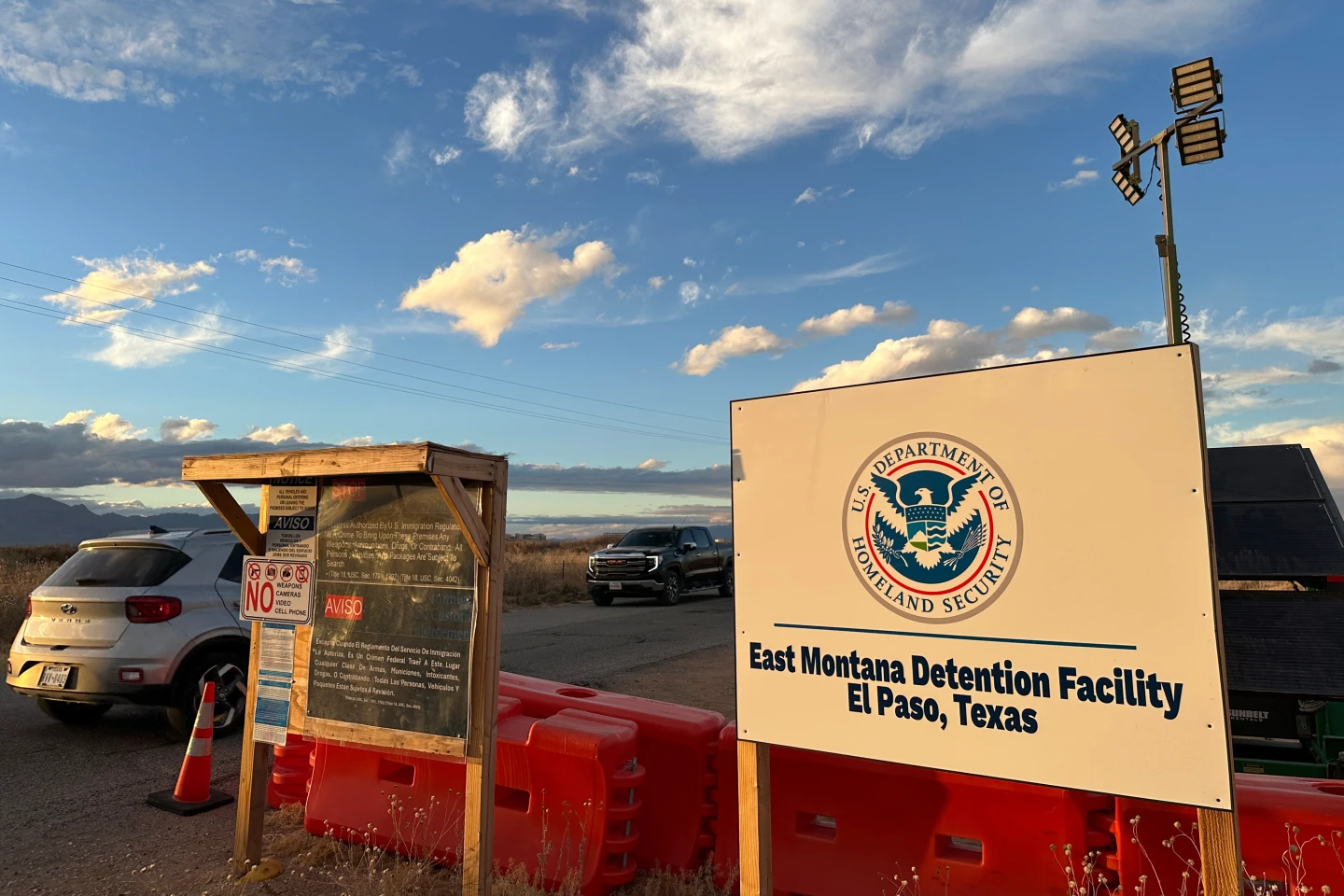
Washington, D.C. - The tragic death of Geraldo Lunas Campos, a Cuban immigrant, within a Texas immigration detention facility has sparked outrage and raised serious concerns about the treatment of detainees in such institutions. The incident, which occurred earlier this month, is currently under investigation, with preliminary findings indicating that Lunas Campos' death may be classified as a homicide resulting from asphyxia due to chest and neck compression.
According to a witness, Lunas Campos was handcuffed and subdued by guards when he lost consciousness. A contradictory narrative from the U.S. Department of Homeland Security (DHS) claims that he attempted to take his life during the altercation, complicating the assessment of responsibility in his death.
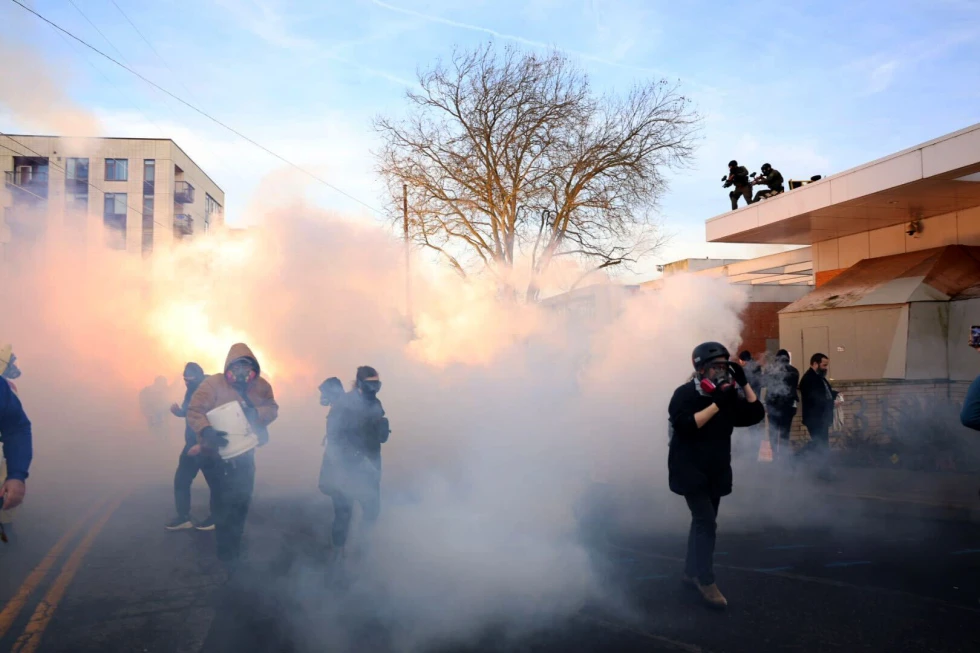
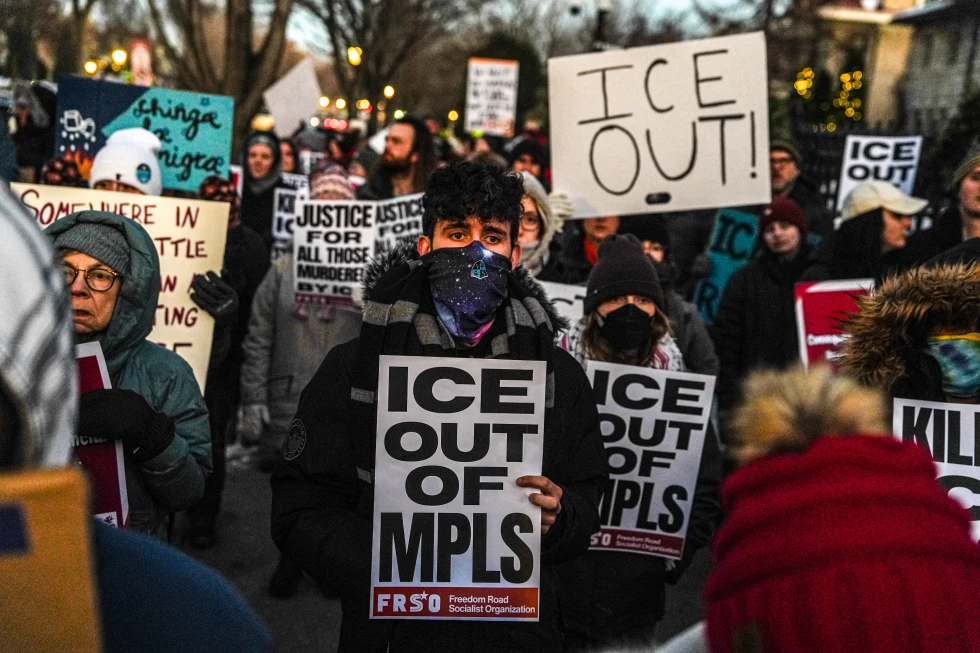
The controversy surrounding the conditions of immigration jails has intensified, particularly as the federal government continues to detain immigrants at increasing rates. Reports of mistreatment and violent encounters have drawn significant public scrutiny, with advocacy groups emphasizing the ongoing issues within these facilities.
Lunas Campos, a 55-year-old father of four, became one of the first detainees sent to the newly constructed Camp Montana East, a facility cited for its questionable operational standards. The company managing the facility reportedly has minimal experience with detention facilities, further compounding concerns about the safety and humanity of its practices.
The disjointed narratives regarding Lunas Campos' last moments have raised alarms among immigrant rights advocates and family members seeking accountability. His mother, Jeanette Pagan-Lopez, expressed her desire for justice and transparency regarding her son’s death amidst the backdrop of systemic issues facing immigrants in detention.
As investigations continue, calls for policy reform and stricter oversight regarding immigrant detention facilities grow more urgent. The situation highlights the need for a careful examination of the practices employed in maintaining safety and security within these institutions, while also respecting the rights and dignity of detainees.