In brief
Karmel Mall in Minneapolis, home to a plethora of Somali businesses, is experiencing a downturn as fears of immigration enforcement discourage customers from shopping. Business owners report unprecedented declines in foot traffic and sales, exacerbated by federal crackdowns. Sellers express concerns that the hostility directed at the Somali community is harming both their livelihoods and the vitality of their community center.
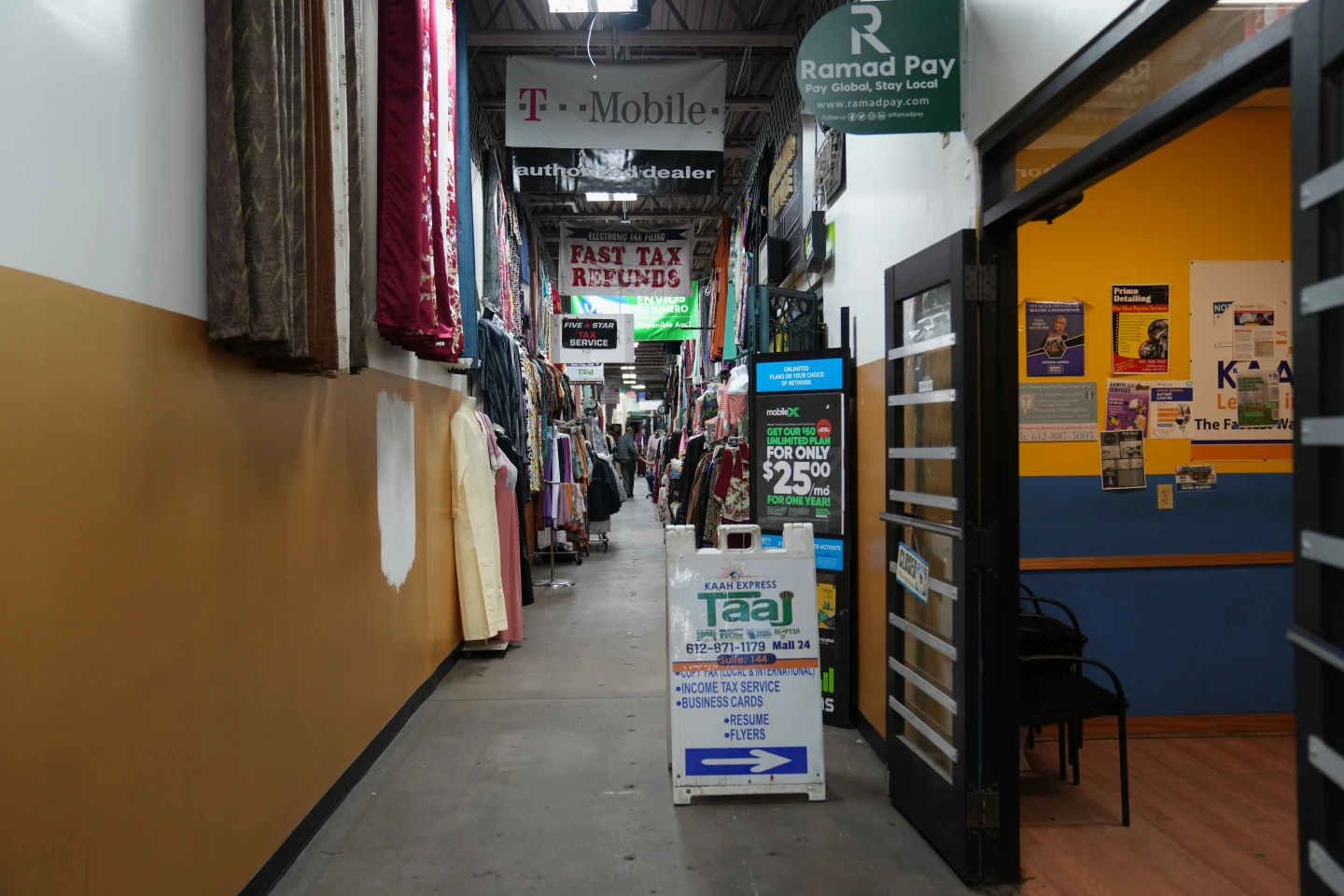
MINNEAPOLIS — A somber atmosphere envelops Karmel Mall in South Minneapolis, a center of Somali business and culture. Rows of shuttered shops and idle vendors paint a stark picture of the impact of a tough immigration crackdown initiated by federal authorities.
The mall is home to over a hundred small businesses selling everything from clothing and food to insurance and accounting services. However, a recent wave of fear surrounding immigration enforcement has led to a chilling effect on customer flow. Many business owners report that they have reduced their hours or stopped coming to the mall altogether, fearing for their safety and that of their customers.
Abdi Wahid, who helps at his family's convenience store, noted the stark difference in the crowd. Before, we had 15 to 20 customers in the afternoon. Now, it’s tough to get even one, he lamented.
This community, which houses the largest population of Somalis in the U.S., depends heavily on the economic activity generated within Karmel Mall. Beyond businesses, the mall also functions as a community center, hosting a mosque and Quran classes. Yet, the ghostly silence that pervades the hallways speaks volumes about the current predicament.
The crackdown, dubbed “Operation Metro Surge” under the Trump administration, aims to curb illegal immigration, but its repercussions have enveloped not just undocumented immigrants but also law-abiding citizens who now fear being misidentified and targeted.
Bashir Garad, who operates Safari Travel & Accounting Services, expressed concerns about his dwindling customer base, attributing this decline to fears over immigration enforcement when traveling. The majority of my clients are U.S. citizens, yet they hesitate to travel due to the current landscape, he said.
Wahid further explained how the environment of fear extends beyond immigrant sellers. Even U.S. citizens are reluctant to shop or work at the mall, worried about being caught up in enforcement actions. The recent incidents targeting the Somali community have further deepened this fear.
This precarious situation has led to economic ramifications across Minneapolis' Somali community. Many businesses, particularly small local shops, are struggling to survive. Electronics seller Ibrahim Dahiye revealed that his business revenue has plummeted by $20,000 monthly, with many of his employees too frightened to come to work. I don’t know what we can do. We believe in Allah, but we can’t do anything, he expressed.
Homeland Security representatives have stated that while immigration status may lead to enforcement actions, they do not target individuals based solely on race or ethnicity. Nevertheless, the Somali community remains transfixed in a climate of uncertainty and trepidation as they navigate these troubling times.