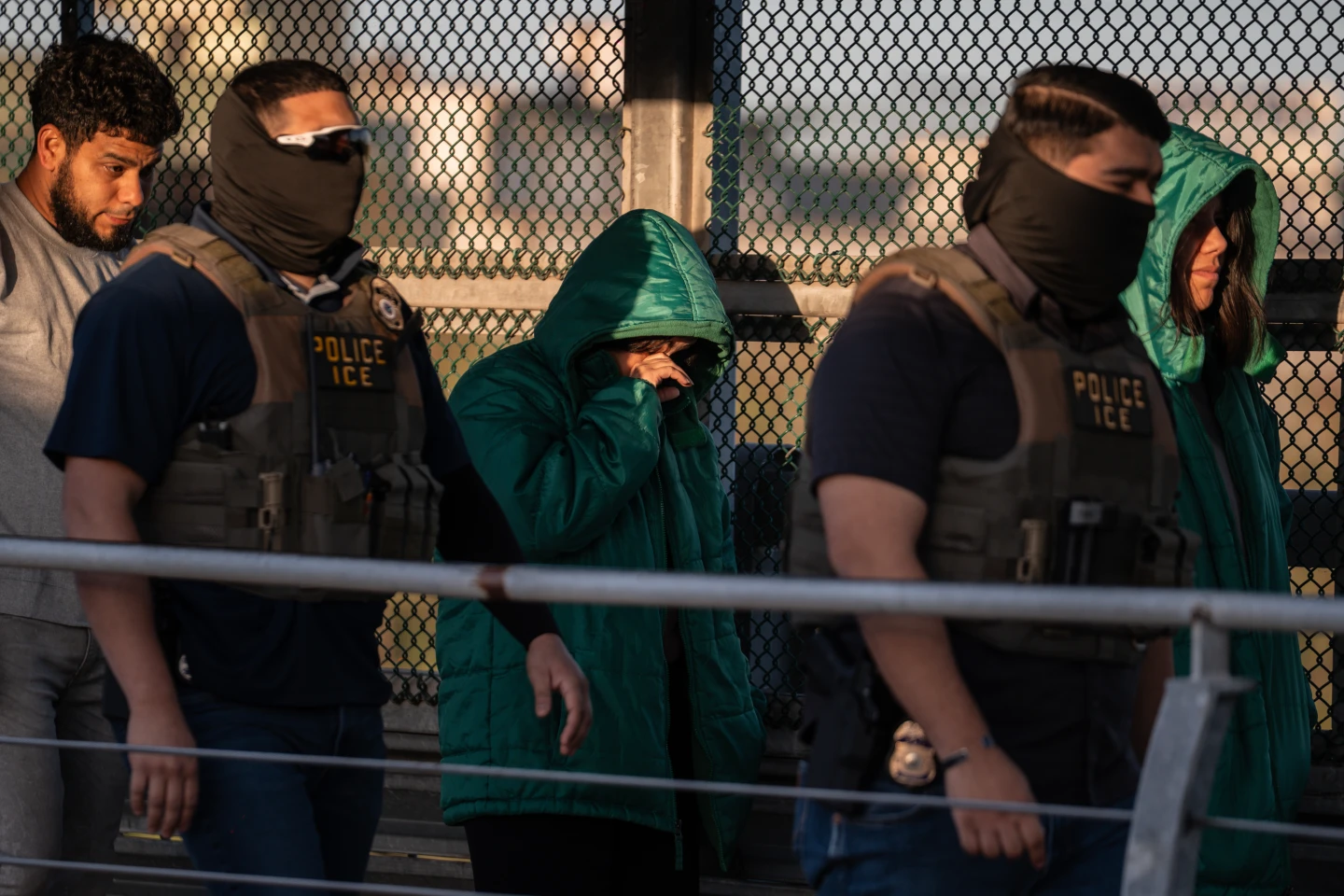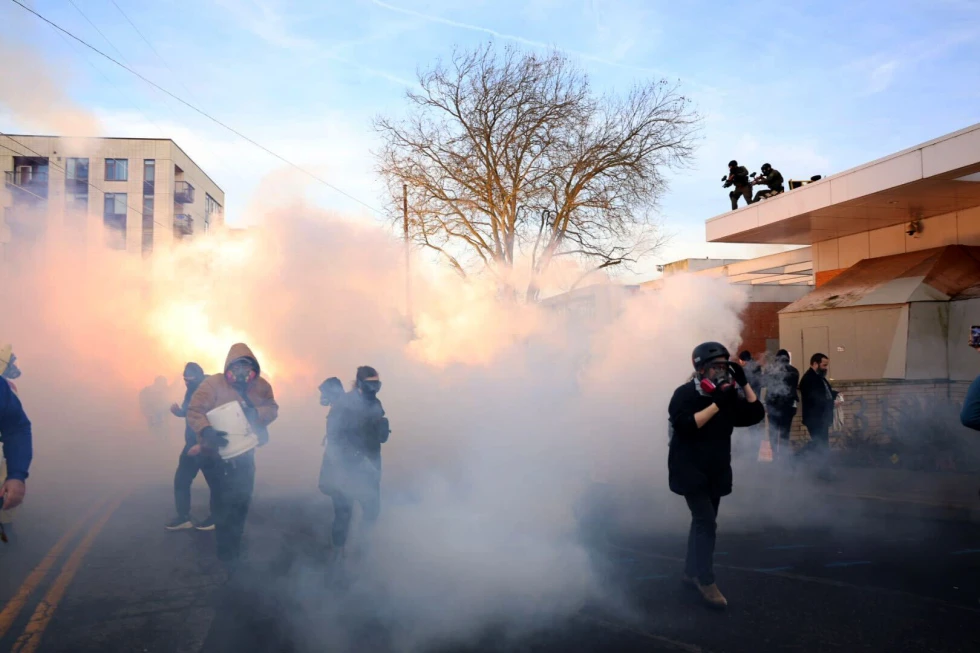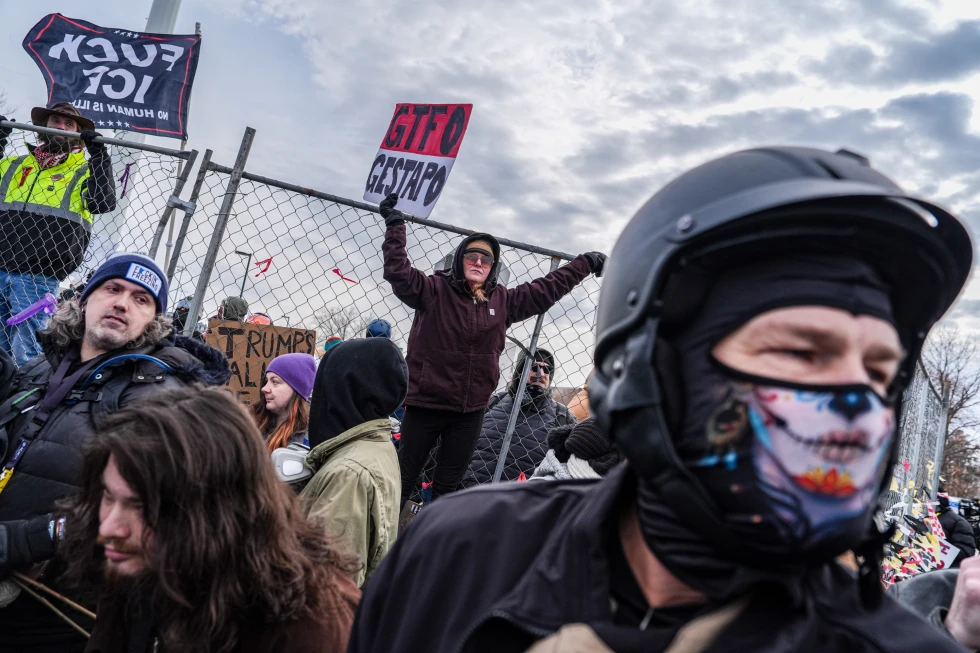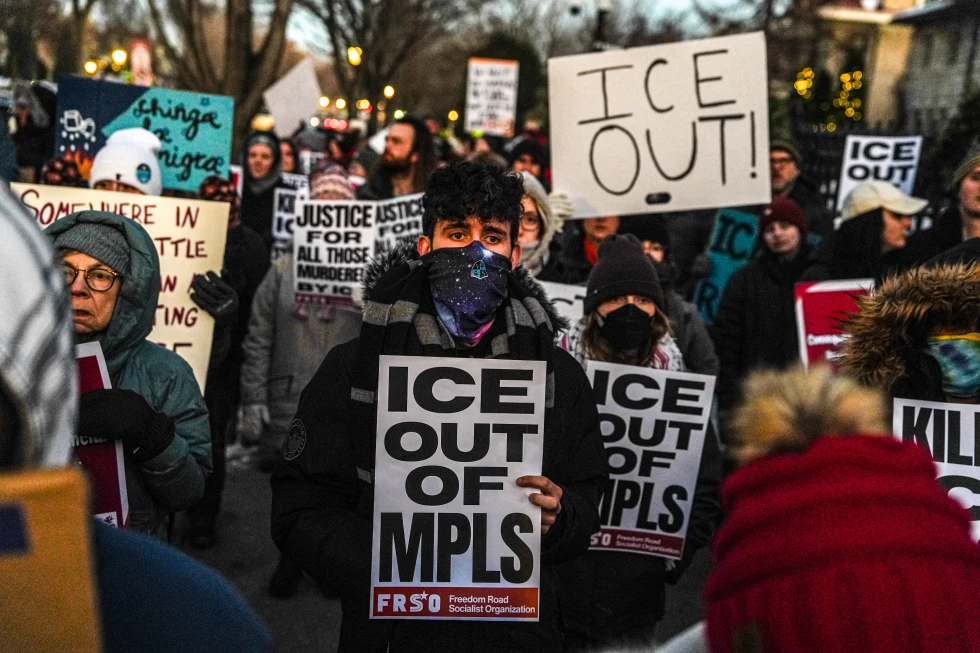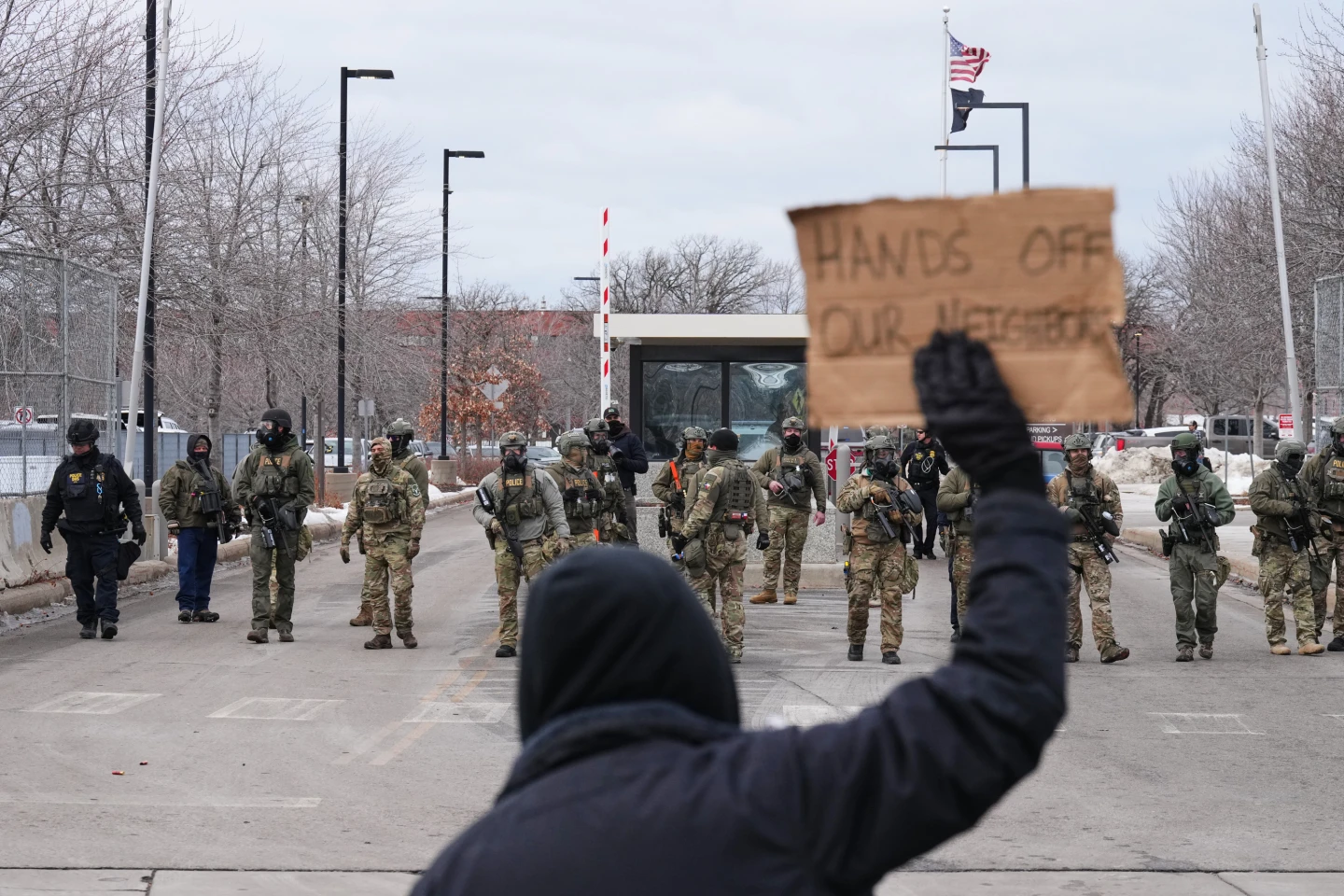
MADISON, Wis. — In the wake of recent violent protests against federal immigration enforcement, Democratic lawmakers across various states are advocating for legislative changes aimed at curbing the powers of Immigration and Customs Enforcement (ICE). Following the tragic shooting of a protester in Minneapolis, state representatives are moving to enact laws that would provide greater protections for residents against federal officers.
For instance, New York Governor Kathy Hochul is proposing a bill that would allow individuals to sue federal agents alleging violations of their constitutional rights, while Oregon plans to introduce similar legislation that permits residents to contest unlawful searches and seizures. In New Jersey, three bills that limit state law enforcement cooperation with federal immigration policies have been passed by the legislature and are awaiting the Governor’s decision.
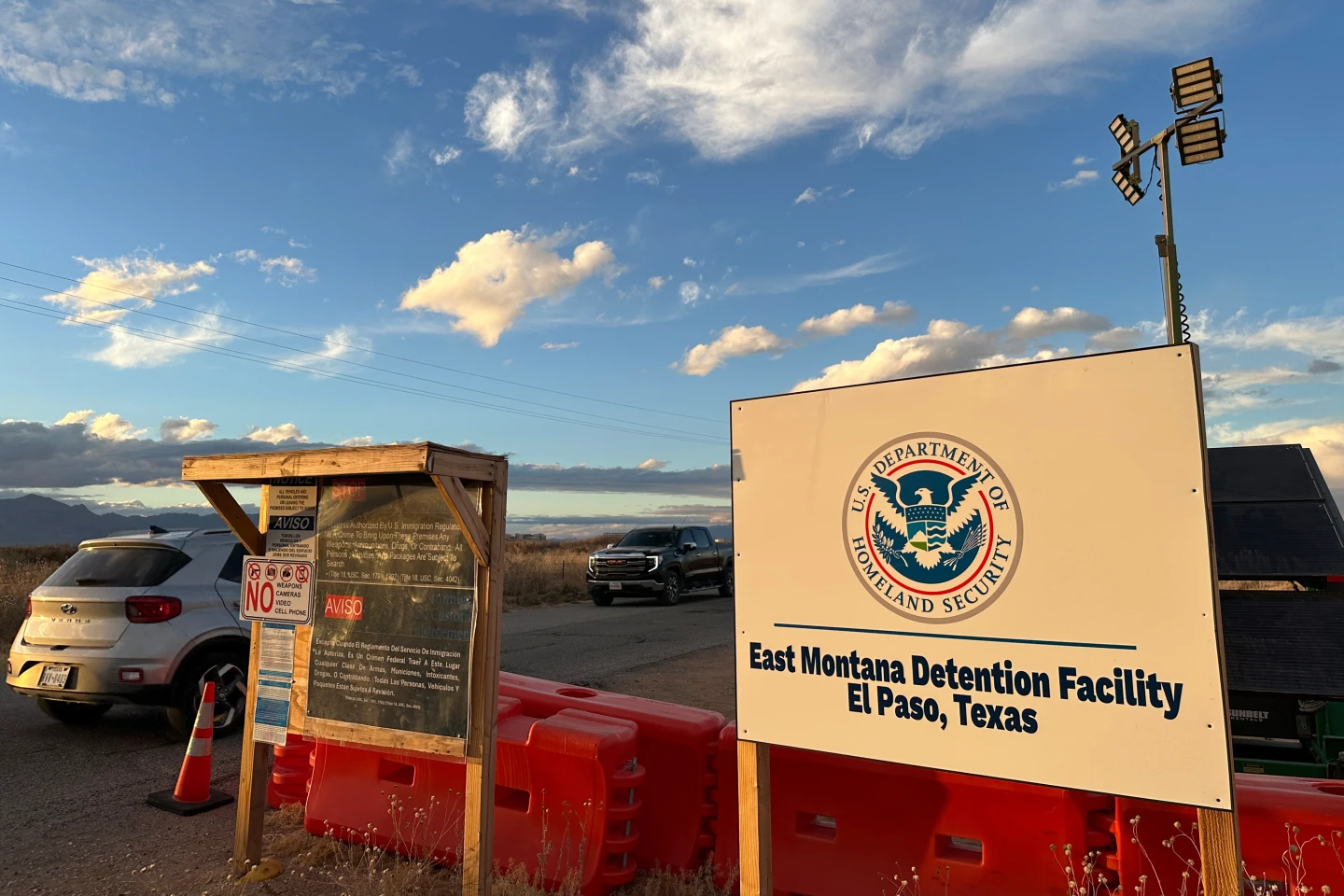
California is also at the forefront of this movement, considering an array of measures that would prohibit local law enforcement from taking secondary jobs with the Department of Homeland Security and imposing legal penalties on ICE officers who make indiscriminate arrests near courthouses.
Despite broad Democratic support, many of these proposals are facing significant pushback from Republican lawmakers, who argue that such measures impair law enforcement's abilities to enforce immigration laws and endanger public safety. State Senator Scott Wiener of California emphasized the importance of accountability in government actions, stating, Where you have government actions with no accountability, that is not true democracy.
Additionally, Democrats in conservative-led states such as Georgia and New Hampshire are attempting to introduce similar legislation without significant hopes of success due to the opposition from Republican-controlled legislatures. Georgia State Senator Sheikh Rahman criticized the Trump administration's aggressive immigration policies, citing their detrimental effects on immigrant communities.
In contrast, the Trump administration has been quick to oppose these legislative measures, filing lawsuits against local governments that adopt “sanctuary” policies that might limit federal agents’ interactions with state or local law enforcement officials. Legal experts note that many of these new laws may face constitutional challenges in court, as the balance of power between federal and state authorities becomes a pivotal issue.
As the political landscape evolves and more states engage in this contentious dialogue, the future of immigration enforcement remains uncertain, potentially leading to increased litigation over the legality of these proposed and enacted measures. With high-stakes political debates unfolding, the implications for immigrant rights and community safety are yet to be fully understood as a more comprehensive immigration reform continues to elude consensus in Congress.