Trump Pursues $87 bn to Sustain Iran War, Facing Congressional Headwinds
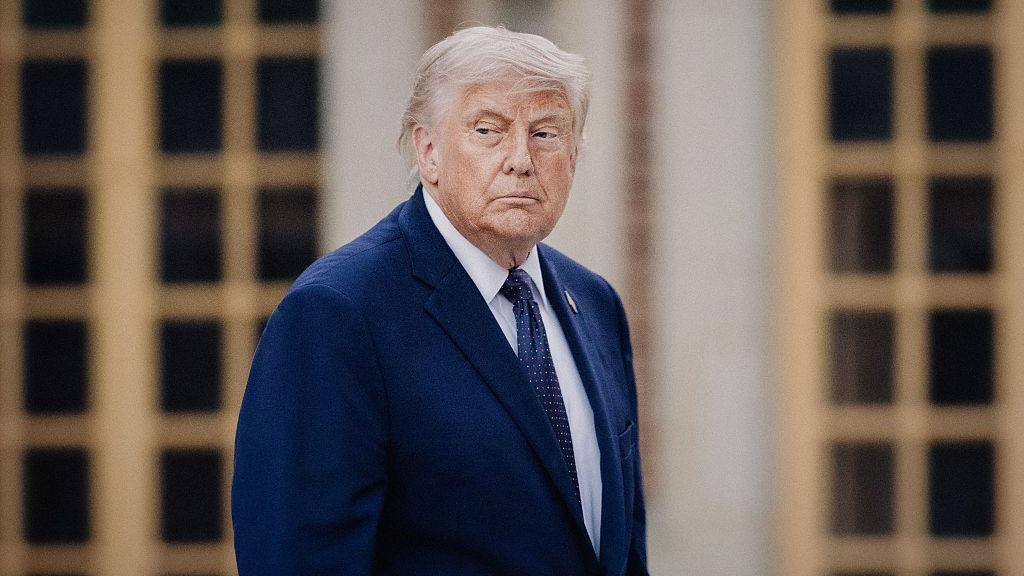
The White House has formally asked Senators and Representatives to approve a staggering $87.6bn (about £66.5bn) in new spending, largely to shore up the United States’ military campaign in Iran. The request was sent by the Office of Management and Budget to House Speaker Mike Johnson on Wednesday and is billed as addressing “urgent needs” tied to Operation Epic Fury.
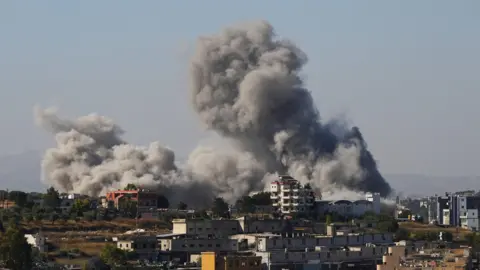
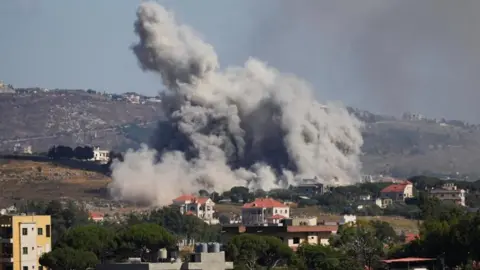
Defense accounts dominate the package: $67bn is earmarked for the Department of Defense, including $21bn for munitions, $17.3bn for operational costs and $12.1bn for classified programs. The administration also seeks $300m for embassy security in the Middle East and South Asia amid recent attacks, reflecting a push to rebuild after strike operations.
Beyond military needs, the budget includes $11bn for U.S. farmers and $1.4bn to help contain an Ebola outbreak in Central Africa—diversifying the outlays that Trump’s administration claims are integral to national security and global public health.
However, the proposal faces steep resistance. Congress recently passed a resolution demanding the president terminate the war in Iran—a first in U.S. history—and senators have voiced scepticism about both the conflict and the approval of “urgent” funds during a period of heightened political scrutiny and a looming November midterm election.
The Ray of the white house’s letter stresses that the request is essential to maintain the Pentagon’s operational readiness and to address urgent security threats. Yet, the overall popularity of the war remains low, adding a political challenge to an already expensive military engagement that has been estimated at $29bn by Pentagon officials and likely higher when considering broader consequences.
With the 2026 midterms approaching, lawmakers will need to balance fiscal prudence with defense imperatives. While the administration pushes for urgency, Congress might see it as an opportunity to reshape US military commitments abroad. The dynamic illustrates how defense funding in a conflict zone can be a lightning rod for political, economic and humanitarian debates, especially when war costs are framed as urgent needs alongside other domestic priorities.