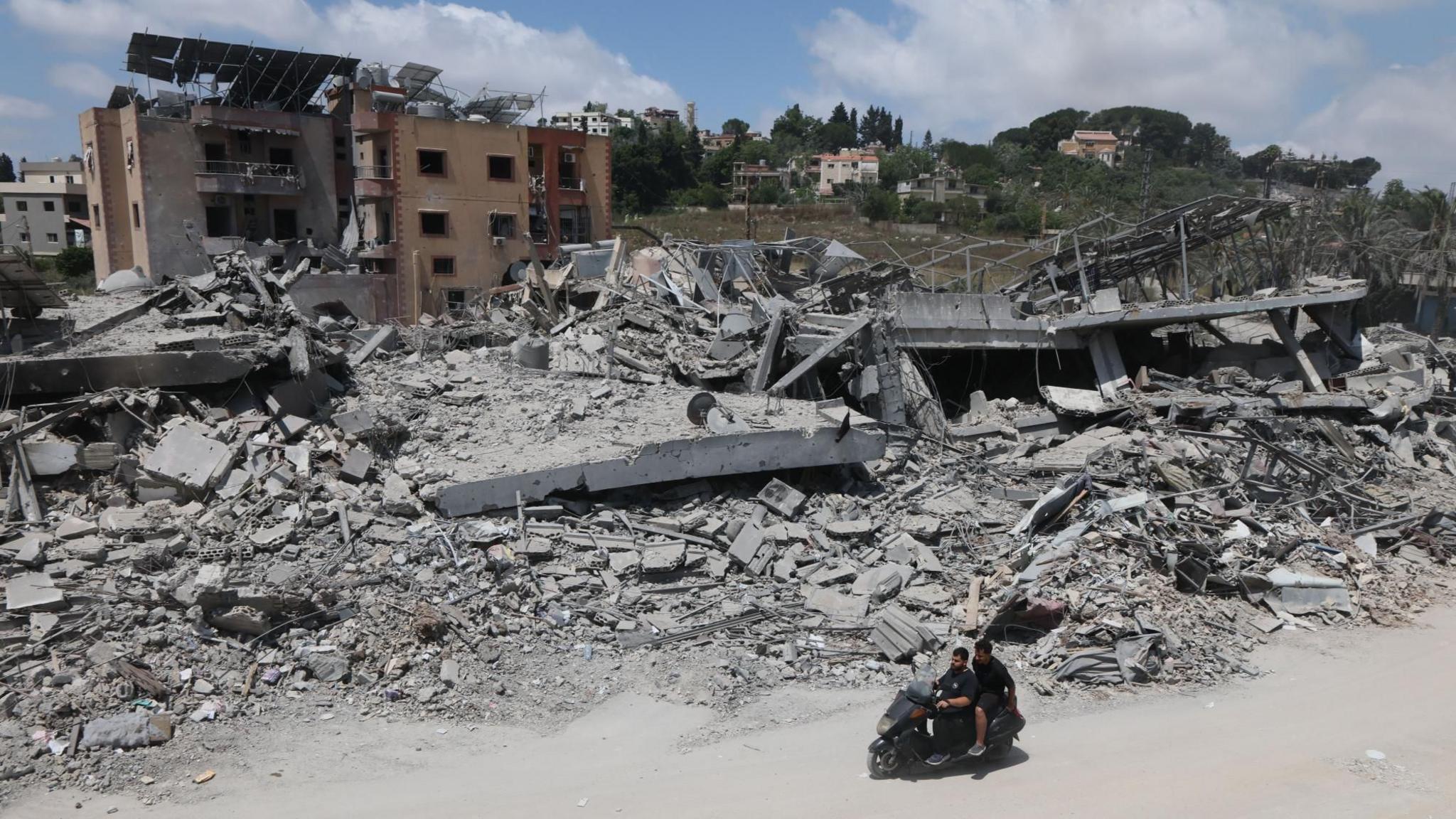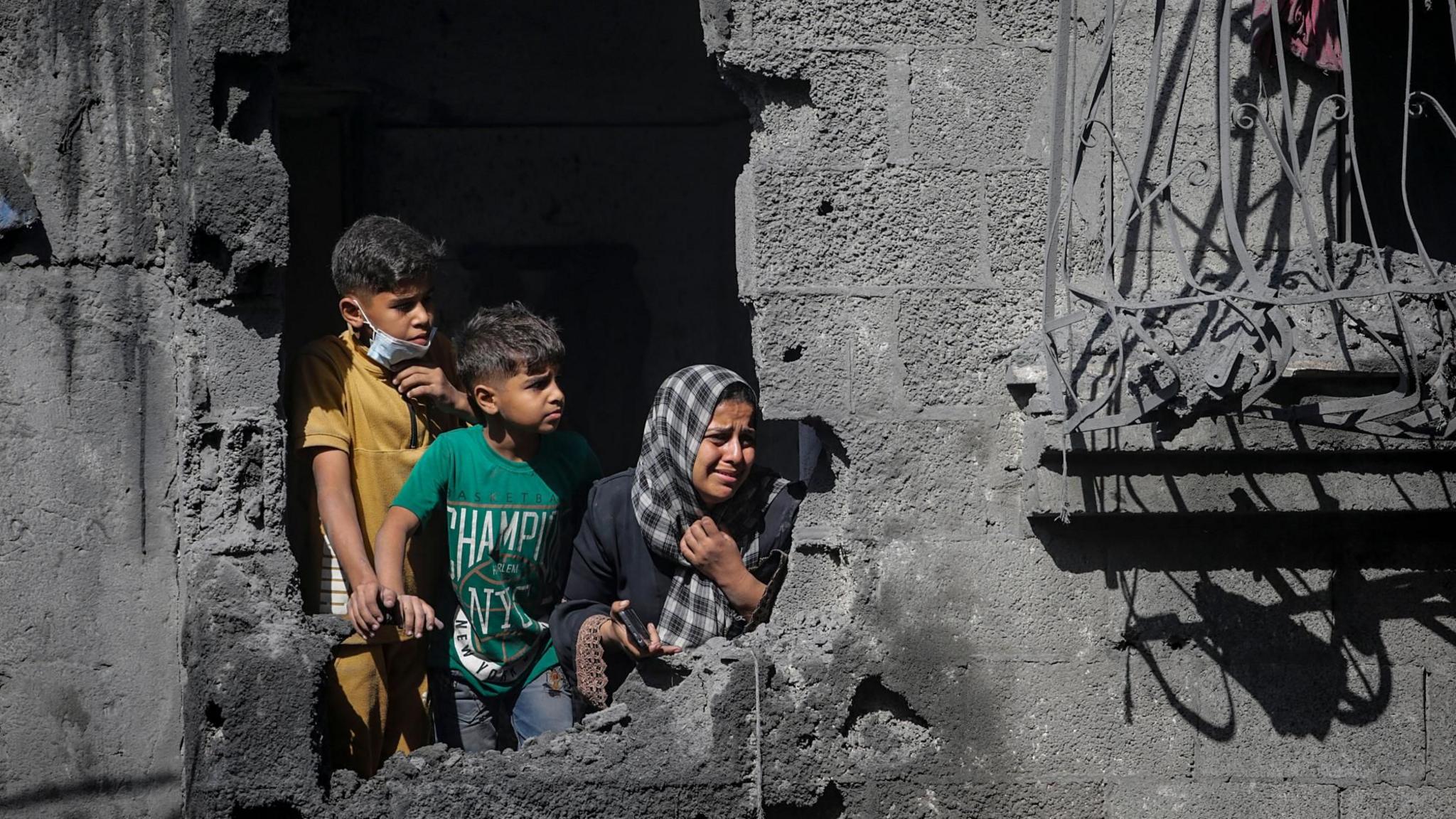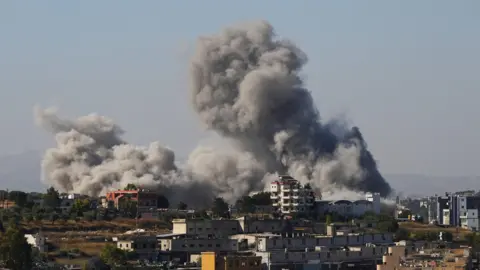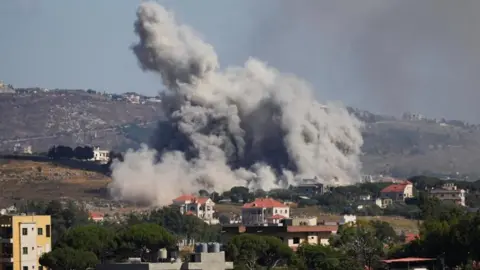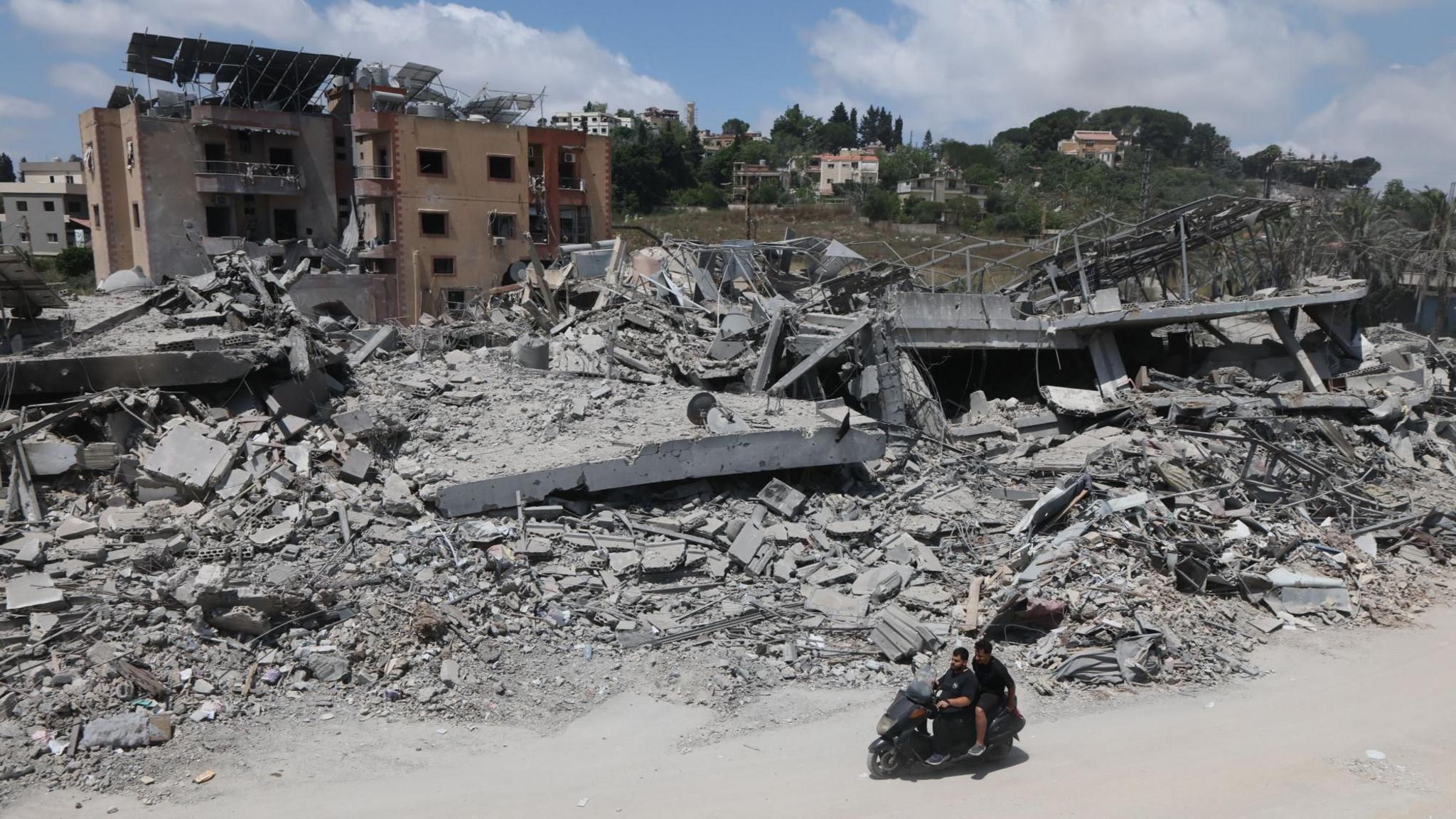
In the northern border region of southern Lebanon, Israeli forces reportedly killed two civilians in a village near Nabatieh al‑Fawqa on Sunday, just days after a cease‑fire was signed. The Lebanese Health Ministry said the victims, Mohammed Amhaz and Sajed al‑Hajj Ali, were standing beside a bulldozer clearing damaged homes when they were shot.
Hezbollah denounced the act as a “blatant violation of the ceasefire,” while Israel claimed it was responding to alleged threats from the Iran‑backed group. The incident underscores the fragile nature of the truce amid a war that has displaced over a million people, damaged infrastructure, and left environmental damage such as polluted water sources and widespread debris across the region.
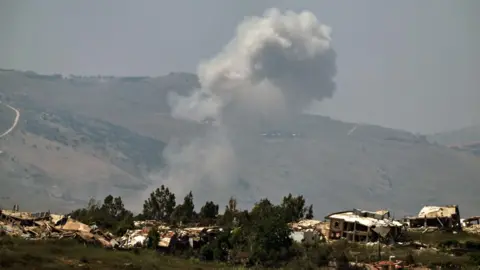
Israeli troops had earlier attempted to seize the Ali al‑Taher ridge, a strategic location believed to house a Hezbollah underground fortress, which led to a series of air strikes that killed 83 civilians and wounded many more. Subsequent clashes, even after the cease‑fire, have resulted in further casualties, including a separate incident where soldiers struck a “cell of armed terrorists” north of the security zone without immediate civilian fatalities.
The conflict remains a source of panic for place‑based communities and threatens the already vulnerable ecosystems of the Bekaa valley and nearby arid zones. As the region continues to grapple with the aftermath of war, the environmental impact—soil erosion, loss of biodiversity, and contamination of water—compounds the humanitarian crisis.