In brief
Japan has increased visa fees for all foreigners from 3,000 yen to 15,000 yen for single entry and from 6,000 yen to 30,000 yen for multi entry, marking the first increase since 1978. The move reflects inflation, a weaker yen and an effort to match fees in other G7 countries. While the government says the change will not immediately curb inbound tourism, the higher cost may deter some visitors and encourage more mindful, low‑carbon travel. With a record 42.7 million international tourists last year, Japan’s tourism sector remains a significant contributor to the local economy and greenhouse gas emissions, highlighting the need for policies that balance visitor numbers with environmental stewardship.
Japan’s 5‑Fold Visa Fee Increase: What It Means for Travelers and the Planet
From July 1, Japan will charge 15,000 yen for single‑entry visas and 30,000 yen for multi‑entry visas, up from the previous 3,000 and 6,000 yen respectively. This is the first adjustment since 1978, driven by inflation, a weaker yen, and a desire to bring fees in line with other G7 economies.
Foreign Minister Toshimitsu Motegi said the increase ‘does not immediately affect inbound tourism’ and reminded visitors that the yen has trended downwards for several years. Nonetheless, the hike is likely to influence travel decisions, especially for budget‑sensitive tourists.
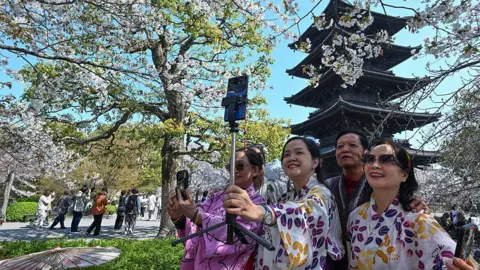
Japan welcomed 42.7 million international visitors last year, a record that bolstered the local economy but also added to the country’s carbon footprint. As tourism rebounds post‑pandemic, the elevated cost might nudge travelers toward more sustainable choices, such as longer stays per visit, offsetting emissions, or using public transport.
In May, Japan’s Upper House approved additional fee increases for permanent residency and other foreign‑related services, with charges up to 300,000 yen for permanent residency and 100,000 yen for status changes, reflecting a broader effort to match global standards.
Comparing to other G7 nations, the U.S. charges $185 to $315 for non‑immigrant visas, and the U.K. charges £135 for a short‑term visitor visa. The Japanese policy shift may reduce the competitive gap, but it also increases financial barriers for certain travelers.
The relationship between tourism cost and environmental impact is complex. Higher visa fees can filter out visitors who are less mindful about sustainability, potentially reducing the per‑capita carbon intensity of tourism. Conversely, sustained high visitor numbers may sustain economic growth that funds environmental initiatives in Japan, such as low‑emission transport projects and nature conservation programmes.
Image © Getty Images