In brief
From 1 July, Japan raises single‑entry visa fees from 3,000 to 15,000 yen and multi‑entry from 6,000 to 30,000 yen, the largest hike since 1978. The move, aimed at reflecting inflation, a weakening yen and aligning with G7 rates, is unlikely to drastically affect inbound numbers immediately but could influence the country’s tourism‑related carbon footprint. Additional fee increases for residency applications and status changes also aim to bring Japan’s administrative costs in line with peer economies.
Japan raises visa fees by five times
Starting 1 July, Japan implements a five‑fold increase in visa fees for all foreigners. Single‑entry visas will now cost 15,000 yen ($93.30) instead of 3,000 yen, while multi‑entry visas jump from 6,000 to 30,000 yen.
Why the hike? Foreign Minister Toshimitsu Motegi said the change reflects inflation, exchange‑rate volatility and a desire to align Japan’s visa costs with those of other G7 nations.
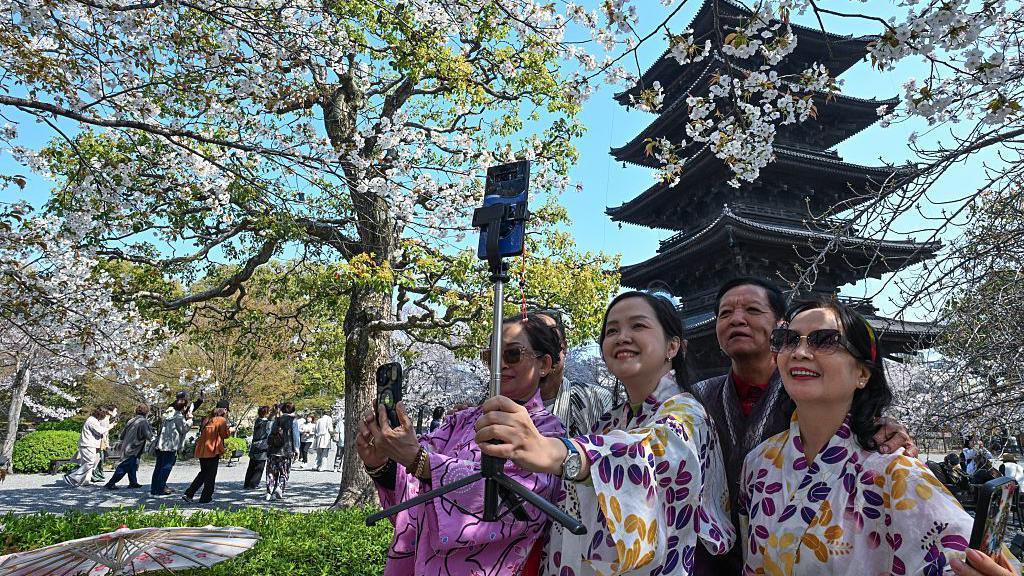
The yen’s declining value—has hovered near a 40‑year low—has made foreign travel cheaper for international visitors, contributing to a post‑pandemic rebound that saw 42.7 million tourists last year.
Other fee revisions came in May when Japan’s Upper House raised the statutory cap for permanent‑residency applications to 300,000 yen from 10,000, and increased costs to change status or extend a stay to 100,000 yen.
Proponents argue these adjustments bring Japan’s administrative costs closer to the U.S. and U.K., where non‑immigrant visa fees range from $185 to $315 and a UK standard visa costs £135.
Environmental angle—a potential outcome of higher costs could be a modest drop in tourist arrivals, thereby reducing the carbon burden of travel, accommodation and transport linked to Japan’s tourism sector. While authorities say the immediate impact on tourism is unlikely, a long‑term shift could help mitigate the country’s environmental footprint.
Image by Getty Images