In brief
The Long Island Rail Road (LIRR), which serves New York’s eastern suburbs, has halted operations due to a strike by unionized workers seeking better wages amidst record inflation. The shutdown affects over 250,000 daily commuters and coincides with major sporting events, raising concerns about alternatives for travel and potential impacts on the economy - especially as the region grapples with increased traffic and limited shuttle services. Governor Hochul urges remote work where possible as the MTA and unions remain at an impasse over contract negotiations.
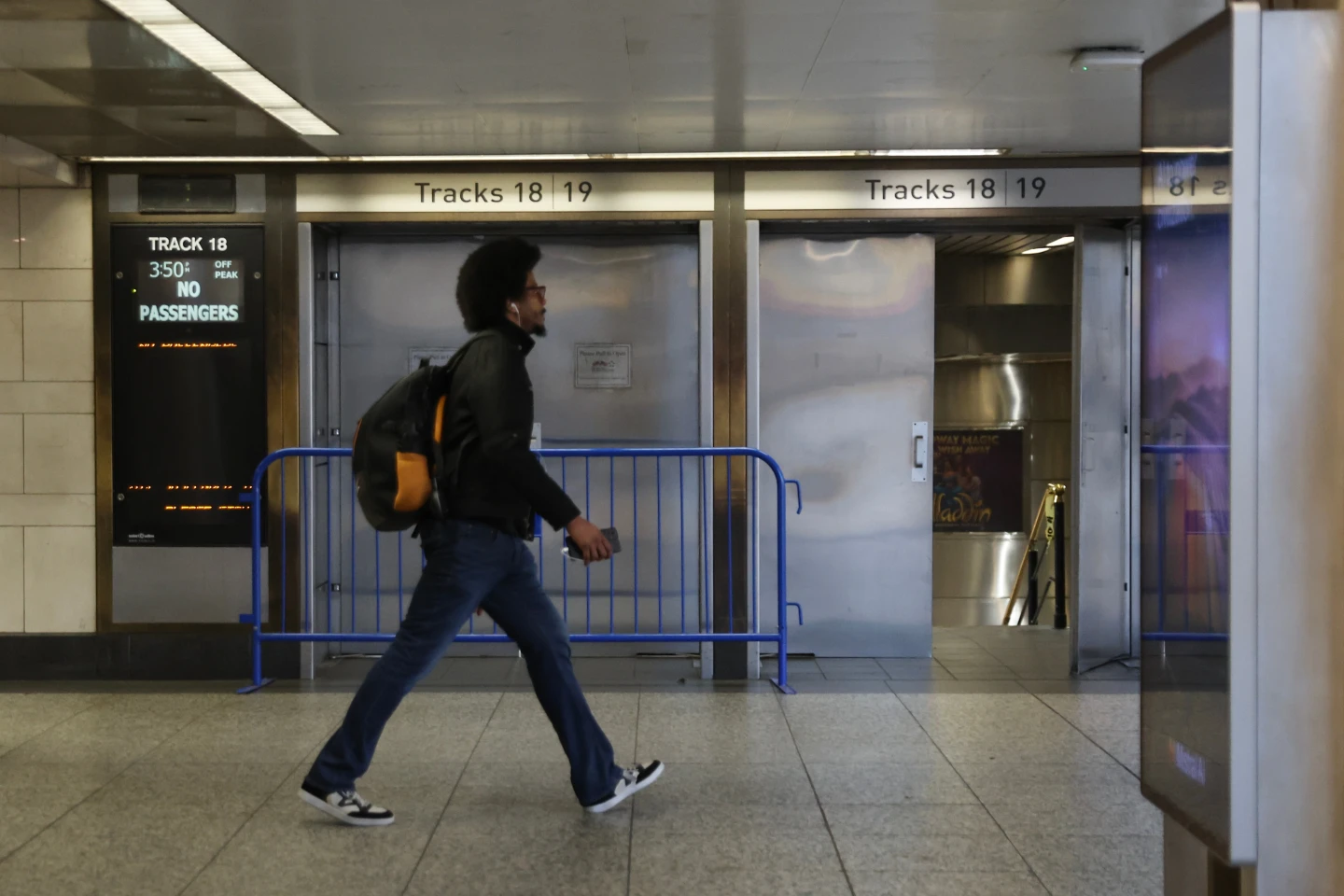
NEW YORK — The Long Island Rail Road (LIRR), the largest commuter rail system in North America, has ceased operations as of Saturday morning following strikes by unionized workers in the New York City area. Five unions, representing approximately half of the workforce, walked off the job after contract negotiations reached a standstill, prompting calls for fair wages amidst rising inflation and living costs.Kevin Sexton, National Vice President of the Brotherhood of Locomotive Engineers and Trainmen, expressed regret about the situation, stating, We’re far apart at this point. We are truly sorry that we are in this situation.” Meanwhile, MTA Chairman Janno Lieber contended that the agency had fulfilled the unions' wage demands, suggesting that workers had always intended to strike.This strike is particularly noteworthy as it marks the first labor action by LIRR since a two-day strike in 1994 and is poised to significantly impact local commuters. Many sports fans planning to see games featuring the Yankees, Mets, and Knicks might find it especially difficult to reach their destinations as the LIRR offers direct service to these venues.If the strike persists beyond the weekend, the LIRR's roughly 250,000 weekday riders will have to seek alternative routes to NYC. Gov. Kathy Hochul is advising Long Islanders to consider remote work options, while the MTA will provide limited shuttle buses to subway stations in the city—an initiative not designed to handle the volume of riders typically carried. The unions argue that their demands reflect the economic pressures workers have faced, citing that their contract has been overdue for three years. Union member Duane O’Connor voiced concerns about the economic implications of the strike, stating, This is going to hurt... All we are asking for is fair wages. There is growing worry among riders as well; some fear that the cost of wage increases could translate into fare hikes, further exacerbating the burden of living costs on commuters. With Governor Hochul facing reelection later this year, the pressure to negotiate and resolve this impasse is mounting. Labor relations expert William Dwyer noted, If there’s a significant fare hike, that does not bode well for her on Election Day. The standstill highlights ongoing challenges in balancing fair compensation for workers while managing cost efficiencies for the transit system.