Japan’s Defence Overhaul: From Pacifism to Multi‑Layered Deterrence
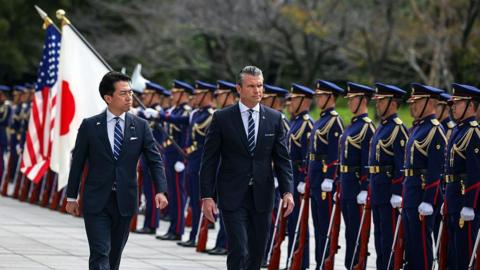
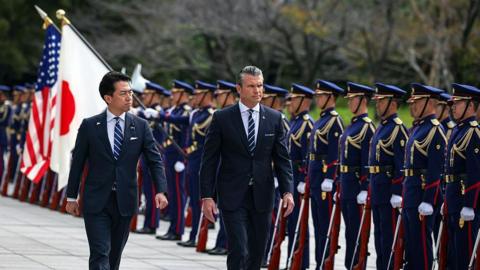
Japan’s defence minister, Shinjiro Koizumi, told the BBC that the country must strengthen its forces, rebuilding a post‑war defence stance that has been defined by pacifism and Article 9 of the Constitution.
The cabinet has now relaxed old arms‑export rules, allowing the sale or transfer of lethal weapons to 17 partner states, ranging from the United States and United Kingdom to Australia, Indonesia and the Philippines. Koizumi said the goal is “multi‑layered deterrence” that prevents a new war in the Indo‑Pacific.
Japan’s security equation is under strain from the rise of China’s navy and the continued nuclear tests of North Korea. A recent White Paper lists China’s military expansion as the “greatest strategic challenge” and presses Japan to keep its Self‑Defence Forces ready for conflicts that could spill over onto the Senkaku/Diaoyu islands.
Prime Minister Sanae Takaichi’s administration has pushed for a revision of Article 9 and increased defence spending to 2 % of GDP, a doubling of the post‑war benchmark. Koizumi said a public referendum would decide the constituent change, emphasizing that the decision remains with the Japanese people.
The new budget will fund modern nan‑and‑drones, surface‑to‑ship missiles and high‑tech systems that could position Japan as a competitive defence manufacturer. The Centre for Strategic and International Studies notes that sovereign defence companies will be key to this transformation.
Against the backdrop of the US‑Japan security alliance and global burden‑sharing debates, Japan seeks to maintain “independent” contributions to regional stability while staying firmly inside its constitutional limits.