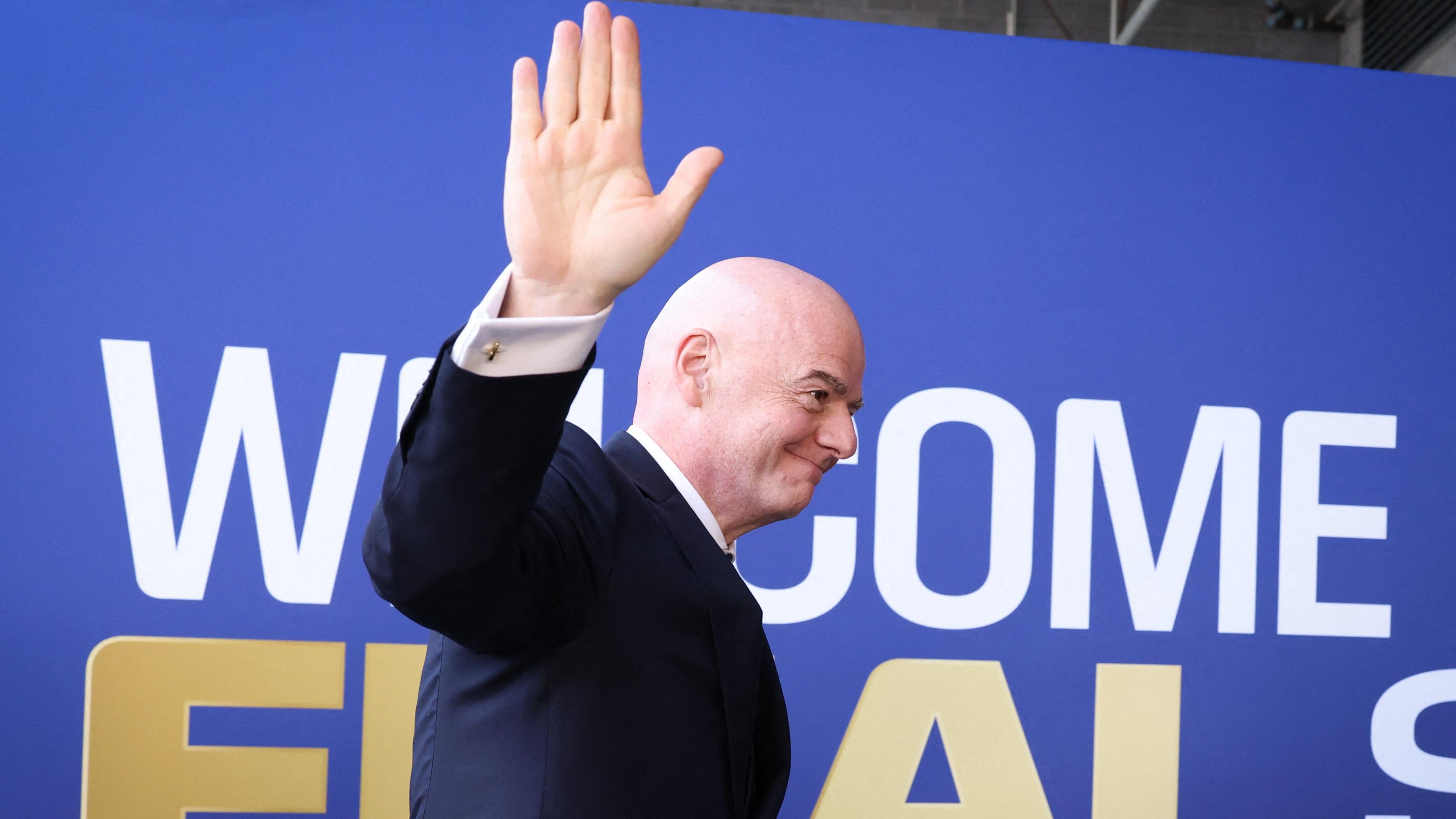
FIFA’s executive decisions have never been made louder than when its president, Gianni Infantino, travelled across the United States in a private jet, suggesting his presence at many world‑cup events. Yet the recent scrapping of a high‑profile investment plan has clashed with the priorities of big powers in football governance, forcing questions about whether he will keep his seat.
Infantino’s leadership has been tested by backlash from the United Kingdom, from UEFA, Concacaf, and the AFC – each afraid that the new financial scheme could undermine national‑association autonomy. Concacaf’s President, Victor Montagliani, asserted that FIFA’s internal procedures were “fundamentally flawed” and that “decision making should be more transparent.” The AFC’s Sheikh Salman Al‑Khalifa echoed that sentiment, flagging “deficiencies in consultation” that could lead to costly missteps if the president–guided agenda proceeds unchanged.
While a few observers strike confidence that Infantino will still secure a full term, others note that a massive backlash could very quickly erode the support networks that kept him in office for six years. Former FIFA vice‑president Jim Boyce told reporters that the president “represents a different era of football complexity” and may be sidelined if substantive reforms are not embraced.
Who could replace Infantino if a leadership change occurs? The most likely candidates, each with their own background in football politics, enjoy varying levels of legitimacy across the global football community:
- • Victor Montagliani – a former Canadian Soccer president who has been championing governance reform since 2016 and consistently moved to enhance the owner‑feedback cycle at regional and club levels.
- • Sheikh Salman Al‑Khalifa – the AFC’s long‑standing president, equally comfortable with expanding continental tournaments and building second‑tier Leagues and Women’s Champions Leagues.
- • Nasser Al‑Khelaifi – the French‑Qatari president of Paris Saint‑Germain who has navigated a controversial European Super League collapse and re‑branded the European Football Clubs Association into a global network of 800 clubs.
- • Mattias Grafström – the FIFA secretary general, woke to the need for bilingual diplomacy and now faces the tricky task of appeasing a host of global confederations.
The next presidential decision will be declared at the 77th FIFA Congress in Morocco next March. Candidates have until 18 November to announce their candidacy, giving them a short window to capture the support of the 211 national associations, coaches, and players that hold the cosmic balance of the sport.
As FIFA’s governing body faces growing uncertainty, the multi‑sport media’s eyes remain glued to the unfolding drama – a delicate dance of politics, financial ambition, and global sporting ambivalence.