In brief
The European Union has granted preliminary approval for a €90 billion loan to Ukraine, an essential financial lifeline that follows the resumption of oil pumping through the Druzhba pipeline into Hungary and Slovakia. This move resolves previous deadlocks exacerbated by political tensions and is part of a broader package to bolster Ukraine's defense and economy. With Hungary's political landscape changing, the EU's actions are timely in demonstrating solidarity with Ukraine against ongoing challenges.
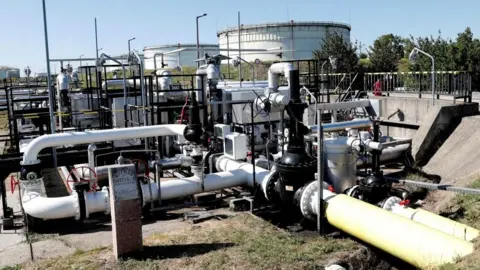
Ukraine has resumed pumping Russian oil through the Druzhba pipeline into Hungary and Slovakia, effectively concluding months of deadlock over a €90 billion loan considered vital for EU support for Kyiv.
Shortly after, EU ambassadors meeting in Brussels provided preliminary approval for the loan and a 20th package of sanctions against Russia. The loan is anticipated to be finalized this Thursday.
Although the funding was agreed in December, Hungarian Prime Minister Viktor Orbán had previously vetoed the payment in February after Ukraine indicated that damage from a Russian attack had halted oil supplies.
Ukrainian sources confirmed to both Hungary and Slovakia that oil pumping had resumed, coinciding with EU discussions regarding the loan.
Orbán had insisted on the resumption of oil flows before approving the loan, which transpired following the completion of repairs on Tuesday.
The recent electoral defeat of Orbán has altered the political dynamics, leading to a more favorable environment for EU negotiations, as the newly elected leader, Péter Magyar, aims to improve Hungary's strained relations with Brussels.
Ukraine really needs this loan and it's also a sign that Russia cannot outlast Ukraine, stated EU foreign policy chief Kaja Kallas prior to the ambassadors' meeting.
The EU funding is dubbed by Ukrainian Deputy Prime Minister Taras Kachka as a matter of life and death for the nation, with two-thirds earmarked for defense reinforcement and the remainder for broader financial aid.
Slovak Economy Minister Denisa Sakova noted that oil pressurization had commenced, and crude oil is set to start flowing into Slovakia, marking the first supply since January 27.
Hungarian firm Mol anticipates receiving the initial oil supplies by Thursday.
Orbán had previously accused Ukraine of creating an oil blockade against Hungary and Slovakia, framing the political narrative during the recent election campaign.
The situation illustrates the intricate interdependencies between energy supply and geopolitical relations, particularly in the context of the ongoing war in Ukraine and EU-Russia dynamics.