South Africa’s President Secures Court-Ordered Pause on Impeachment Probe Over Farmcash Scandal
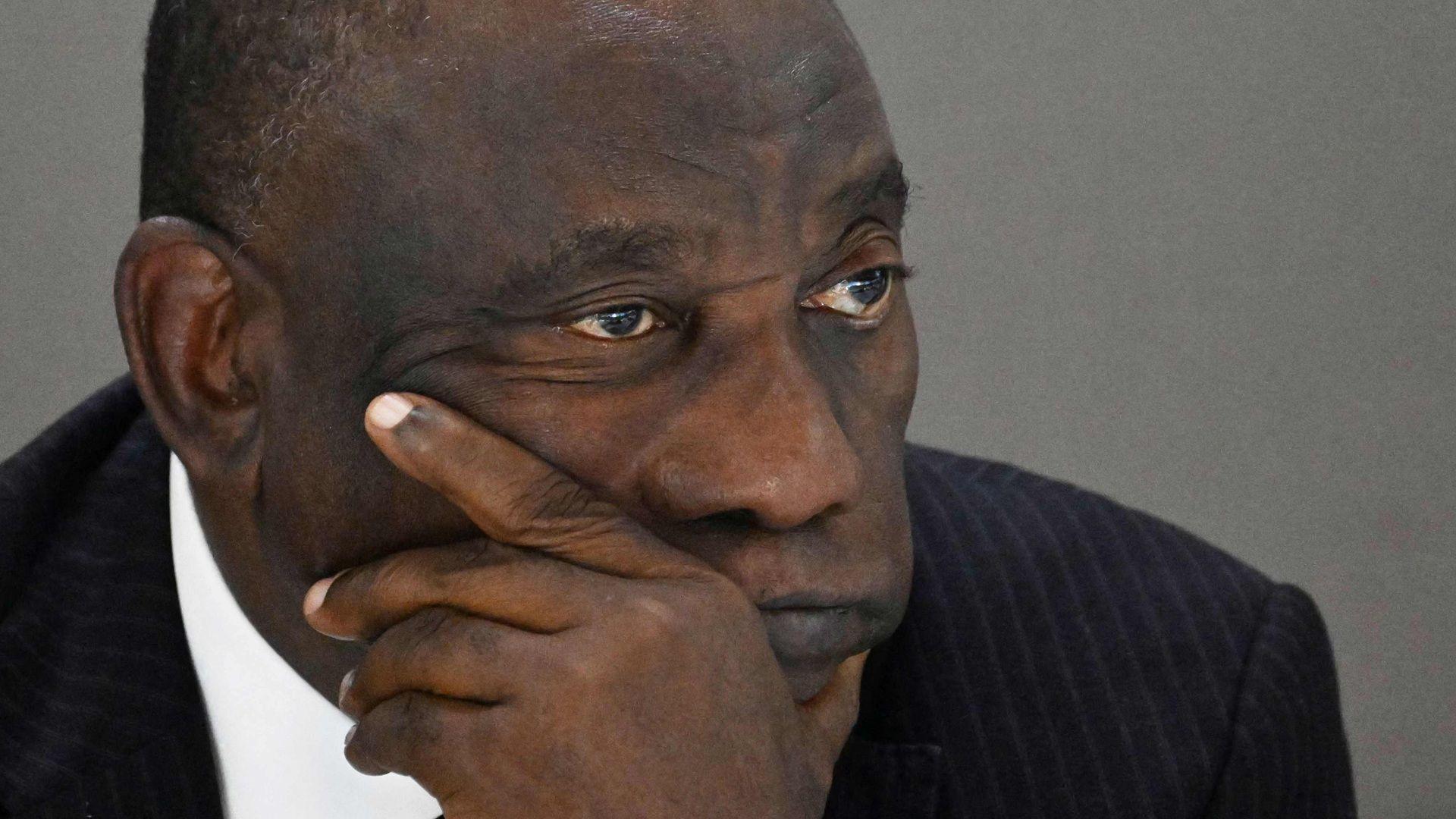
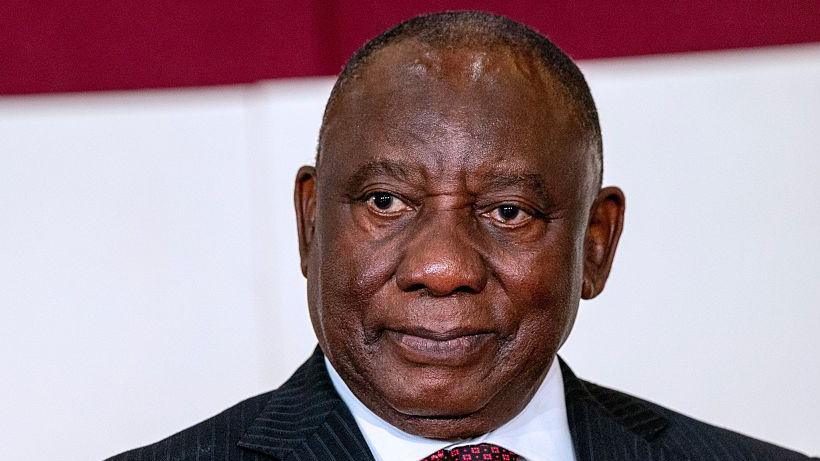
A constitutional court has granted President Cyril Ramaphosa an interim injunction that stops a parliamentary committee from moving ahead with its impeachment inquiry, which was triggered by the 2020 "Farmgate" cash‑looting scandal.
In 2020, a robbery on the president’s private Phala Phala farm in Limpopo Province resulted in thieves taking over US$580,000 (approximately £430,000) that had been hidden inside a sofa. The theft, which only came to light in 2022 through an independent report, raised questions about whether the president had concealed the loss from authorities.
The report put Ramaphosa in a legal bind, prompting the National Assembly to refuse to set up an impeachment committee in May, citing the earlier Constitutional Court ruling that the panel’s findings had been ignored unlawfully. The court’s decision, however, paved the way for a formal inquiry.
In a separate case that is now set to be heard in September, Ramaphosa’s team argues that proceeding with the inquiry without first hearing the president’s appeal will cause irreparable reputational harm. The Western Cape High Court judge announced a temporary halt, effectively pausing the committee’s work until the court can decide on the president’s appeal.
The ruling has been welcomed by the ANC, which sees it as protection against politically motivated proceedings. In contrast, the Democratic Alliance and uMkhonto weSizwe—both opposition parties—deemed the injunction a strategic move to stall the investigation and called on parliament to resume its work.
The outcome also highlights the fragility of South Africa’s parliamentary balance. Following the 2024 election, the ANC no longer holds a majority and now governs as a coalition partner, making every procedural step a high‑stakes political battle.
For the global community, the case underscores how governance crises can spill over into broader policy arenas, including environmental and climate initiatives. Strong, transparent accountability mechanisms are essential to maintain public trust and ensure that climate policy commitments are upheld, especially in times of political uncertainty.