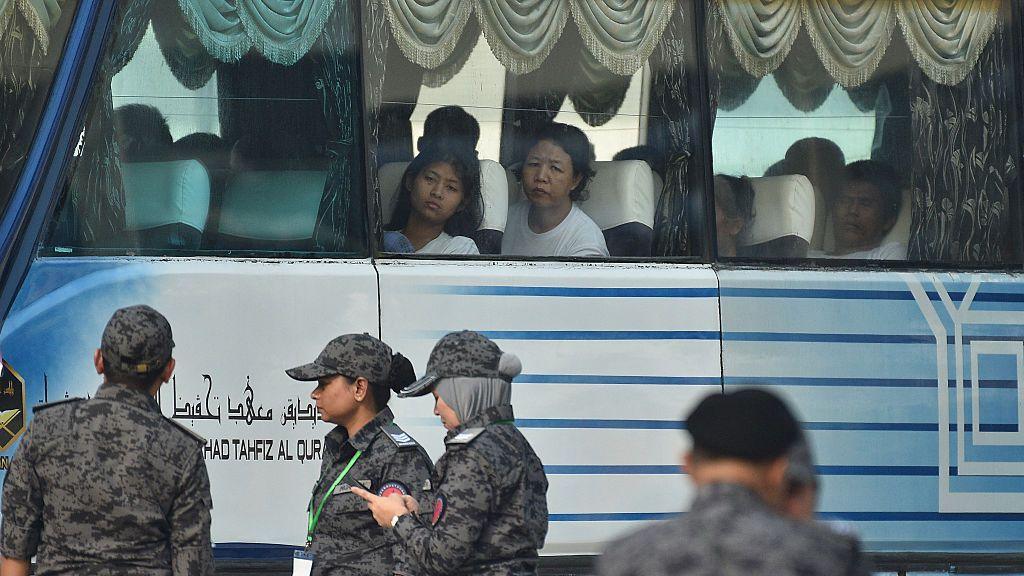
On Tuesday, three ships from the Myanmar navy departed from Malaysia carrying the first 1,476 returnees in a deal that the Malaysian government says is voluntary. The move is the start of a controversial repatriation programme that will see around 5,000 asylum‑seekers by the end of the year.
Human‑rights organisations immediately slammed the initiative, warning that many of the returnees—most of whom are Rohingya Muslims—could face violence, forced conscription and persecution following the Myanmar military’s brutal crackdown. The repatriated refugees have been held in Malaysian detention centres, and the United Nations refugee agency (UNHCR) has been barred from seeing or screening them.
A Shift in Sentiment and Policy
For years Malaysians were sympathetic to the Rohingya, a large ethnic‑Muslim minority seeking refuge from violence in Myanmar. However, the COVID‑19 pandemic slammed the nation’s economy, fueling resentment that magnified on social media. Accusations of illegal fishing, “land‑grabbing” and poor sanitation claims spread online, catalysing petitions that amassed hundreds of thousands of signatures demanding the expulsion of Rohingya residents.
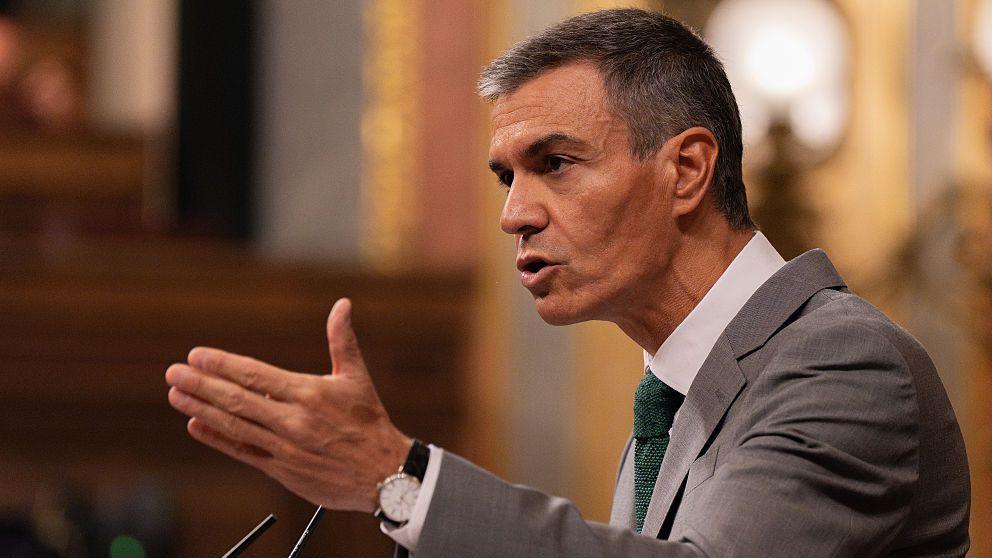
Prime Minister Anwar Ibrahim, who once championed human‑rights causes, has now framing the repatriation as a response to “public hostility” towards the Rohingya population. Yet his decision has alienated former allies and the party that once supported him, placing him under immense political pressure.
Uncertainty of Safe Return
The practicality of safely sending Rohingya refugees back to Myanmar is dubious. Many lack valid citizenship documents, can only travel within the contested Rakhine State, and face ongoing artillery fire by the Arakan Army. Even the state capital, Sittwe, is besieged and cut off, with refugees overcrowded in food‑and‑medicine‑short camps.
The lack of clear safeguards and humanitarian oversight has prompted call‑outs from both domestic and international actors. “We all want refugees to return safely and choose to go home, not because we are forced,” said Rohingya advocate Nur Sadek.
Climate Refugee Context
This repatriation occurs against a backdrop of mounting climate‑related displacement worldwide. Sea‑level rise, extreme weather and resource scarcity are increasingly driving people toward borders and conflicts. Border regions—like the Malaysian‑Myanmar frontier—are especially vulnerable to unsustainable settlement practices that can degrade local ecosystems.
Experts argue that any migration policy must be aligned with climate resilience. Planned resettlement should incorporate ecological footprints, renewable‑energy infrastructure and protective governance that not only safeguards migrants’ rights but also preserves the environmental integrity of host and origin territories.
The Rohingya repatriation may become a touchstone for future climate‑refugee negotiations, illustrating the perils of abrupt policy shifts without cross‑border cooperation or consideration of humanitarian and environmental stakes.