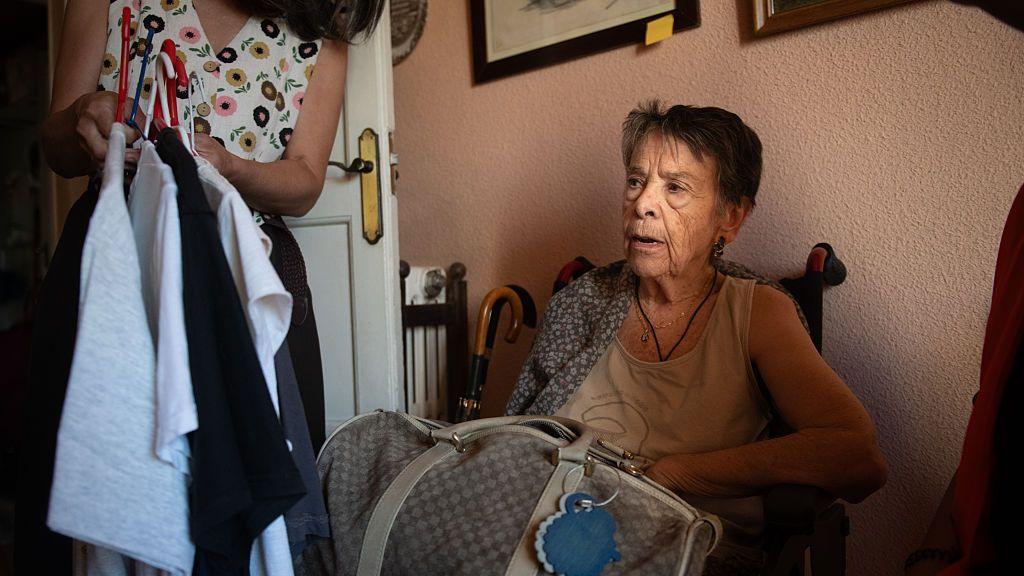
An 87‑year‑old pensioner in Madrid, Maricarmen Abascal, died after being forcibly removed from her home, sparking a nationwide protest movement against Spain’s spiralling housing costs.
Abascal’s flat, rented for over seven decades, saw its rent jump from €500 a month to €2,650 when the property company acquired it in 2018. No matter how much the company later offered to reduce the rate, the cost still exceeded her pension.
She was carried to hospital on a stretcher on 23 September. While in the ward, she sent a video from her bed, saying she could not defend her home but had fought to give others a chance.
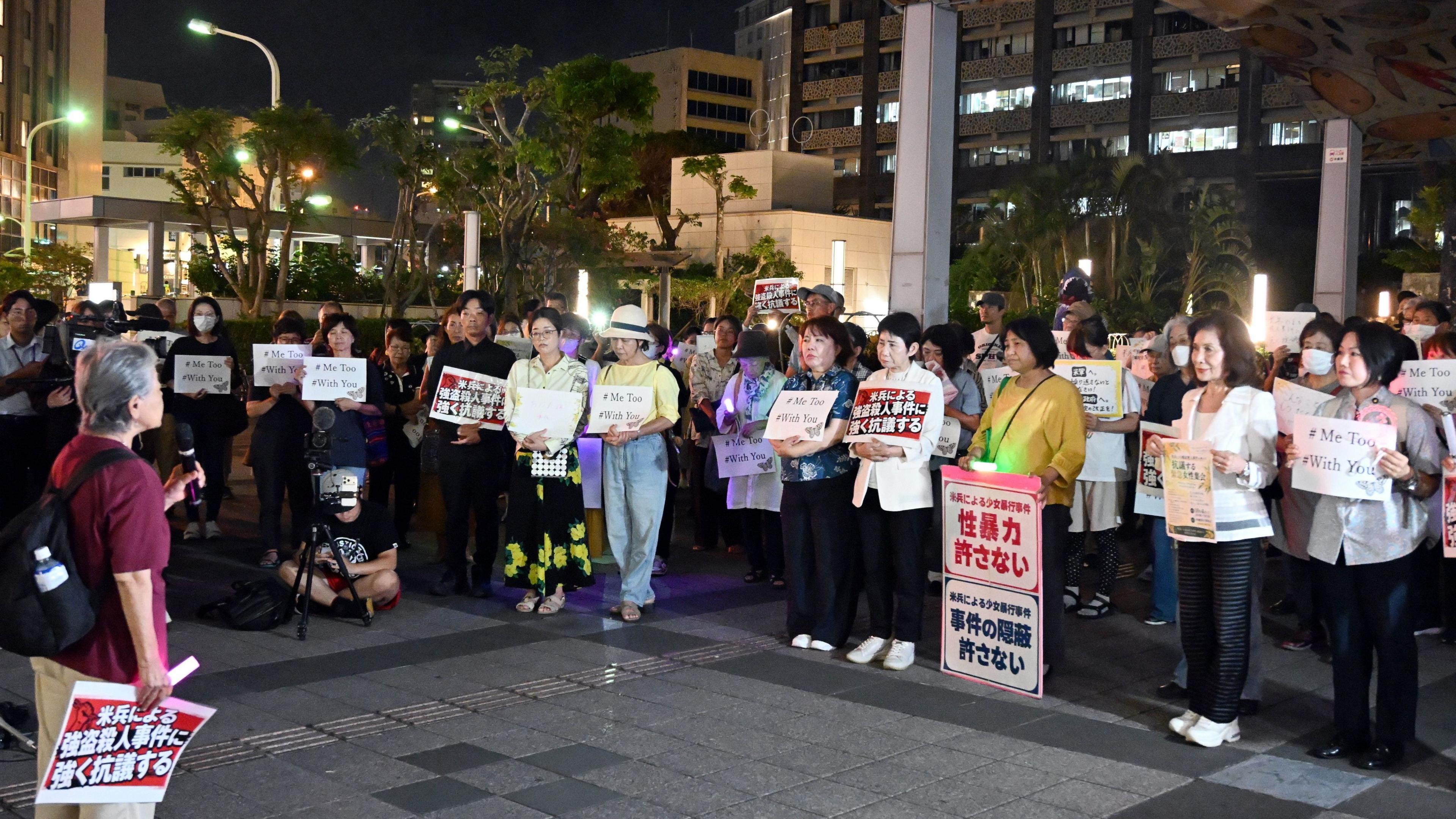
The eviction triggered protests that swelled to millions across Spain. Demonstrators in Madrid’s Puerta del Sol lit candles, sang chants, and called for a ‘broader progressive majority’ that could overcome elite resistance to housing reform.
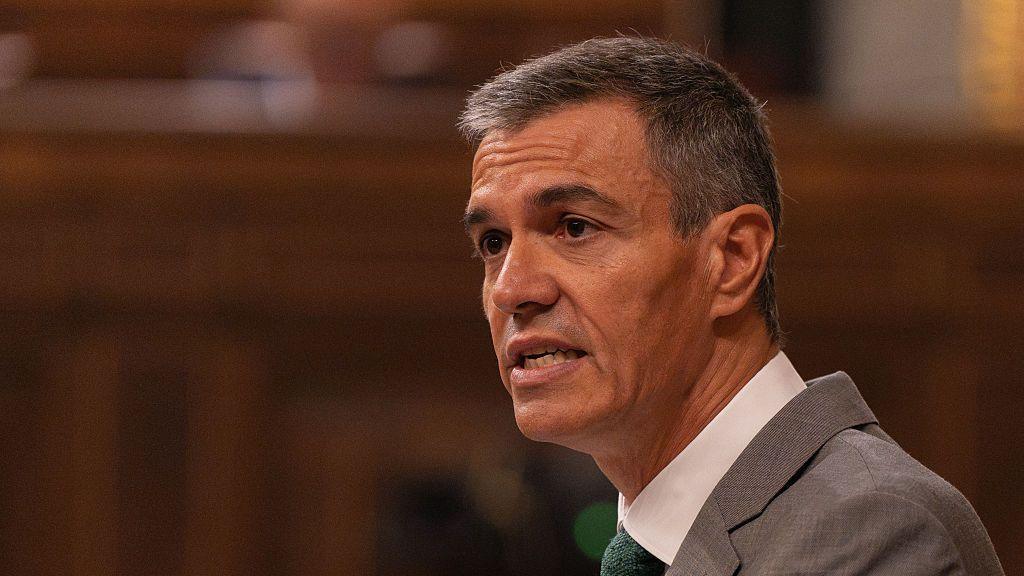
The protests forced Prime Minister Pedro Sánchez to abandon plans for an emergency decree and call snap elections for 29 November. The crisis showed how inadequate housing policies can become a national emergency.
From a climate perspective, the episode illustrates a broader need for resilient, retrofit‑friendly housing that can keep costs low while reducing energy demand. Moving toward net‑zero, affordable homes can protect vulnerable residents and curb carbon emissions.
Civil‑society groups say the death of a single person will not be forgotten: ‘Her memory lives on and we will fight even harder’. The calls for change now echo the plea that housing and climate solutions must go hand in hand.