GAO Audit Finds Doge’s $110bn Savings Claims Flawed, Threatening Climate Funding
The Government Accountability Office (GAO) released a report Thursday that calls into question the accuracy of Doge’s publicly touted savings of $110bn – or £82bn – across federal contracts, grants and leases.
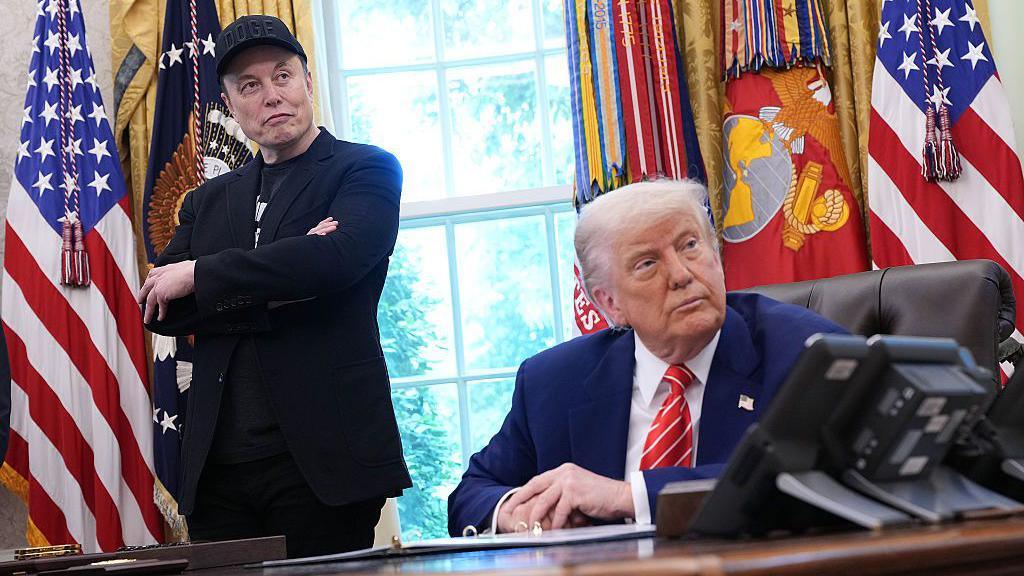
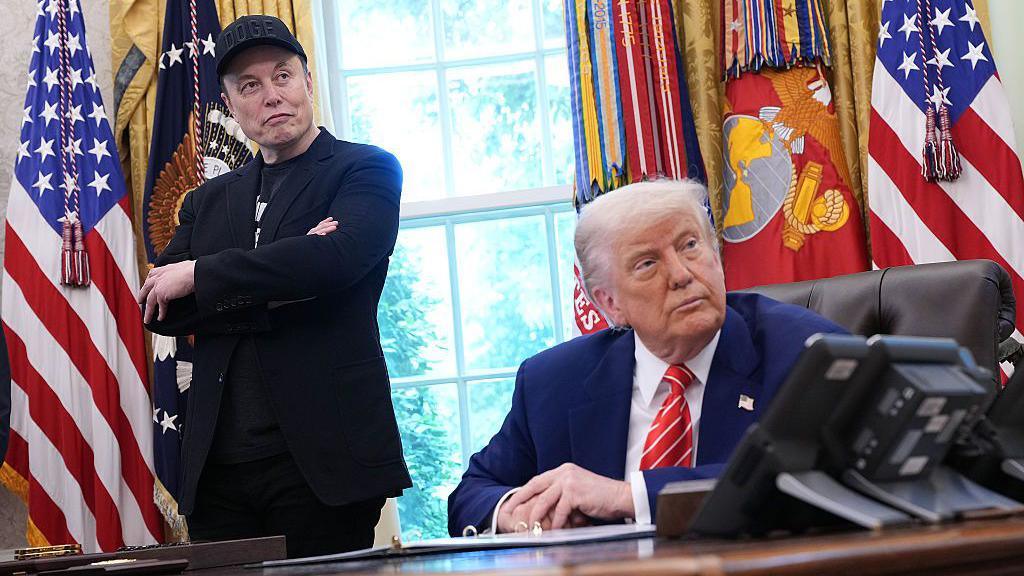
Dog, a task force launched under President Trump's second term and led by Elon Musk, promised to slash federal jobs and programs to free up taxpayer dollars for “somewhat sustainable” initiatives. However, the GAO found that 96% of those reported savings lacked verifiable calculation methods, and a significant share had already been scheduled to end before Doge’s establishment.
The audit highlighted that 108 of 264 leases Doge claimed to terminate were already in process of ending, accounting for only $15.3m of the claimed $53.5m in savings. Additionally, a $1.7bn savings claim from a defense IT contract was proven false as the contract was never terminated.
Senators Gary Peters and Richard Blumenthal, who requested the audit, warned that such “slapdash” reporting “misled the American people while doing real damage to the government's ability to serve them.” The report expressed concerns that misallocation of resources could detract from climate and environmental programs that rely on steady federal budgets.
Despite the closure of Doge last month, the group’s rhetoric about drastic cuts resonated with federal agencies. Critics argue that the gains, if any, could jeopardize funding for climate research, counter‑measures for climate‑related disasters, and international climate commitments.
“Good stewardship of taxpayer dollars and accountable government are not temporary initiatives,” Doge declared in its final press release. Yet, the GAO’s findings suggest that accountability was absent, raising red flags for how climate and environmental projects are financed in times of fiscal pressure.