In brief
The Trump administration plans to stop the Pentagon’s security assistance to the Iraqi Kurdistan Peshmerga, a crucial partner in defeating ISIS. This move follows a surge in Iranian drone and missile strikes against Kurdish territories. Experts warn that a funding halt could create a power vacuum, allowing Iran, China and Russia to assert control and undermine fragile climate‑adaptation initiatives. The Kurdistan region, rich in renewable energy projects, faces heightened security and environmental vulnerability. The article explores the broader implications for regional stability, energy security, and climate resilience.
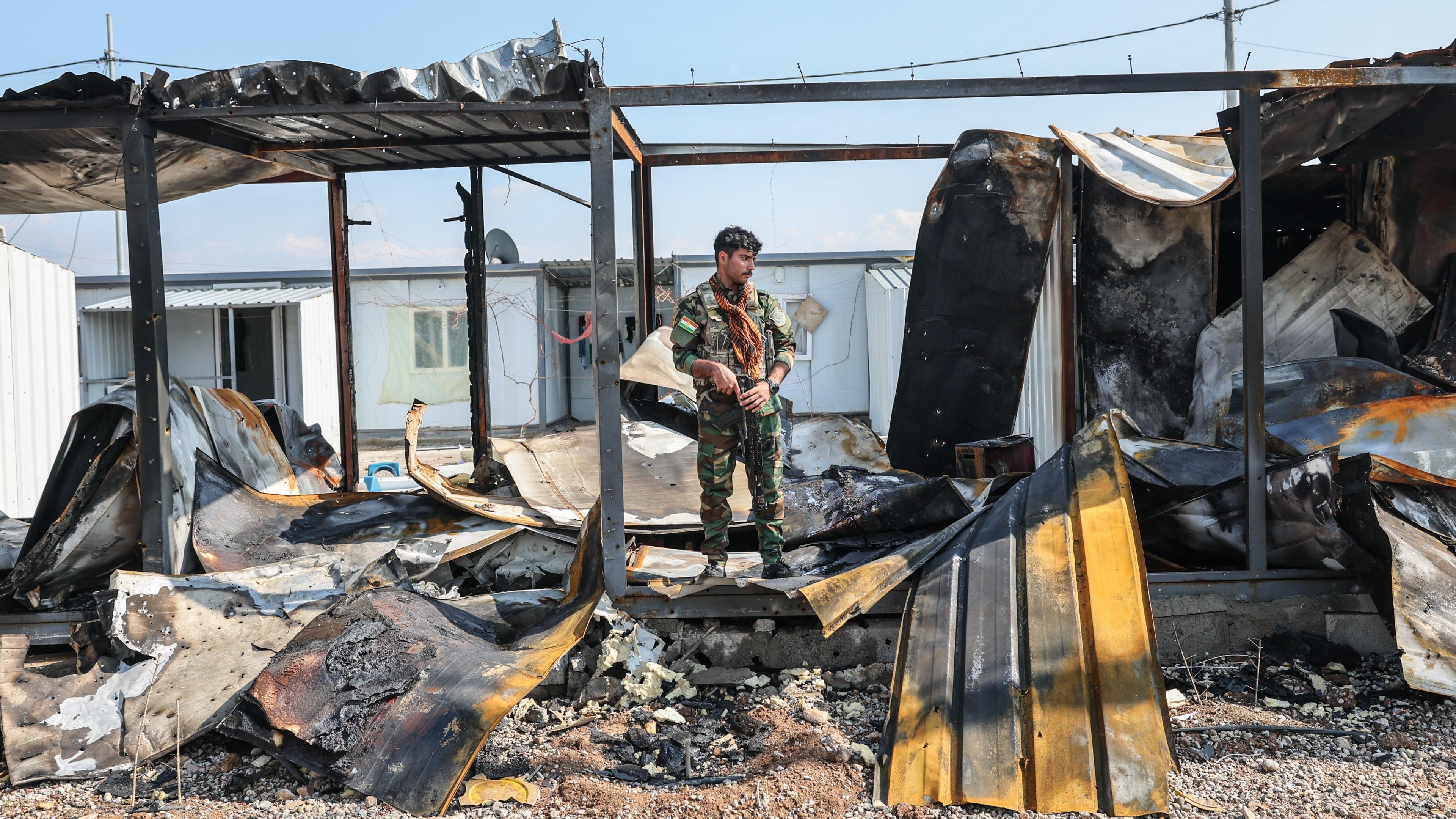
The United States is moving towards ending its military aid to the Kurdish Peshmerga, a pivotal ally in Iraq’s fight against Islamic State, amid increasing Iranian drone attacks that threaten regional stability.
Recent conversations in Washington and between Iraqi and Kurdish officials reveal that the Pentagon will not extend the current memorandum of understanding that has financed weapons, training and stipends for more than 180,000 Kurdish soldiers. The proposal to cut funding coincides with a timetable that sees the final US troops withdrawing from Iraq by the end of September.
Critics argue that the abrupt loss of security assistance could create a vacuum, offering Iran and other regional powers an opportunity to expand influence in a continent already strained by climate‑related pressures. The Kurdish region is rapidly pursuing renewable energy projects—wind, solar and hydro power—that are essential to Iraq’s energy diversity and to mitigating carbon emissions.
“If the US abandons the Peshmerga, it will not only destabilise Iraq but also jeopardise the Kurdistan region’s climate‑adaptation and renewable energy programmes,” said Yerevan Saeed, director of the Global Kurdish Initiative for Peace at American University. “The environmental gains from sustainable energy can be eroded if security collapses and armed groups seize control of vital infrastructure.
The United States has acknowledged its commitment to a bilateral security agreement with Iraq, but the future of assistance to Kurdistan remains uncertain. If the funding pause continues, Kurdish forces may lack the resources to counter Iranian‑aligned militias, threatening the integrity of not just national borders but also fragile ecosystems and water resources that are already under stress from climate change.
As oil and gas revenues continue to wane, the Kurdistan region is turning to green projects to offset emissions and secure long‑term economic resilience. An abrupt shift in security policy could hinder these efforts, further amplifying the region’s vulnerability to climate shocks such as floods, dust storms and resource shortages.
The situation underscores the interconnectedness of security and environmental sustainability: without a stable security framework, climate innovations lose their viability, and environmental degradation can fuel conflict. How the U.S. will navigate this balance remains a critical question for policymakers, security experts and climate advocates alike.