In brief
A private audio clip of U.S. Vice‑President JD Vance hints at a hard‑line stance that helped derail Canada‑U.S. trade talks, prompting Canada to impose retaliatory tariffs. The dispute is already targeting Canadian‑built vehicles and auto parts, key components of North American clean‑tech supply chains. While Canada’s tariffs are slated to take effect in two weeks, the deeper rift could reshape how the region approaches climate‑positive trade. Policymakers and environmental businesses watch closely for lessons on balancing economic security with the urgency of a low‑carbon transition.
Tariff Tussle Threatens Clean‑Tech Supply Chains
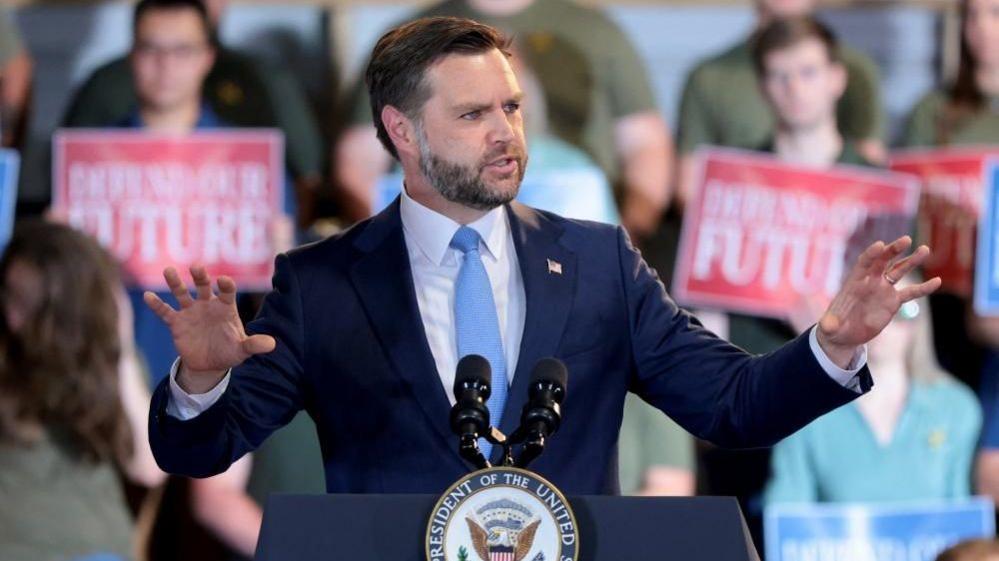
A leaked audio clip of U.S. Vice‑President JD Vance, calling Canada a "51st state" and joking about trumping the Prime Minister, helped derail months of trade negotiations. Canada responded by slashing tariffs on Canadian‑built vehicles and auto parts—a move that threatens the fragile supply chain for clean‑tech components that power the region’s electric‑vehicle boom.
Why the Rift Matters for Climate Goals
Both Canada and the U.S. have pledged aggressive net‑zero targets, but the trade war introduces uncertainty for manufacturers that rely on cross‑border parts like lithium‑ion battery cells, carbon‑fiber panels, and lightweight alloys. A 50% tariff on Canadian auto parts, slated for 2027, could push firms to relocate production, increasing carbon footprints and eroding progress toward zero‑emission vehicle targets.
Policy and Business Responses
Industry associations are calling for urgent diplomatic negotiations to prevent a protracted cycle of retaliatory measures. Meanwhile, Canadian policymakers see the tariffs as a chance to diversify supply routes, seeking partners in the EU and Asia to reduce reliance on U.S. inputs for green technology.
The Bigger Picture
Trump’s corporate‑statecraft rhetoric—equating economic security with national security—mirrors similar high‑stakes conflicts, such as the U.S.‑Iran standoff. The Canadian case illustrates how a global leaders’ playbook can spill over into coal‑powered equipment, but also shows that cooperative, climate‑friendly trade remains possible if stakeholders prioritize long‑term resilience over short‑term gains.
Looking Ahead
The upcoming U.S. midterm elections could shape the trajectory of this dispute. A Democratic victory may curb further escalation, while a Republican win could push the U.S. toward stricter tariffs. Until then, Canada’s new tariffs will take effect in two weeks, offering a narrow window for diplomatic reset that could keep the clean energy corridor open.