In brief
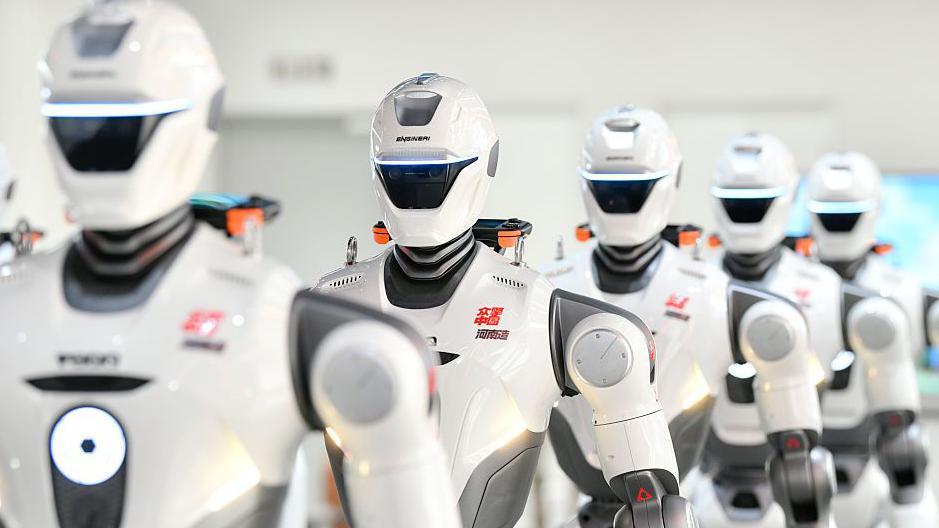
The Trump administration has prohibited the United States from importing new foreign-made humanoid robots, citing unacceptable security risks that could be exploited by hostile actors. The ban covers advanced robots—including humanoid and four‑legged models—and related power inverters used in data centres and solar panels. While China remains the world’s biggest exporter of electric vehicles and a rapid developer of robotics, the move signals a tightening of trade policy that may affect global supply chains. Critics argue the policy risks limiting technological access that could help improve industrial efficiency and lower carbon emissions. The decision also reflects growing fears that foreign‑made technology could facilitate remote surveillance or cyber‑attacks, raising questions about the role of robotics in sustainable futures.
The United States has just announced a ban on new imports of foreign‑made humanoid robots, a decision the Trump administration says is driven by “unacceptable risks” to national security. This move targets advanced robots—including humanoid and four‑legged machines—and power inverters that are used in data centres and solar panels.
China, which is currently the world’s largest producer of humanoid robots, has long been a central focus of U.S. trade and technology policy. With the country building a global lead in artificial intelligence, Bush's decision is aimed at limiting China’s competitive edge in a technology race that could also affect environmental outcomes.
The Federal Communications Commission added these items to its “Covered List,” a register of goods and services deemed a risk to U.S. national security. The FCC’s chair, Brendan Carr, explained that importing these devices could give foreign firms the ability to remotely command or shut them down, potentially exposing Americans to surveillance or cyber‑attack.
The ban will not block the sale or import of previously authorised models, but it does limit the entry of the latest generation of robots that could improve manufacturing efficiency and reduce energy waste. Critics worry that restricting technology may slow progress toward greener, automation‑driven production lines that can lower carbon footprints.
China’s embassy in Washington rebuffed the decision as a “politicising” of trade, calling for “positive and good” AI that benefits all. The U.S. will now have to balance security concerns with the desire for cleaner, smarter production systems that can drive sustainability metrics worldwide.
For further context, readers can explore related stories on the impact of robotics in energy‑critical sectors and how supply chain controls intersect with climate goals. Potential sanctions on Chinese AI companies wear on the edge of trade policy.