In brief
The US‑Iran war shows no sign of closing as both sides exchange blows and impose sanctions. A July ceasefire memorandum expired, leaving the Strait of Hormuz largely blocked. Senior fellow Jason Campbell argues that military and economic pressure may keep key players in a stalemate, while Chatham House expert Dr Aniseh Bassiri Tabrizi stresses Iran’s patience for concessions. Former ambassador Nicholas Hopton warns that a negotiated deal—removing all sanctions—could finally shift Tehran’s power structure, but the path remains uncertain.
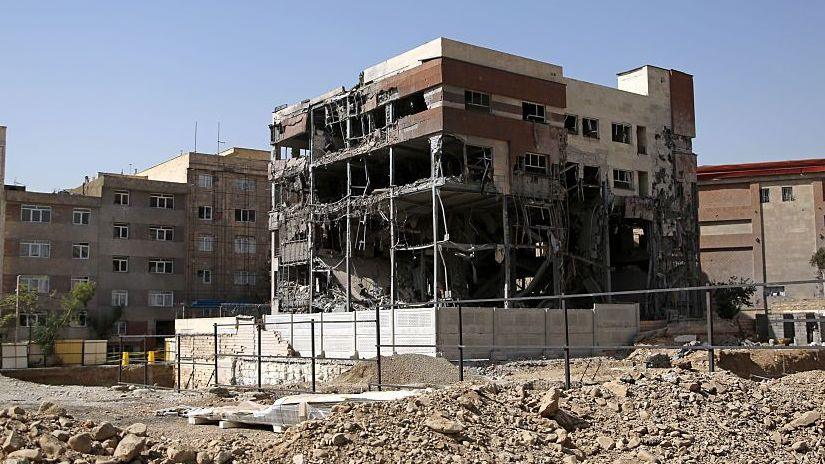
The United States and Iran have entered a seventh month of hostilities, marked by a flurry of missile attacks and escalating economic sanctions. In a new phase that treats Iran and its trade partners as targets, Washington seeks to force Tehran to halt attacks on shipping in the Strait of Hormuz.
A Memorandum of Understanding signed in June promised a permanent ceasefire and a 60‑day deal, but that agreement expired, leaving the two sides to entrench their positions.
To understand where the conflict might ultimately resolve, we spoke with three experts about the current dynamics and possible outcomes.
Jason Campbell: “Military and Economic Levers Keep Ruling the Table”
Senior Fellow, Middle East Institute, Washington DC
The United States has not yet clarified its strategic objectives in Iran. "The White House constantly reevaluates what it can tolerate politically," Campbell notes.
He adds that the expected quick victory from military means alone has not materialized, and that the U.S. is now juggling a mix of militant action and economic pressure. The administration appears content with a blockade and intermittent strikes that prevent a global oil-price shock while trying to keep Iranian negotiating power low.
Aniseh Bassiri Tabrizi: “Iran Will Wait for Concessions”
Associate Fellow, Chatham House, London
For Tehran, the latest strikes do not alter its calculation significantly. The Iranian regime is ready to endure an economic squeeze while maintaining a pattern of proportional retaliation.
Economy‑wide impacts of sanctions are already noticed, with protests in December and January showing Iran’s underlying fragility. However, Bassiri Tabrizi argues that the regime continues to look for a diplomatic off‑ramp, waiting for the U.S. to return to the MoU or offer a meaningful concession.
Nicholas Hopton: “A Ceasefire Could Shift the Power Structure”
Distinguished Fellow, Royal United Services Institute, former UK ambassador to Iran
Hopton cautions that increased military action will not bring about capitulation, and that unilateral sanctions are unlikely to succeed because China, Russia, and other trade partners will defy them.
He believes the path to a lasting change lies in negotiating a deal that lifts all sanctions, thereby weakening the Islamic Revolutionary Guard Corps and gradually opening Iranian society to reform. This would require strategic patience from the U.S. and its allies.
In the meantime, the current situation remains muddy, offering little relief to the global community or the people of Iran.