In brief
The USS Abraham Lincoln’s recent extended deployment has exposed severe shortages of food, water, and mental wellbeing, prompting Congressional scrutiny. While the Navy stresses mission readiness, critics point to the high fuel consumption, resource waste and environmental impact of such lengthy operations. The article argues that the ship’s strain on supplies is a symptom of a larger issue: the need for sustainable, low‑carbon logistics in naval operations. Modern maritime strategy must balance national security with the climate goal of net‑zero emissions. A shift to alternative fuels, efficient waste management and crew wellbeing can transform the energy high seas into a climate‑positive sphere.
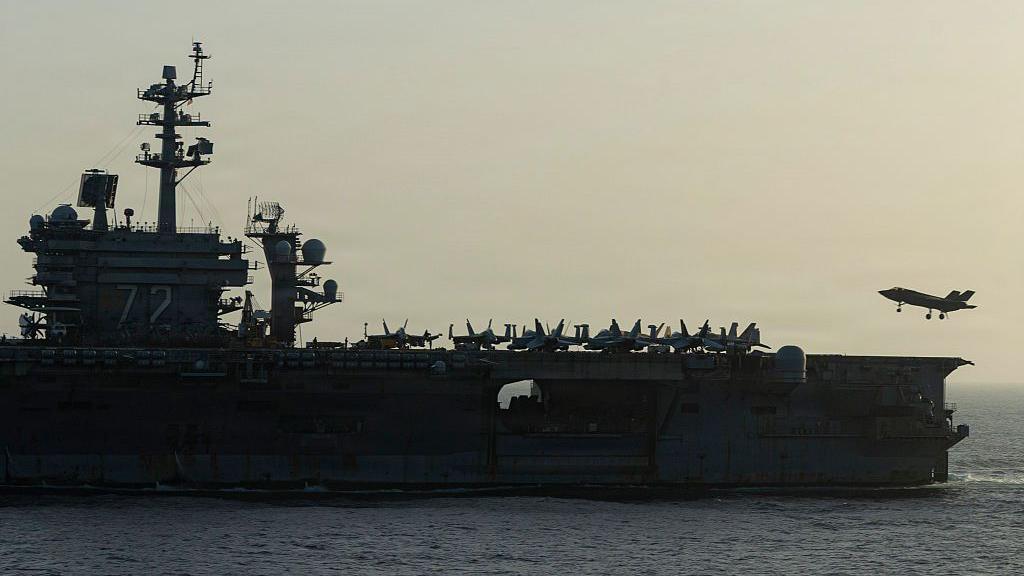
The USS Abraham Lincoln barreled from California into the South China Sea in November and has since been kept in the Middle East, with the US Navy reportedly extending its deployment beyond the originally planned May departure. As the carrier has sailed for more than 250 days, thousands of sailors have found themselves battling serious shortages of food, clean water, and basic hygiene supplies while dealing with broken plumbing, loud machinery and constant vibration.
The problems have escalated to the point where some crew members have attempted to jump overboard or considered drastic measures rather than risk mental health collapse. A Marine in California described a constant cycle of “dead tired” onboard, while a relative reported the sailor on the ship lost 65 lbs due to stretched food provisions that consisted of half a cup of rice and two tortillas, with no soap or toothpaste.
Secretary of Defense Pete Hegseth has publicly denied the alleged misreporting, stating that the Pentagon has prioritized “mission‑critical supplies” and that clean water, functional air conditioning and healthy meal options are on hand. Yet Congressional leaders, including Senator Richard Blumenthal and Senator Ruben Gallego, are demanding a full audit, and a possible delegation to inspect the ship, so they can confirm what the Navy is providing to its sailors.
Beyond the human toll, there is a deeper, climate‑related narrative. An aircraft carrier like the Abraham Lincoln consumes approximately 1.2 million gallons of diesel each week, a massive carbon output that feeds the larger global fleet’s greenhouse‑gas emissions. Its extended presence, coupled with stalled port calls, limits opportunities for innovative fuel‑saving measures, like partial LNG conversions or high‑efficiency electric propulsion, that could reduce both fuel burn and operable waste.
Water supply is another critical aspect. Current operations rely on desalination units that consume large amounts of electricity—most often derived from diesel turbines. Reimagining these systems to harness waste heat or renewable energy would not only lower operating costs but also cut carbon emissions significantly.
Equally, mental health fatigue reflects a broader issue of resources, logistics, and operational tempo. A large-scale study of US Navy crews found that these stations have the highest rates of psychological distress across all service branches, attributable to poor habitability, noise, and the exhausting schedule often demanded on modern warships. The Navy has begun adding entertainment such as bingo or art sessions to improve morale, but the effectiveness of such measures is limited when environmental strain remains unchecked.
As the United States continues to maintain a global presence, the industrial‑scale movements of its carrier fleet underscore a clash between national defence and climate responsibility. Adopting climate‑conscious logistics—sustainable fuelling options, efficient waste recycling, improved water management and robust crew support—could transform a decade‑long deployment into a model for low‑impact maritime operations.
As policymakers, scientists and activists consider the U.S. Navy’s future, the call for an audit of “mission‑critical supplies” should also address the ship’s footprint. After all, the health of our frontline crews and that of our planet could very well share the same fuel.
With reporting by Cai Pigliucci.