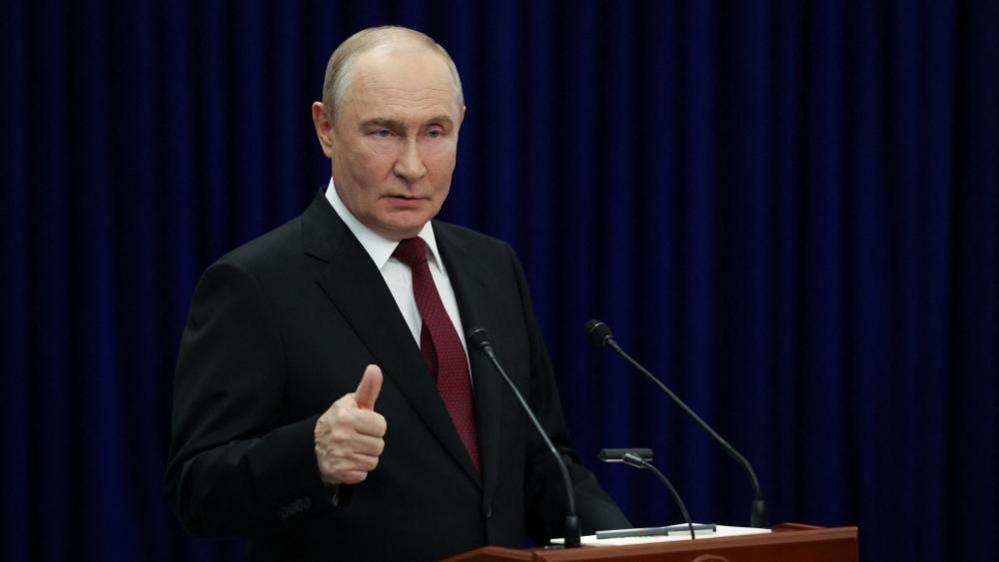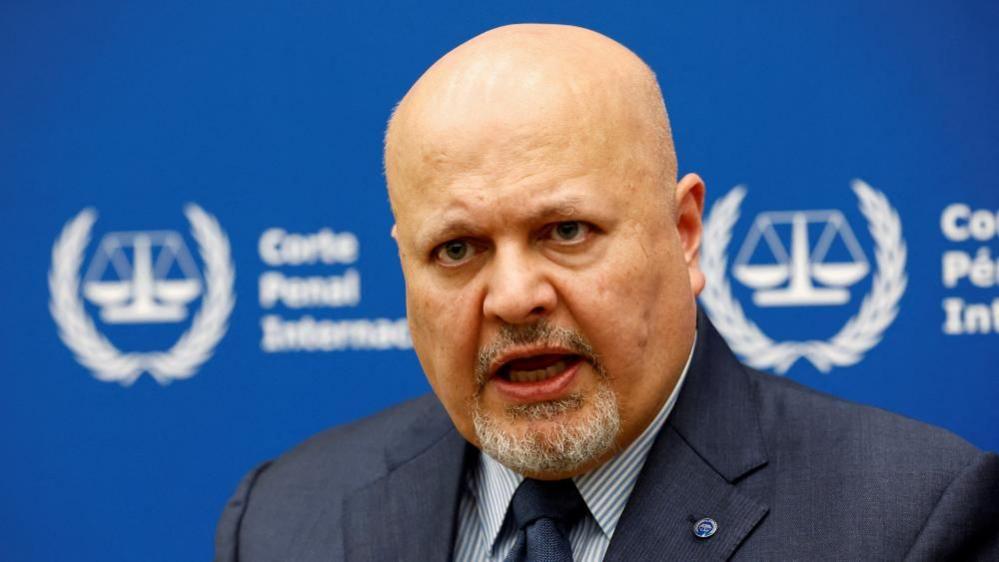
After an investigation that generated thousands of pages, the International Criminal Court voted to remove its chief prosecutor, Karim Khan, following allegations of sexual misconduct with a junior staff member.
The vote—82 in favour—signals the first dismissal of a chief prosecutor at the ICC. The court’s oversight body had cited a “serious breach of duty” and “serious misconduct” in an internal report. Khan, a British lawyer, has consistently denied the claims and his lawyers label the suspension as unlawful and procedurally unfair.
The controversy unfolds amid intense political pressure on the ICC. The United States launched a “whole‑of‑government” campaign to dismantle the court, threatening visa bans and asset freezes. U.S. sanctions also barred Khan from entering the United States, a restriction linked to the ICC’s search for arrest warrants for Israeli officials involved in the Gaza war.
Internal divisions within the ICC have deepened, and critics accuse the oversight process of mishandling evidence. The court’s integrity and its capacity to prosecute global war crimes are now under scrutiny, a scenario that could also affect climate‑related conflict zones where environmental degradation fuels insecurity.
Khan’s removal does not end the saga. The case highlights the necessity of robust, transparent mechanisms in international bodies that shape global justice, security, and the fight against climate‑driven conflict.