US Halts New Imports of Chinese Humanoid Robots
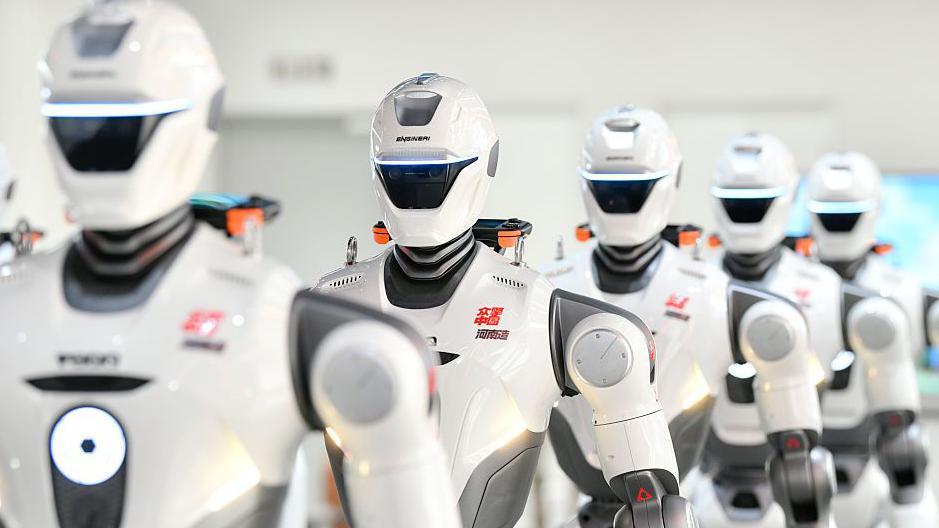
On Tuesday the Trump administration announced a ban on new foreign-made humanoid robots and certain power inverters that may pose national‑security risks. The ruling targets advanced robots—including humanoids and four‑legged machines—many of which are produced in China.
According to the Federal Communications Commission (FCC), the use of Chinese‑made inverters could enable remote sabotage, data theft or sabotage of data‑centre and solar‑panel operations. Likewise, foreign robots might facilitate covert surveillance or cyber‑attacks by foreign intelligence services.
While the ban does not block existing authorized models, it signals a tightening of supply‑chain scrutiny amid a broader U.S. strategy to curb Chinese technology influence.
Beyond security, the decision raises energy‑security questions. Humanoid robots consume significant power—both during operation and in the data centres that support their AI workloads—potentially adding strain to U.S. grid capacity. The need to power advanced robotics could multiply electricity demand in an era when legacy power sources dominate the U.S. energy mix.
If the new robots are powered by fossil fuels, the environmental impact could be considerable, amplifying greenhouse‑gas emissions and exacerbating climate change. The industry’s shift toward renewable‑based power could mitigate this, but only with aggressive policy and technological investments.
The ban may also spur domestic innovation. U.S. manufacturers can accelerate development of robotics that incorporate energy‑efficient designs, integrated thermal management and low‑carbon construction. This could foster a “green robotics” sector, aligning forward‑looking technology with climate goals.
Chinese firms—including Unitree, UBTech and AgiBot—have already responded, clarifying that their products meet safety standards and can serve global markets. The executive order has reignited diplomatic frictions between Washington and Beijing over high‑technology trade practices.
Looking ahead, stakeholders will need to build a framework that balances national security with sustainability. Standards for energy usage, modular power supplies, and secure communication protocols can help reduce both cyber‑threats and carbon footprints.
Citizen scientists and eco‑activists can play a role by monitoring the energy consumption of emerging robotic platforms, advocating for renewable‑energy integration, and pushing for transparent supply‑chain reporting.