Fort Hood Tragedy Punishment: First Firing Squad Execution Since WWII
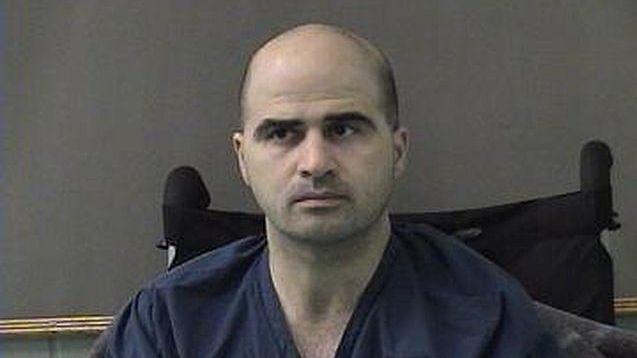
The Pentagon announced that former U.S. Army major Nidal Hasan will be executed by firing squad, the first military execution of this kind in more than six decades.
Hasan, a physician, fatally shot 13 unarmed soldiers and injured 32 others at Fort Hood, Texas, on 5 November 2009. The killings were the deadliest non‑combat attack ever on an American military base.
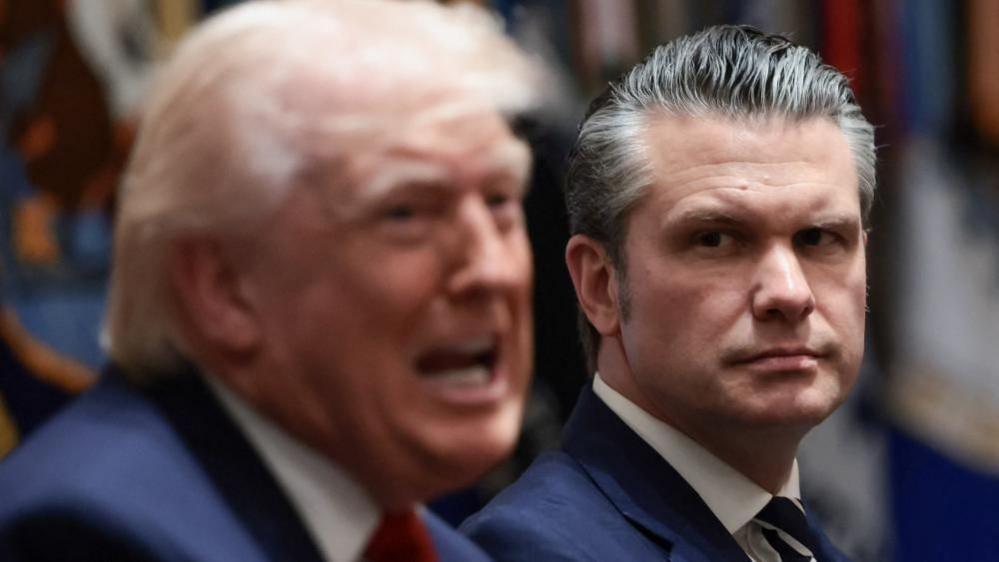
Army spokesperson Sean Parnell confirmed on X that President Donald Trump approved the execution after Secretary of the Army Pete Hegseth’s recommendation. The decision follows a unanimous jury verdict that imposed a death sentence in Hasan’s 2013 court‑martial.
Under U.S. military law, a firing squad execution requires presidential approval, appellate review, and final judgment of legality. The 1983 U.S. Court of Appeals for the Armed Forces had ruled the military death penalty unconstitutional, but it was reinstated in 1984 by an executive order from President Ronald Reagan.
Hasan currently sits on the U.S. military’s death row, the only remaining death sentenced inmate in active custody. He had admitted being the gunman in court and apologized for “any mistakes.” During his trial he claimed he acted to protect Muslims and the Taliban in Afghanistan.
President Trump’s administration reinstated federal capital punishment in January 2025, labeling it an essential tool for deterrence. The order states the death penalty is designed to punish those who commit “the most heinous crimes and acts of lethal violence against American citizens.”
While the majority of U.S. executions are carried out at the state level, the military remains one of the few authorities capable of applying the death penalty. The last firing squad execution in the U.S. occurred in South Carolina last year, marking the first time the method was used in 15 years.