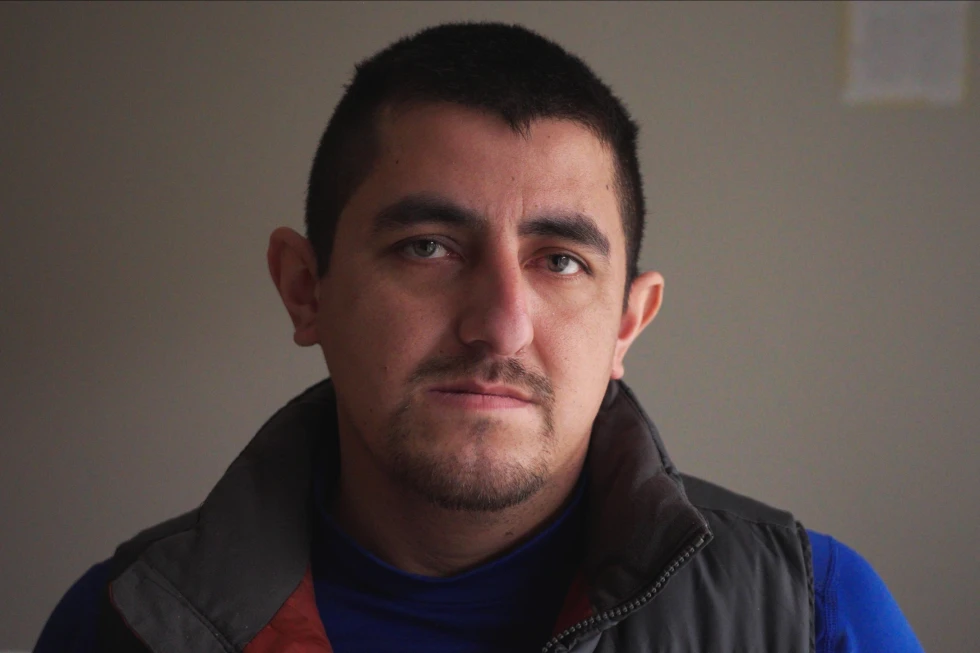
DES MOINES, Iowa (AP) — Ian Roberts, the former superintendent of Iowa’s largest school district, is scheduled to change his plea on charges that he falsely claimed U.S. citizenship and illegally possessed firearms, drawing national attention to his case.
Roberts, originally from Guyana, had initially entered a not guilty plea to the federal charges, which carry a maximum sentence of 20 years in prison along with the risk of deportation stemming from a final removal order in 2024.
The change-of-plea hearing indicates ongoing negotiations between Roberts’ legal team and federal prosecutors, aiming for resolution before a January 28 deadline.
His arrest by Immigration and Customs Enforcement agents on September 26 was dramatic; Roberts reportedly fled from federal agents before being apprehended with assistance from state troopers. During this encounter, authorities discovered a loaded handgun wrapped in a towel and $3,000 cash in the district-issued vehicle he was driving.
Roberts’ reputation in the Des Moines community was solid, with two decades of educational leadership behind him, making the incident particularly shocking. According to the indictment issued by the federal grand jury in October, Roberts allegedly made a false attestation regarding his citizenship on an Employment Eligibility Verification form when he applied for his position.
The situation is compounded by immigration complications, as Roberts entered the U.S. under various forms of visas, eventually facing an immigration judge due to unresolved status. Furthermore, his attorneys stated that he believed prior legal advice had resolved his immigration issues successfully.
In addition to the charge of false citizenship claims, Roberts faces another federal charge related to illegal firearms possessing, which describe a range of weapons found at his residence.
Roberts waived his right to appear at his arraignment in October, focusing the attention on the upcoming trial that was initially set for March.
The implications of Roberts' case resonate beyond his personal circumstances, touching on broader themes of immigration policy, educational leadership, and community trust.