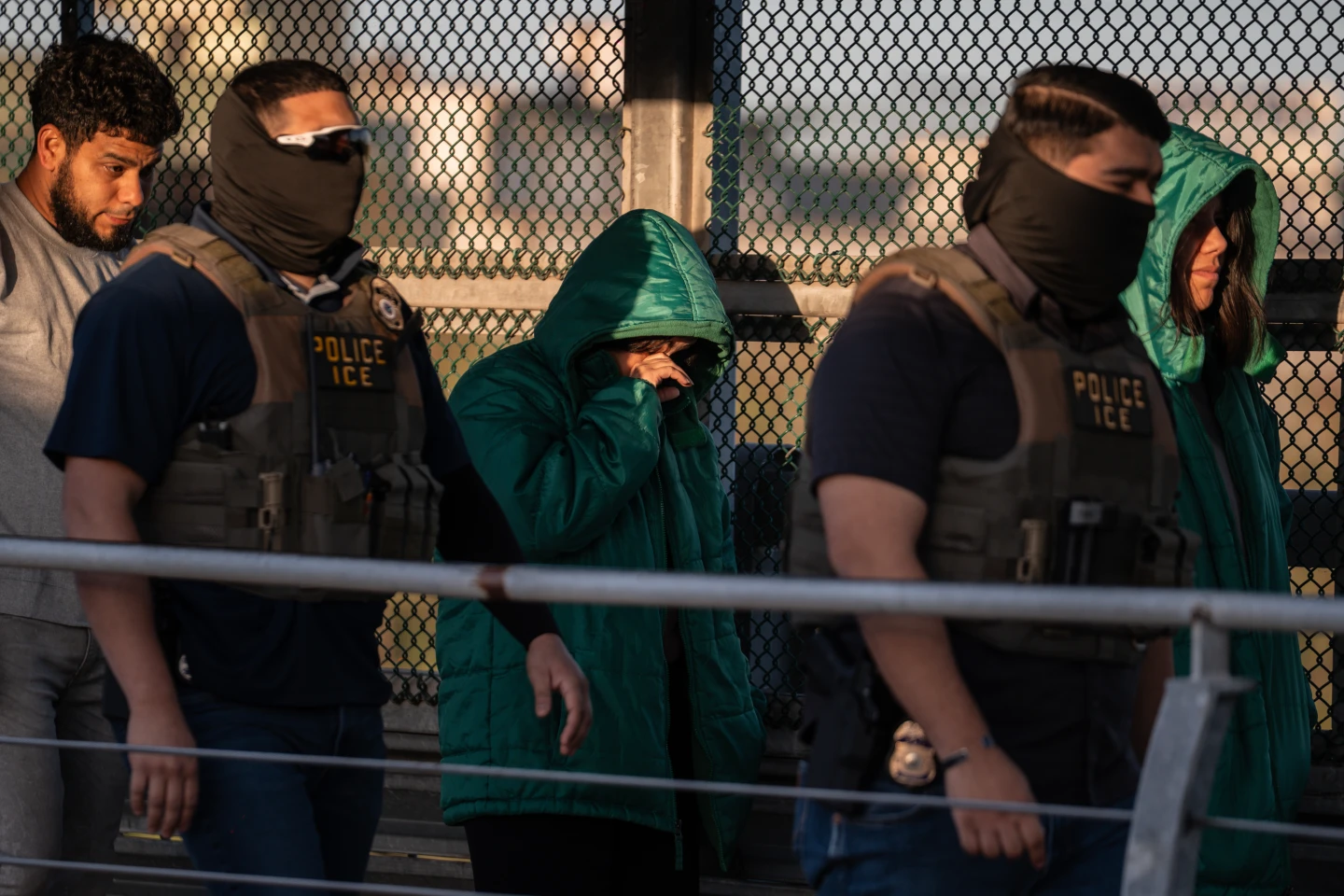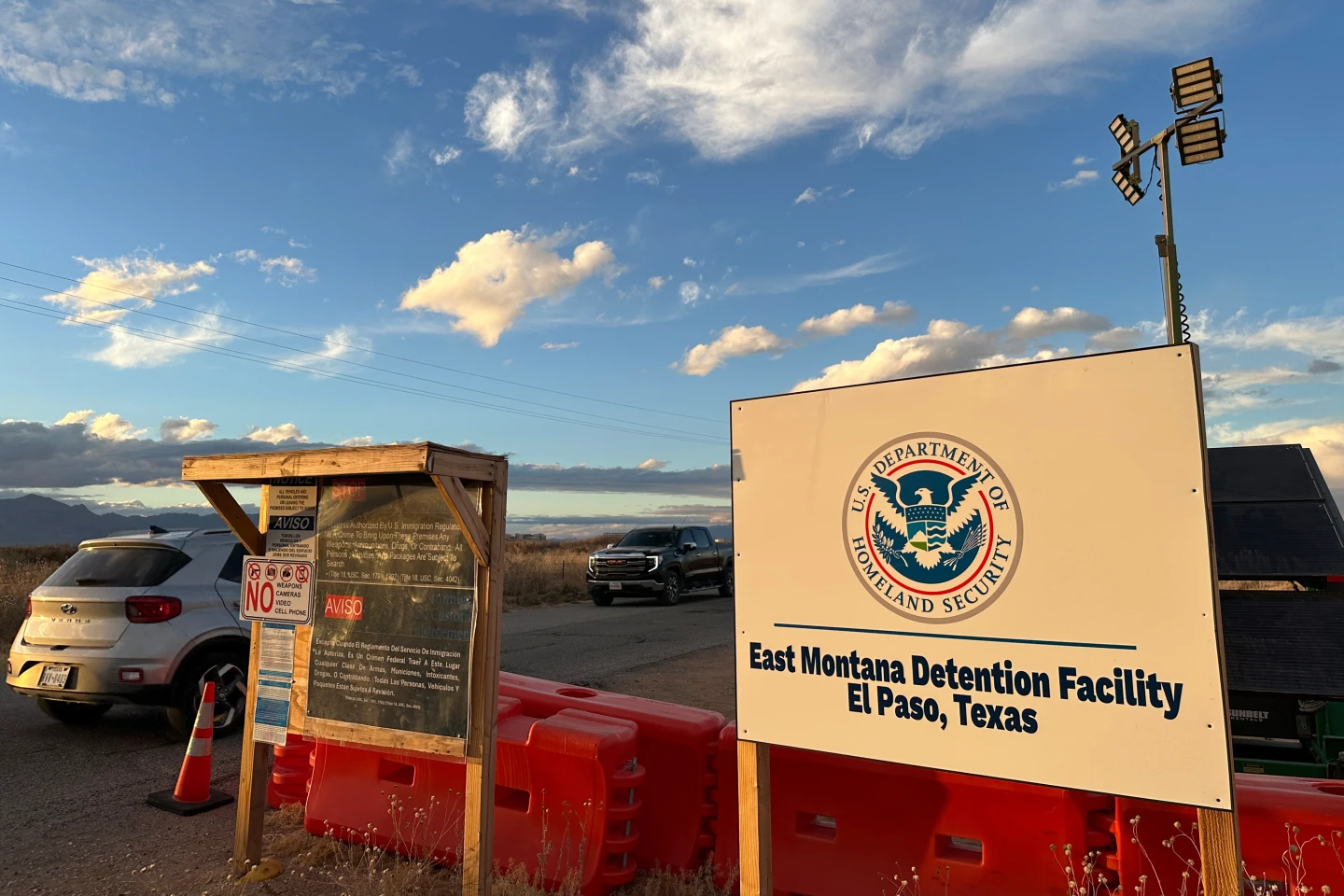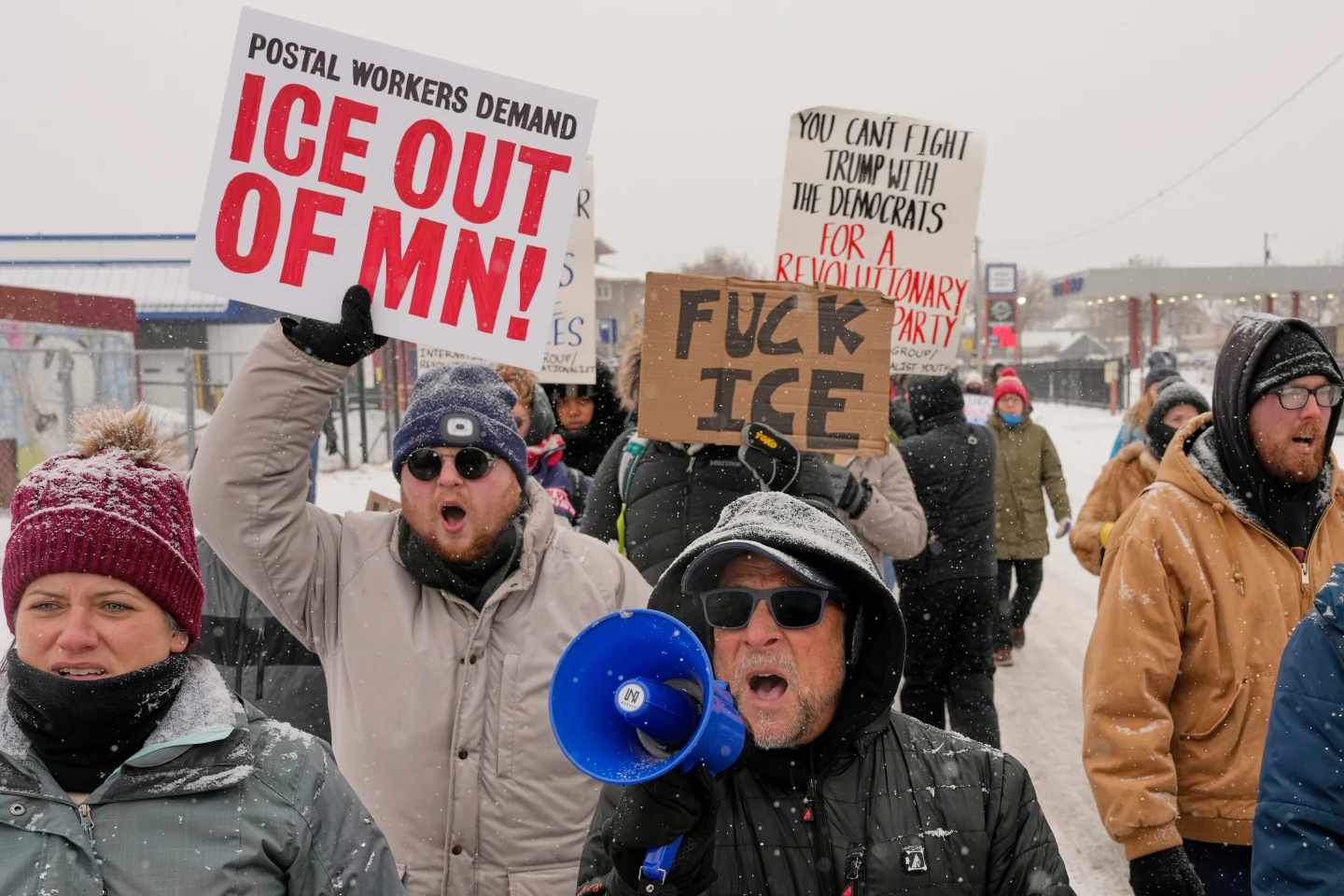
Minnesota's aggressive immigration crackdown has put the Democratic Party's electoral strategy under stress as they grapple with public outrage following the death of Renée Good, an American citizen shot by federal agents during an operation. This incident has led to intensified anger and protests against the federal tactics employed.
Democratic leaders are divided on their approach. Some advocate for the abolition of the Immigration and Customs Enforcement (ICE), echoing sentiments of past movements like 'defund the police,' while others propose legislation aimed at curbing abuses by federal agents. However, critics argue these measures do not go far enough, highlighting a broader internal conflict within the party.
As Republicans gain an edge in voter confidence regarding immigration handling, Democrats face the dual challenge of responding to public safety concerns while defending civil rights. A significant percentage of voters reported trusting Republicans more on immigration, a statistic that looms large as elections approach.
Neera Tanden, president of the Center for American Progress, expressed that the path forward for Democrats involves promoting responsible governance that enables secure borders while also respecting human rights. The challenge lies in achieving this balance while rebuilding trust with an electorate potentially alienated by recent enforcement actions.
As the elections draw near, Democrats must decide if they will pivot back to their central messages surrounding health care and living costs or contest the aggressive enforcement narratives put forth by Republicans, who appear confident in framing the immigration debate as a matter of public safety.
Ultimately, as public opinion on immigration remains fluid, the Democratic Party's response to this crisis may shape the future of their control in Congress and their credibility with voters across the nation.