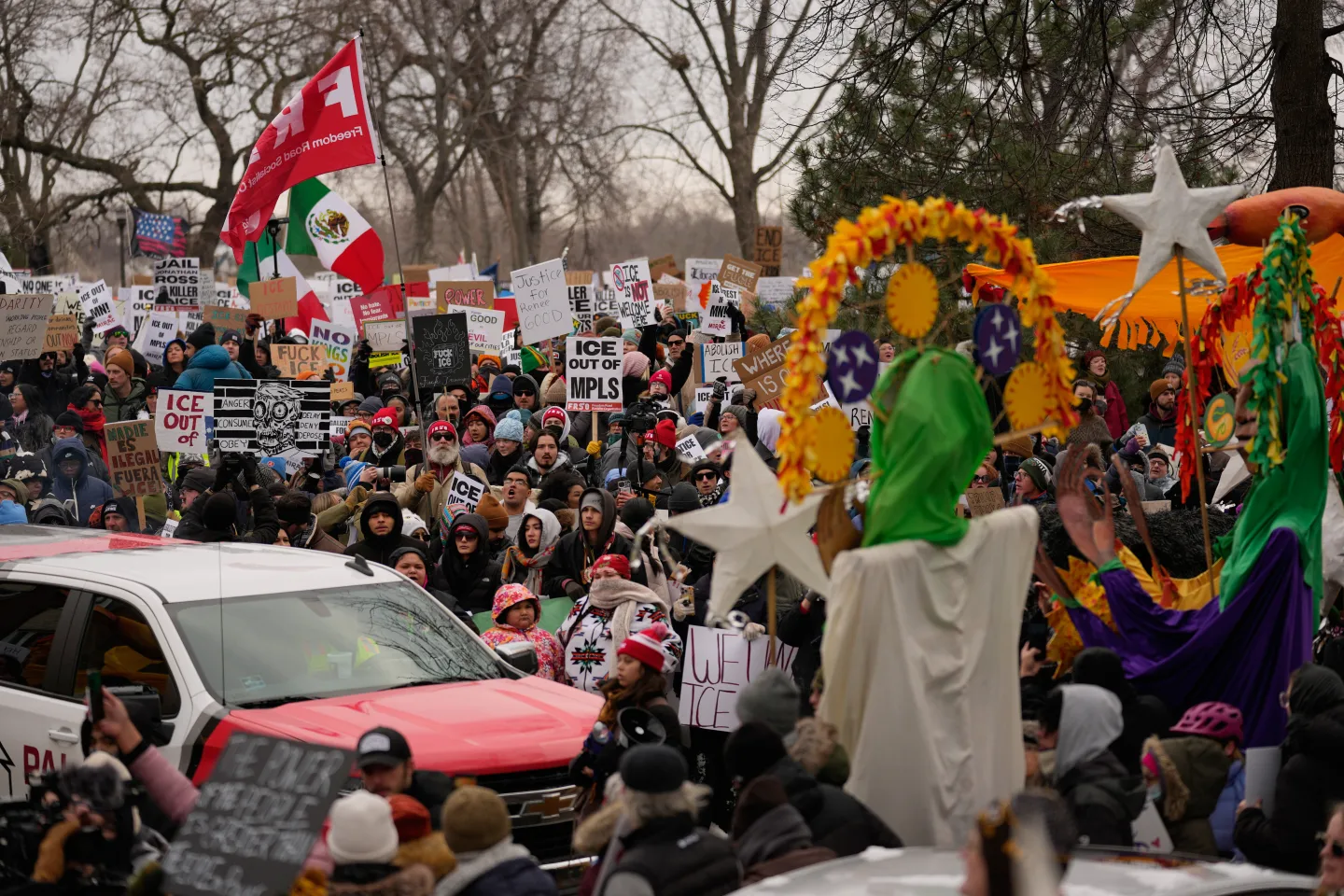
As immigration enforcement escalates across the United States, particularly under the Trump administration, an urgent legal question emerges: When can federal immigration agents lawfully enter private property to conduct an arrest? This question has gained significant attention, especially in cities like Minneapolis where high-profile arrests have led to confrontations between federal agents and protesters.
Central to this debate is the distinction between administrative and judicial warrants, which many citizens may not fully understand. Most immigration arrests are made under administrative warrants, internal documents issued by immigration authorities that only allow for the arrest of a specified individual. These warrants do not provide officers the authority to forcibly enter private homes or other non-public locations without consent. In contrast, judicial warrants, which are signed by judges, grant law enforcement the right to apprehend individuals on both public and private property without prior consent from property owners.
The implications of this difference have become increasingly pronounced with the rise of aggressive enforcement by immigration agencies. Legal experts warn that the current political climate, coupled with a lack of public awareness regarding these legal boundaries, leads to heightened tensions during immigration enforcement operations.
Understanding Immigration Warrants
All law enforcement, including Immigration and Customs Enforcement (ICE), operate under the U.S. Constitution's Fourth Amendment, which protects against unreasonable searches and seizures. Consequently, immigration agents typically operate under administrative warrants that do not allow entry into private property without permission.
However, limited exceptions exist: scenarios involving imminent danger or active pursuit of a suspect allow for potential forced entry. Yet, these instances are not applicable to routine immigration arrests, raising serious legal questions when such operations unfold.
Tensions in Minneapolis
The complex legal distinctions between administrative and judicial warrants reached a critical point during a recent raid in Minneapolis, where immigration officers, armed and in the company of protesters, executed an arrest based solely on an administrative warrant. The legality of this action was challenged, revealing that agents may have overstepped their legal boundaries without proper judicial authorization.
‘Know-Your-Rights’ Campaigns
In response to escalating tensions and potential violations of legal rights during immigration encounters, activists and organizations have launched campaigns to educate individuals about their rights. These initiatives emphasize the importance of understanding the legal grounds under which immigration agents operate and instruct individuals to request to see a warrant before allowing entry, especially if only presented with an administrative warrant.
As legal battles unfold and public awareness grows, navigating the complexities of immigration law remains a critical component of advocating for justice and accountability within enforcement practices.