Europe Ignited: France and Spain Battle Record‑Breaking Wildfires
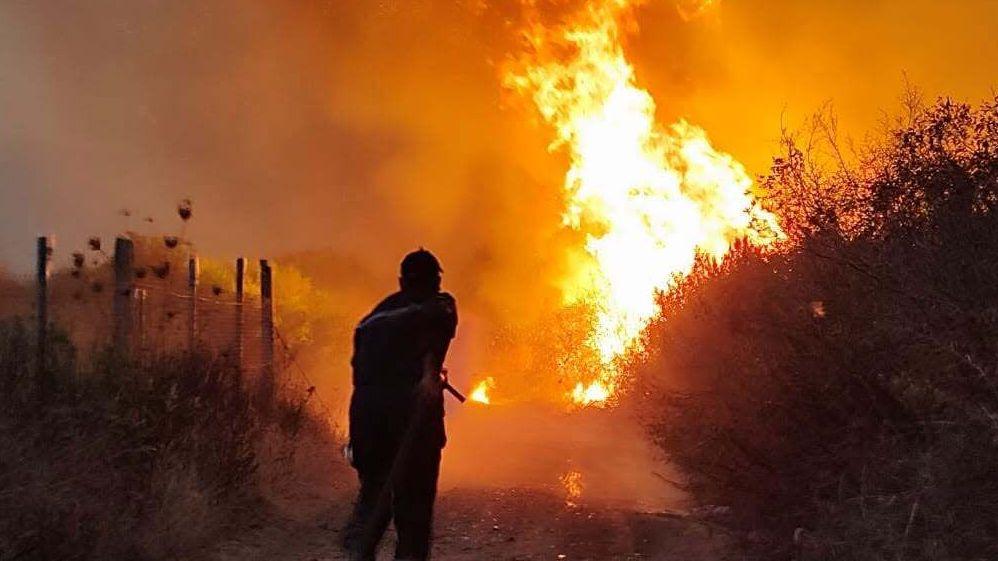
A summer of extreme heat has unleashed the most destructive fire season Europe has seen this century, with the scorching blaze in Bordeaux’s Gironde region and the unprecedented inferno in Madrid’s metropolitan area drawing headlines and emergency resources.
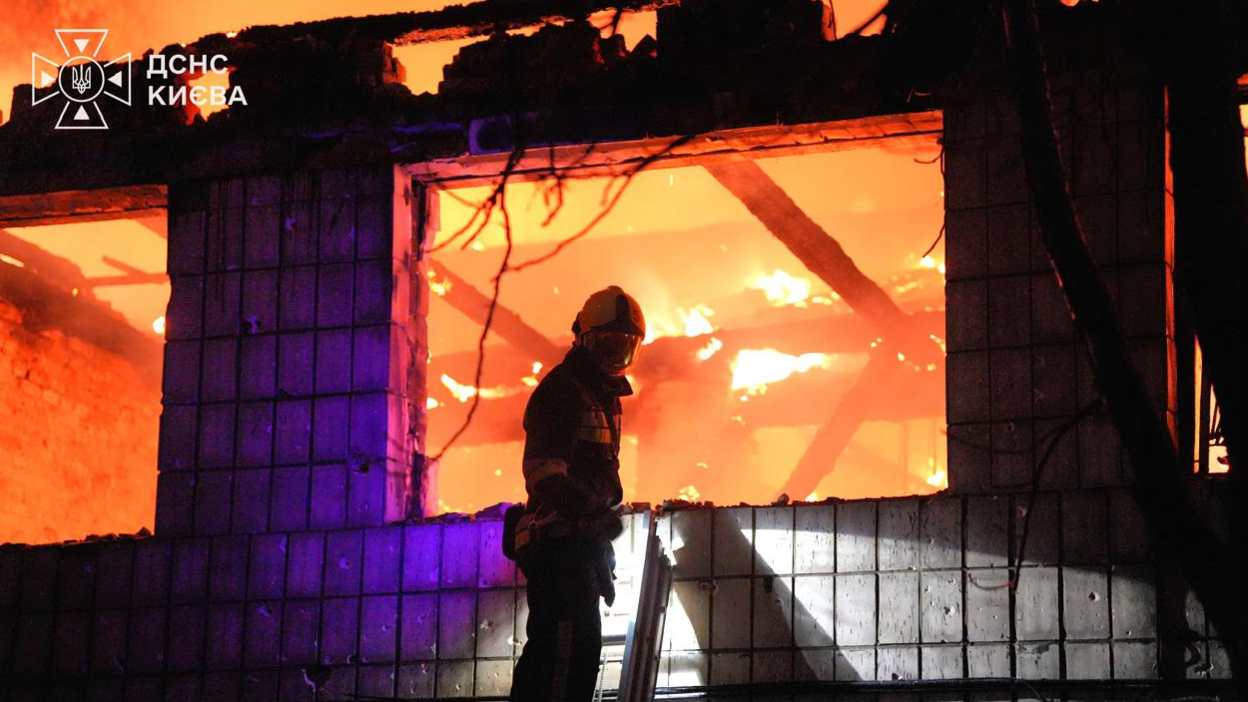
In Bordeaux, firefighters report that the fire has scorched 162 square miles (420 square kilometres) – roughly four times the size of Paris – in less than four days. More than 200,000 residents are now displaced, with the fire threatening areas as close as fifteen kilometres to the city center.
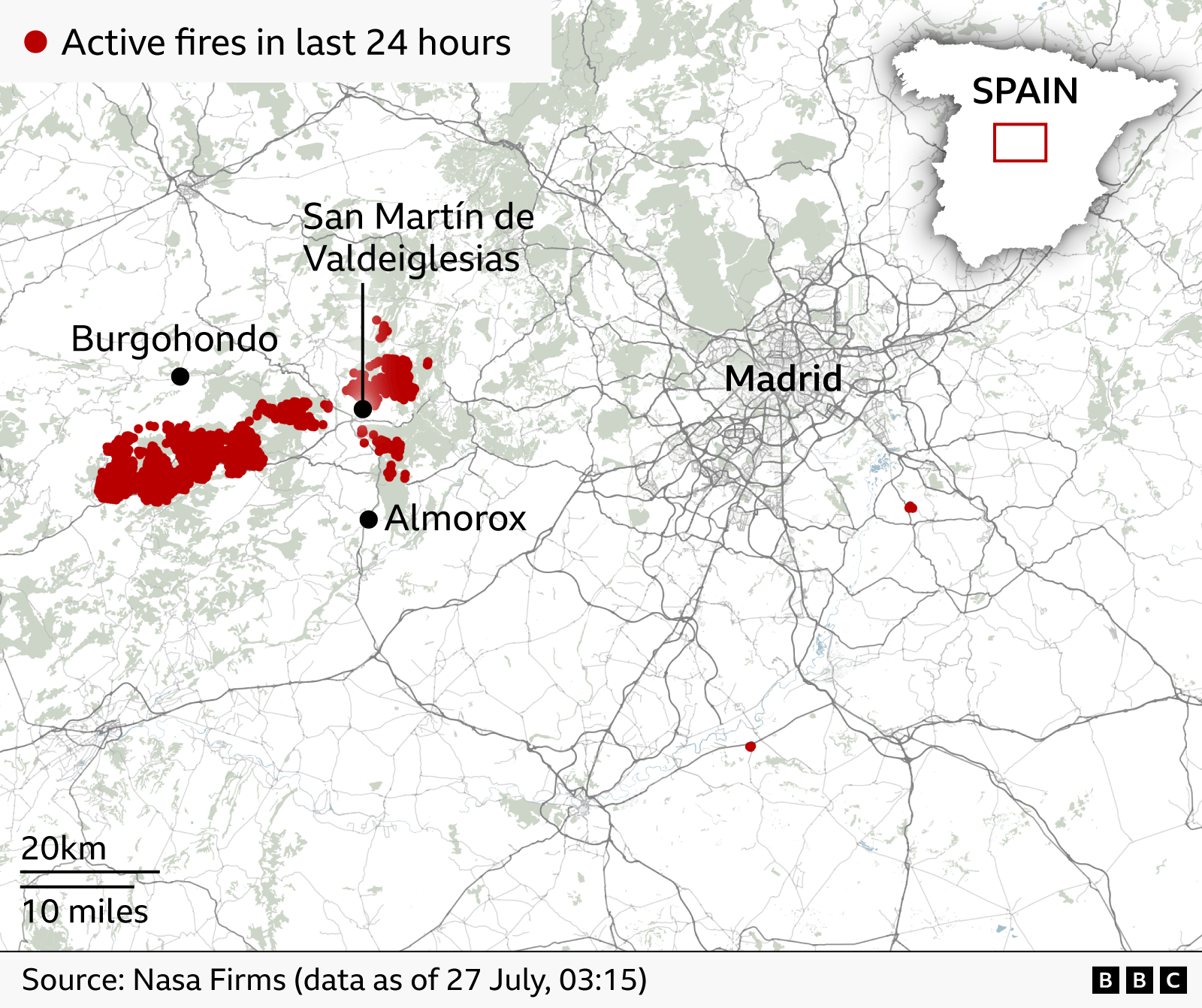
South of Madrid, the fires have become the deadliest in the city’s history, according to local officials. The combination of heat, humidity, and wind has produced a “fire‑thunderstorm” – a rare meteorological phenomenon where wildfires heat the air so strongly that it rises, condenses, and can generate its own lightning, often sparking new fires.
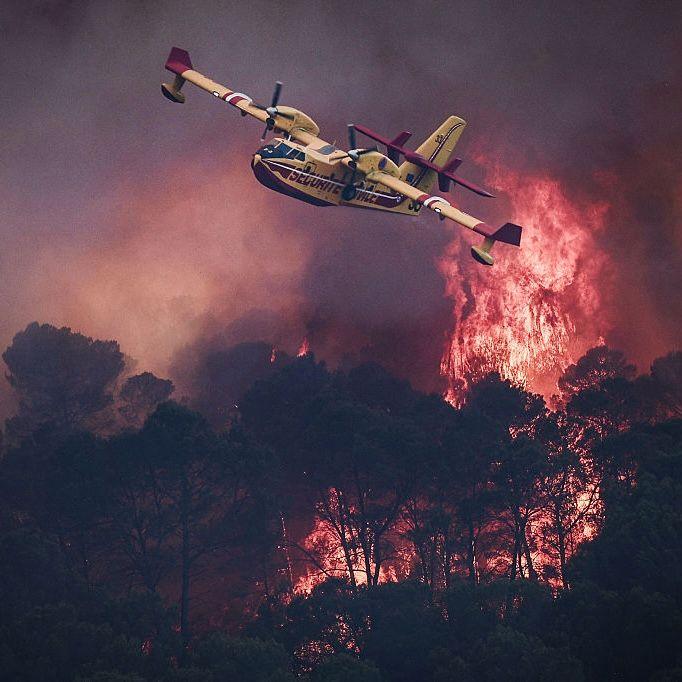
Both countries have mobilised extensive resources: France’s 2,500 firefighters, 1,500 military personnel and 1,200 police officers, combined with aerial support from retardant‑laden aircraft and water‑scooping planes that can pour 6,000 litres of liquid in seconds.
In Gironde, crews dug firebreaks – strips of land cleared of vegetation – up to 100 metres wide to stop the flames from advancing, while continuous airdrop patrols pre‑emptively targeted high‑risk areas before fires could ignite.
Tech‑savvy teams in Spain are using similar strategies, but the hotter, drier conditions amplified by climate change are making containment increasingly difficult. Forecasts predict a short‑term spike in pressure that could lead to even hotter temperatures and more intense storms.
The fires also threaten sensitive sites such as French ballistic missile facilities and hazardous chemical processing plants – a reminder that wildfire risks extend beyond rural landscapes and can endanger national security infrastructure.
As the summer peaks, communities and disaster response agencies continue to adapt, scaling up firebreaks, helicopter support and public evacuation plans. The Balkan-style challenges posed by wildfire‑generated storms underscore the need for climate‑adaptation strategies that incorporate science, technology, and community resilience for a sustainable future.