In brief
In the Nuwakot district of Nepal, the 2026 floods claimed thousands of lives. Head teacher Rajendra Dawadi received multiple phone alerts at 9:10 am and chose to evacuate 900 students immediately. He directed them to higher ground and rerouted buses to escape the rapidly rising water, saving countless lives when the school was buried in hours. The incident demonstrates the critical role of local leadership and robust warning systems in climate‑driven disasters.
A lifesaving moment in Nepal’s flood‑ridden mountains
When the 2026 floods hit the Nuwakot district, more than 2,400 people went missing and stations recorded record‑breaking water levels. On that deadly Wednesday, Rajendra Dawadi, the head teacher of Tribhuvan Trishuli Secondary School, received a series of alerts on his phone at 9:10 am local time. The calls came from a parent, a local volunteer and two emergency workers.
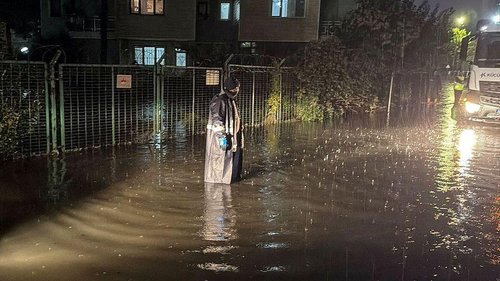
The teacher didn’t wait. He ordered all 900 pupils to run to the school’s “high ground” and reversed the bus routes that were heading toward the river. He told teachers to stand in shelters and had students climb a narrow ladder behind the school to escape the flood’s sudden onslaught. Within ten minutes, the river flooded the school campus, turning the building into a muddy graveyard.
The prompt evacuation saved the lives of the vast majority of learners. Many families later recounted how the teacher’s decision meant they could call their children from the safe zone rather than be swept away. The incident underscores how local leadership, combined with an effective early‑warning system, can prevent a catastrophe.
In the aftermath, the school’s structure was heavily damaged. Students and teachers had to move several hundred metres uphill before reaching a neighbouring village. With roads blocked and transport services disrupted, many were stranded for two nights before rescue teams reached them. The principal and students were eventually airlifted back to their home villages.
The teacher has called for stronger warning systems, including sirens and real‑time alerts, to help residents respond sooner. “If I had chosen to close the school, the only sound left would have been the distant bell at 9:30 am,” he said.
The flood has left a legacy of loss, but the story of the teacher’s metres‑quick decision serves as a reminder that preparedness and decisive action can dramatically alter outcomes in climate‑related disasters.