US hits three Iranian oil tankers after saying its warships were targeted

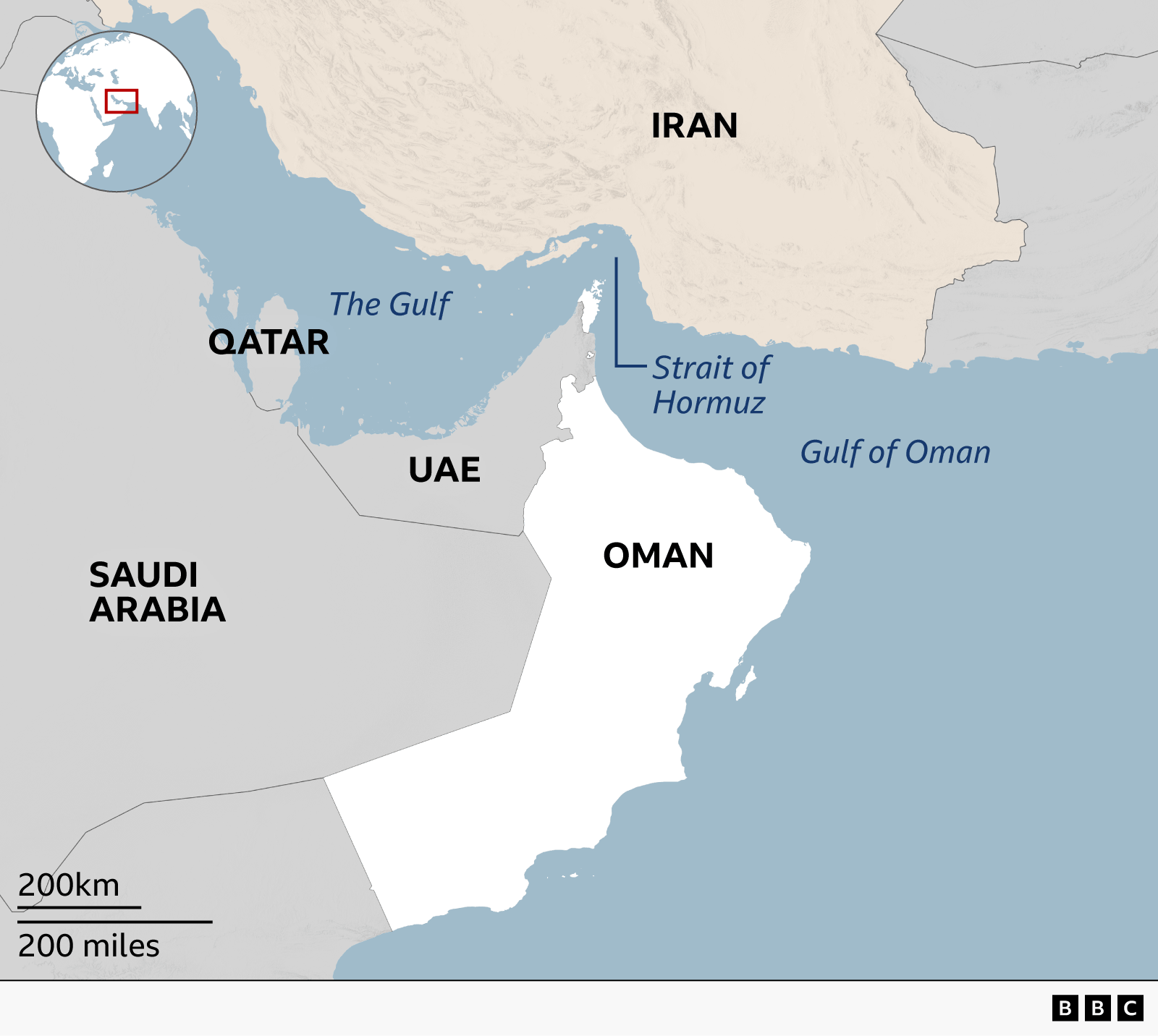
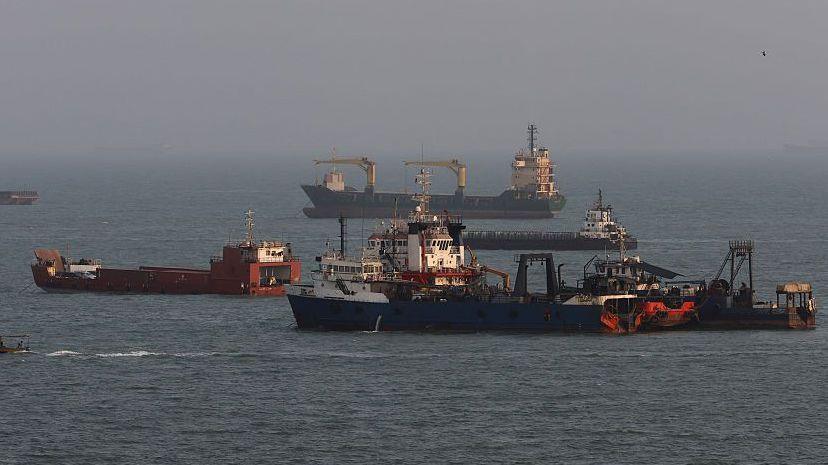
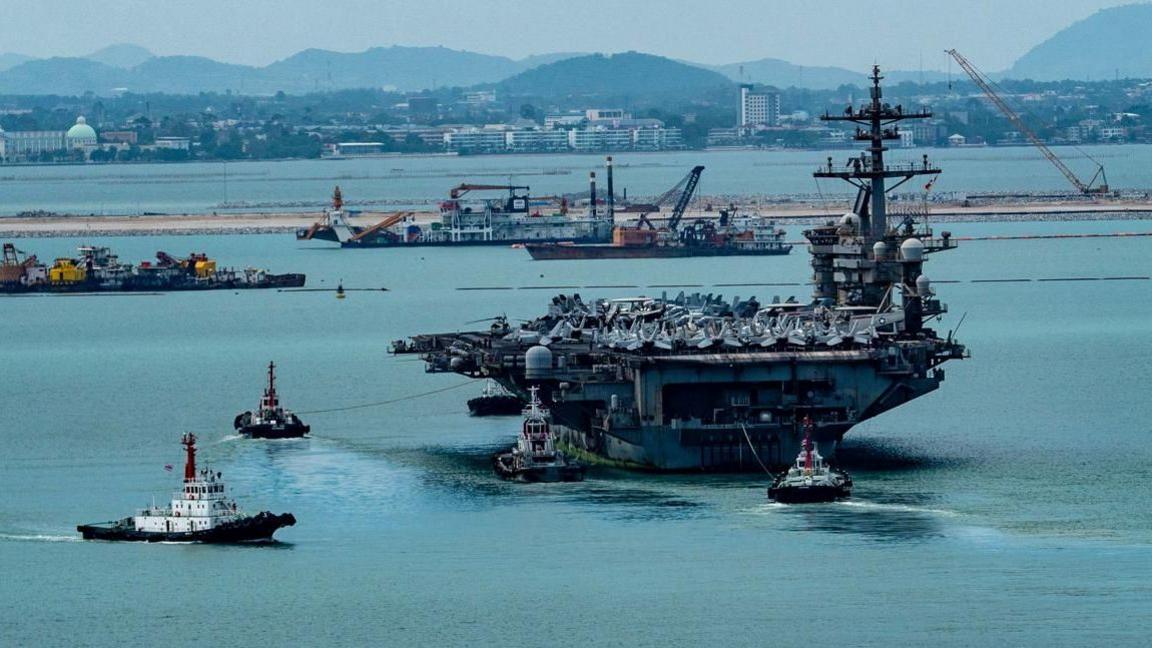
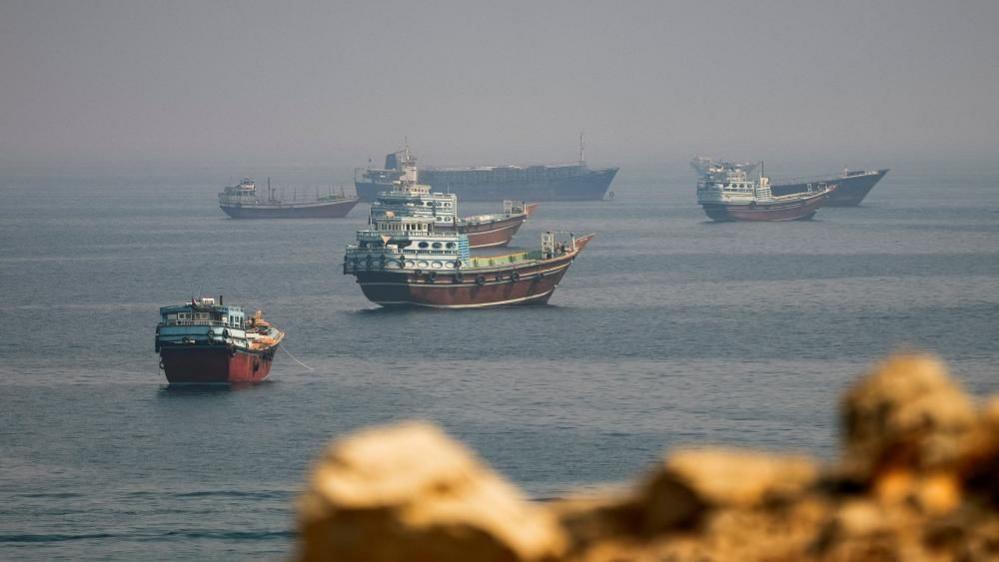
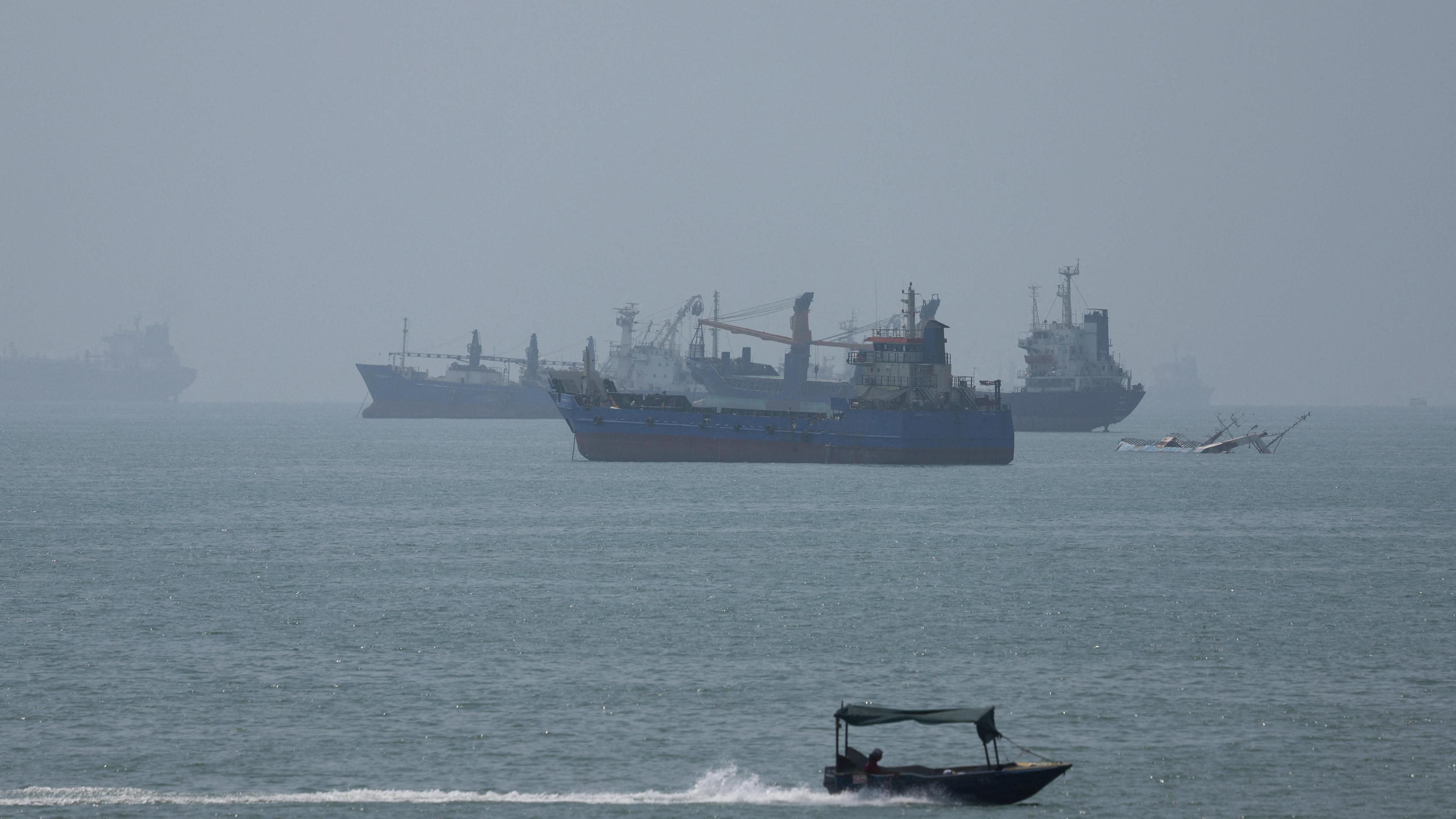
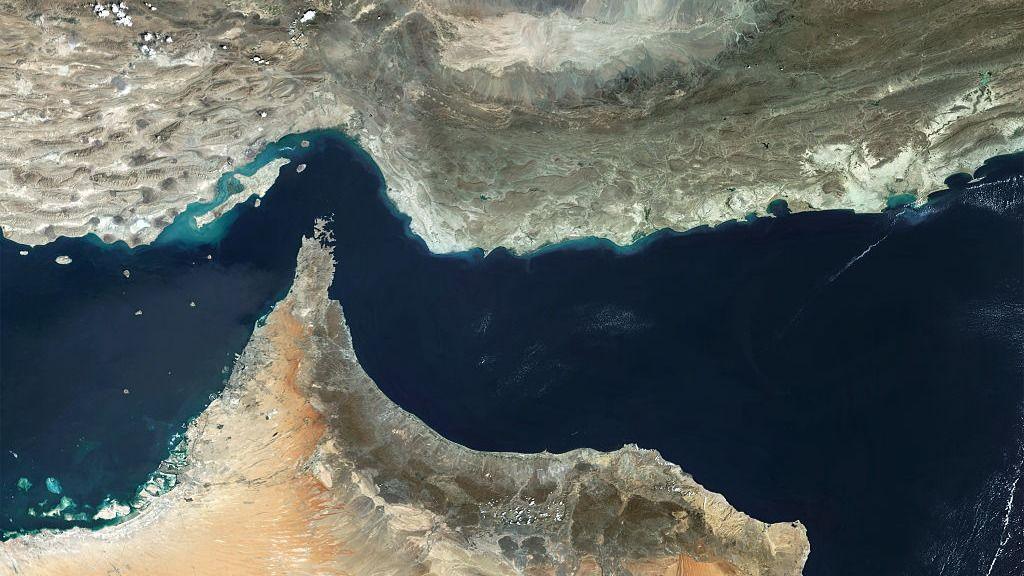
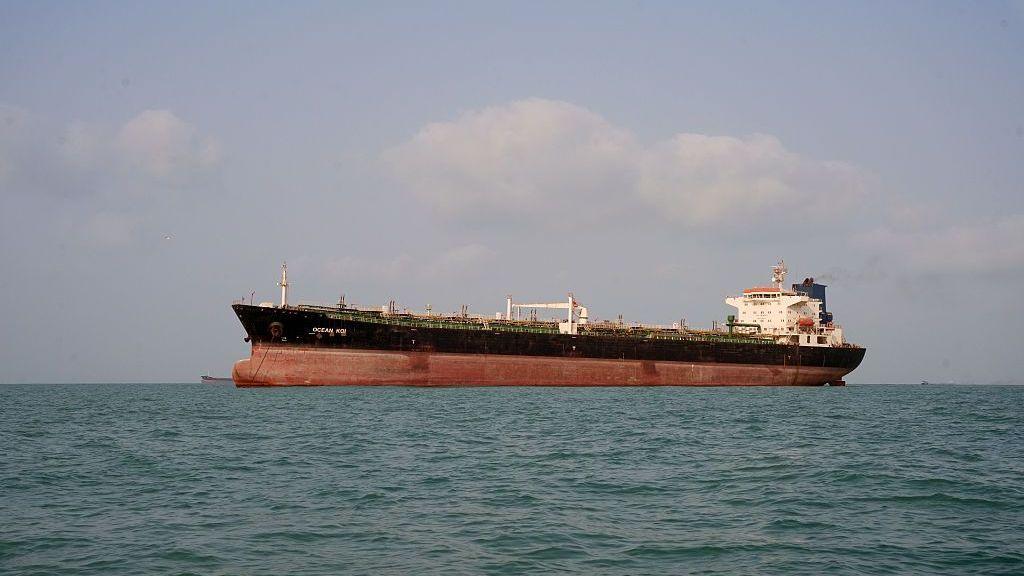
US Central Command (Centcom) says it has permanently disabled a tanker near Kharg Island, permanently disabled another near the Strait of Hormuz and completely destroyed a third in the Gulf of Oman. The action comes after Iran’s Revolutionary Guard Corps reportedly launched ballistic missiles towards a US aircraft carrier and guided‑missile destroyer. Centcom confirmed that American personnel were unharmed.
Iranian state media reported that one of its tankers was struck by US missiles off Kharg Island. Admiral Brad Cooper, Centcom commander, warned the Islamic Revolutionary Guard Corps that further attacks would lead to “an even higher economic cost—taking out three of your” tanker fleet, adding that the US would “not hesitate to defend American forces and, if necessary, destroy Iran’s limited and exposed oil fleet.”
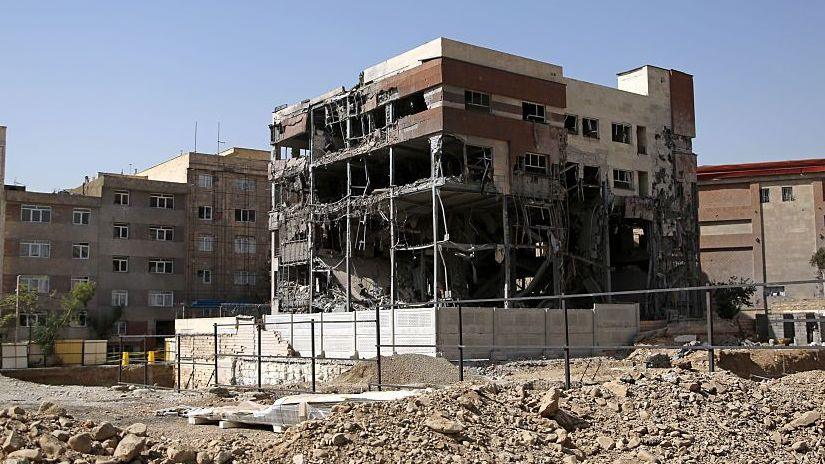
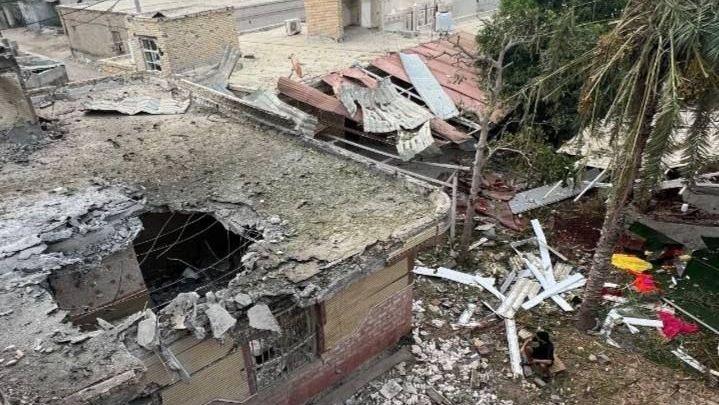
These strikes follow a recent flare‑up after a ceasefire that had temporarily eased tensions in the region. In February, US and Israel launched wide‑ranging attacks on Iran, prompting Iran to retaliate against US bases, Israel and several Gulf countries. The ongoing conflict threatens the security of one of the world’s most vital shipping lanes, where millions of barrels of crude flow daily. It also amplifies concerns over environmental risks such as potential oil spills, air pollution from naval gunfire, and disruptions to marine ecosystems that depend on the Gulf’s fragile bay and reef systems.
Experts argue that protecting the region’s marine and atmospheric health requires a diplomatic solution that addresses security concerns without resorting to direct military engagement. A comprehensive approach would involve reducing naval tensions, ensuring clear maritime safety protocols, and investing in alternative energy strategies to reduce dependence on vulnerable oil delivery routes. Meanwhile, the long‑term climate impact of large-scale ship explosions—particularly the release of soot, nitrogen oxides, and hydrocarbons—highlights how intertwined human warfare and environmental stewardship are in the 21st‑century Middle East.