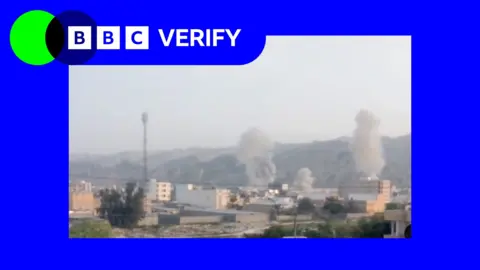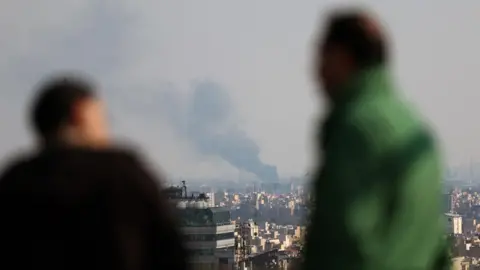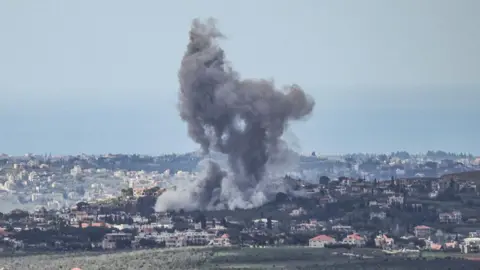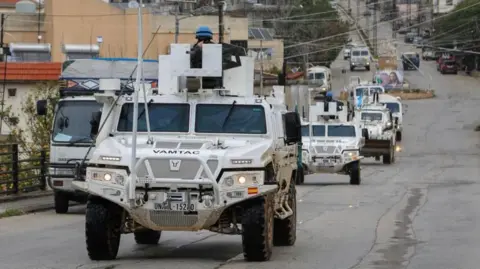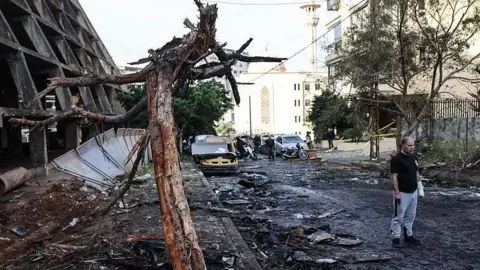
Israel has intensified its attacks on Lebanon this week, targeting areas outside Hezbollah's control. Strikes occurred without warning on a vehicle north of Beirut and in the Jnah neighborhood of the capital.
Attacks also continued in the city's southern suburbs and areas in the south, where Hezbollah holds a significant presence. A building on the airport road was destroyed after an evacuation order, and a health facility was hit, resulting in the death of a paramedic, according to Lebanon's health ministry.
The Israeli military announced it had struck Hezbollah infrastructure in Beirut and killed a senior commander along with another high-ranking member of the Iran-backed group.
Hezbollah has engaged in the ongoing regional conflict since March 2, responding to previous US and Israeli attacks on its Iranian ally.
This week, attacks targeted a vehicle in the predominantly Christian Mansourieh area and struck the heart of Beirut after midnight, as the Al-Zahraa Hospital treated several casualties from the air strike.
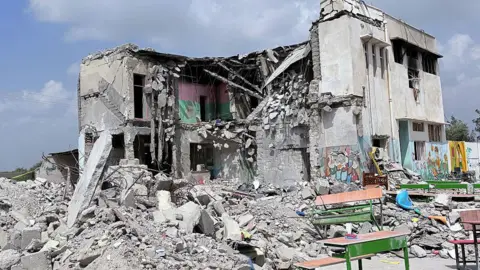
Residents reported hearing multiple explosions and described the fear and confusion that has enveloped their neighborhoods. In the Dahieh area, where Hezbollah is strong, a building was destroyed in a strike following an evacuation order.
As Israeli bombardments continued, at least seven people were reported dead in the south, including the paramedic, with total casualties in Lebanon rising to over 1,200 since the conflict began. The UN reports that more than a million residents have been displaced as a result of the violence.
Israeli Defense Minister Israel Katz stated that Israel's control over southern Lebanon would persist even after the current conflict ends, a claim that has garnered criticism from the UN and heightened fears of prolonged instability.
Although hundreds of thousands have fled the affected areas, many residents, including those in the Christian village of Rmeish, refuse to abandon their homes, with some expressing their determination to stay despite the destruction surrounding them.
The humanitarian situation remains critical as supply lines have been severed and continuous airstrikes render the southern villages increasingly uninhabitable.