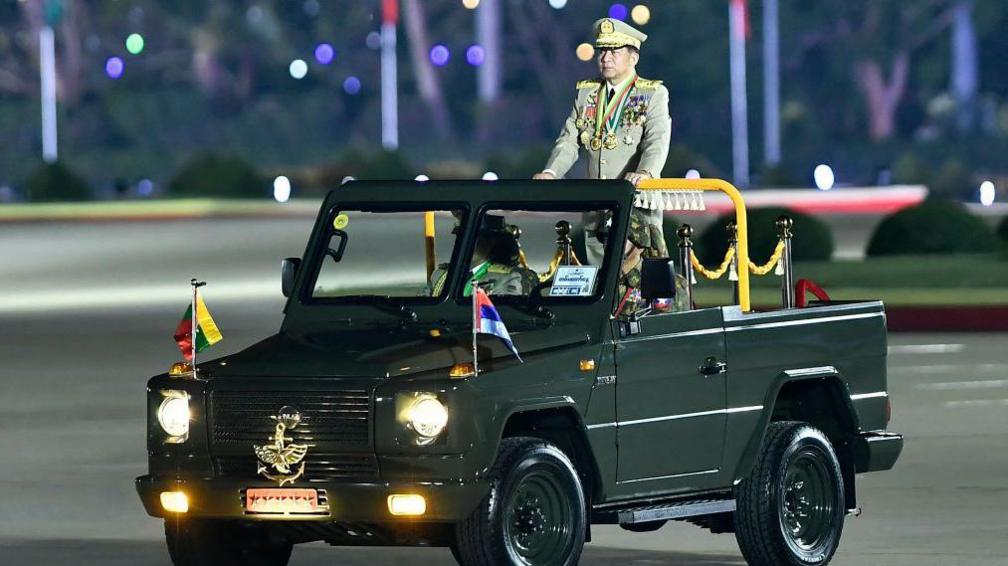
Just seven days after he made the fateful decision to launch his coup against the elected government of Aung San Suu Kyi on 1 February 2021, General Min Aung Hlaing promised to hold elections and return to civilian rule within a year. It has taken him five years to fulfill that promise.
Today, the newly-elected parliament will choose him as the next president. Min Aung Hlaing has already stepped down as armed forces commander, as required by the constitution before he can assume the presidency.
However, this is civilian rule in name only. The parliament is filled with his loyalists, and with the military guaranteed one quarter of the seats and the military's party winning nearly 80% of the remaining ones in a heavily skewed election, this outcome seems preordained. It has been more of a coronation than a legitimate election.
Military influence is expected to dominate the new government, with Min Aung Hlaing ensuring that General Ye Win Oo, a hardliner known for his brutality, replaces him as the head of the armed forces. Furthermore, he has established a new consultative council to oversee both civilian and military affairs, ensuring his grip on power remains firm.
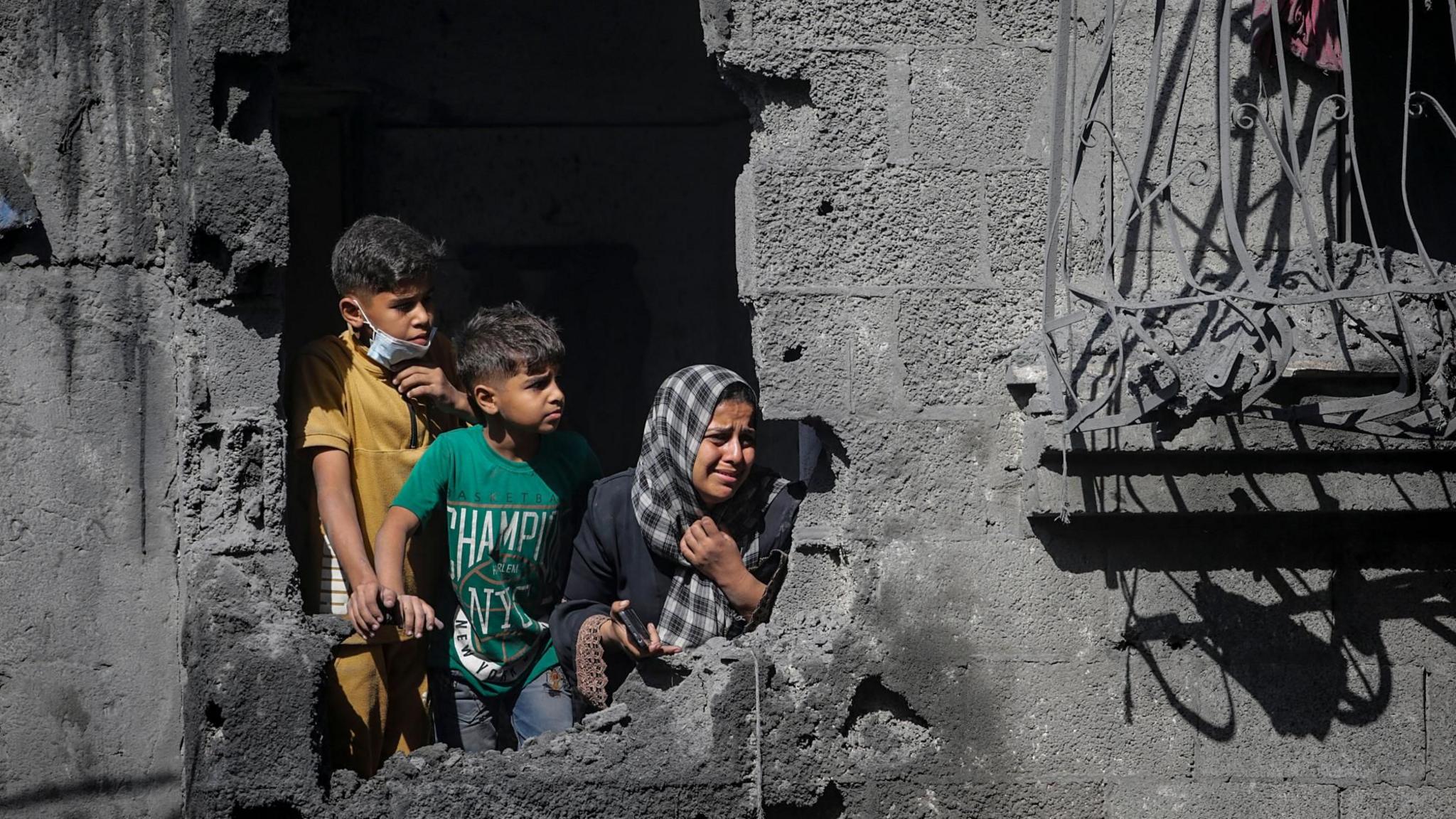
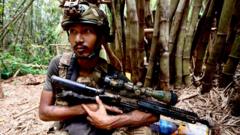
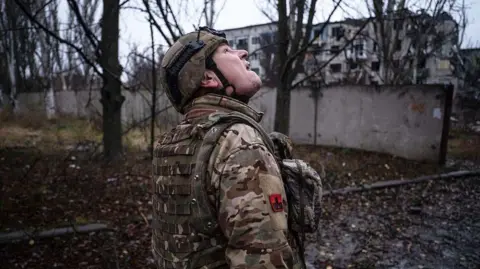
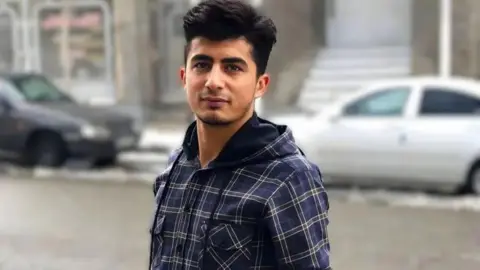
As young activists like Kyaw Win express their despair over the lack of change, the economic situation grows dire. The military's decision to violently suppress mass protests after the coup ignited a civil war that has killed thousands and displaced countless more. The military regime has lost control of many territories, responding with indiscriminate airstrikes against civilians.
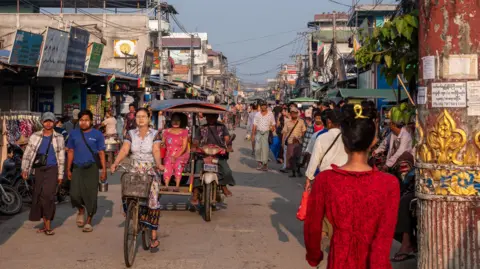
With an economy devastated by ongoing conflict and increasingly dire humanitarian needs—now estimated at over 16 million needing life-saving assistance—Myanmar's people face significant challenges. Fuel shortages, exacerbated by conflict in the Middle East, continue to strain the daily lives of citizens, leading many to lose hope.
The recent election and Min Aung Hlaing's assumption of the presidency highlight that the military's grip remains unchanged, despite international calls for democracy and accountability. As the dust settles on this latest chapter in Myanmar's history, it seems the path toward genuine change remains narrow and obstructed by the very forces that brought the country to its knees.