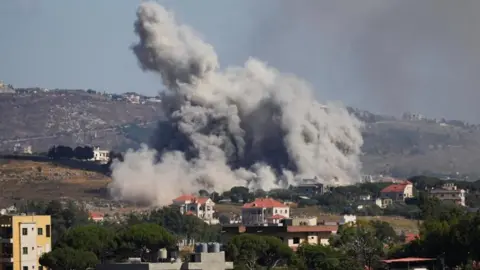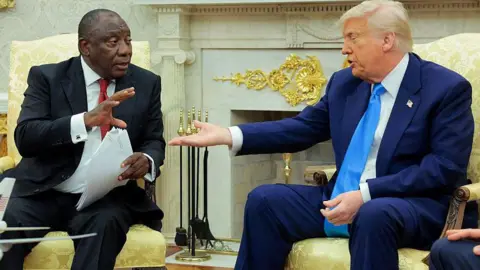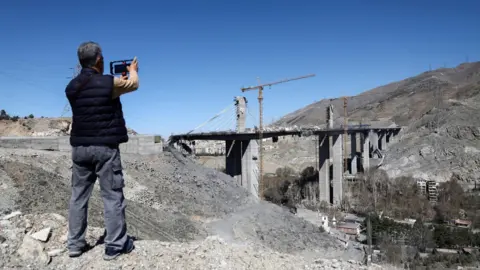
US President Donald Trump has warned Iran that there will be further strikes on infrastructure if its leaders do not agree to American demands to end ongoing conflicts. This was underscored by the recent bombing of a bridge in Karaj, which resulted in the deaths of at least eight people and injuries to nearly 100 others.
Many individuals were enjoying picnics near the under-construction B1 bridge during the Nowruz holidays when it was attacked twice by US military aircraft. Trump's post on social media asserted that the US military had yet to fully unleash its potential against Iran, suggesting more unilateral actions could follow.
Responding to the US strikes, Iranian Foreign Minister Abbas Araghchi asserted that targeting civilian structures would not intimidate the Iranian population into submission. He criticized the act, saying it reflects the moral collapse of an enemy in disarray, while he urged caution regarding Trumps’ threatening rhetoric about reverting Iran to a pre-industrial state.
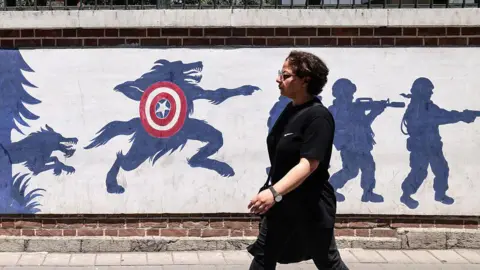
Amidst an ongoing internet blackout that has lasted over a month, citizens inside Iran have managed to reach out through satellite services while expressing their worries of further aggression. One woman, in tears, voiced her helplessness over the attacks, fearing the implications for her country and demanding answers from international leaders.
Concerns also permeated through various demographics within Iran, including individuals who support military action against the regime, showing a growing unease about the strategic implications of the US's recent decisions, as some call for retaliatory measures against US-occupied regions. With the stakes rising, the call for action and the voices of a worried populace highlight the fragility of the current situation.