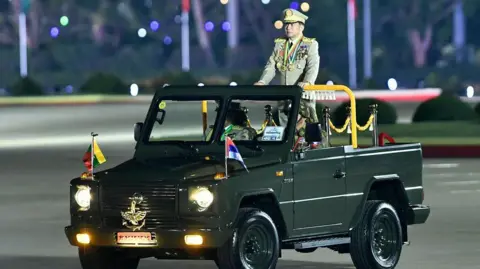
Just seven days after he made the fateful decision to launch his coup against the elected government of Aung San Suu Kyi on February 1, 2021, General Min Aung Hlaing promised to hold elections and return to civilian rule within a year. It has taken him five years to fulfill that promise. Today, the newly-elected parliament chose him as president, a position for which he has stepped down as armed forces commander, as required by the constitution.
However, this is civilian rule in name only. The parliament is filled with his loyalists, and with the armed forces guaranteed one-quarter of the seats, the military's own party, the USDP, won nearly 80% of the remaining seats in a heavily tilted election. More of a coronation than an election, military men will likely dominate the new government.
Min Aung Hlaing has appointed General Ye Win Oo, a hardliner known for brutality, as the new head of the armed forces, ensuring that he maintains a strong influence in the political sphere. Furthermore, a new consultative council has been created, set to oversee both civilian and military affairs, solidifying his grasp on power.
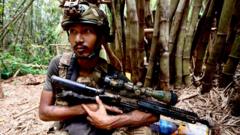
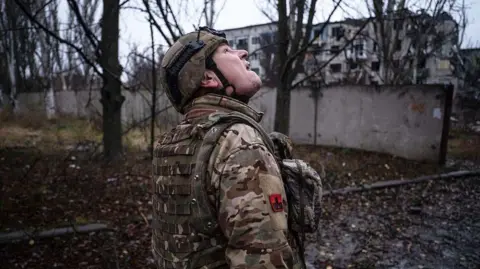
Thus far, Min Aung Hlaing's rule has led to a catastrophic impact on Myanmar. The five years since his coup have been marred by civil war, leading to thousands of deaths and millions displaced. The military has lost control of large areas of the country to armed resistance, prompting devastating air attacks on opposition-held territories.
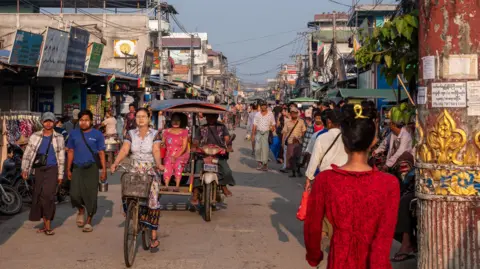
The humanitarian crisis in Myanmar has reached alarming levels, with UN reports indicating over 16 million people in need of life-saving assistance. The country is grappling with severe economic collapse, runaway inflation, and chronic fuel shortages impacting day-to-day life.
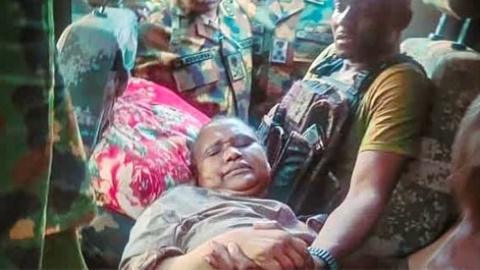
Meanwhile, a new voice advocating for dialogue and compromise within Myanmar's dire political landscape has emerged in the form of veteran activist Mya Aye, who suggests that without selfless negotiation, the country's future remains bleak. He proposes the release of Aung San Suu Kyi as a pivotal step towards reconciling the many factions at play in this turmoil.
Overall, as Min Aung Hlaing enjoys his new title, the fundamental conflict that has engulfed Myanmar continues unabated, marked by brutal military tactics and a disconnect from the needs of its people.
However, this is civilian rule in name only. The parliament is filled with his loyalists, and with the armed forces guaranteed one-quarter of the seats, the military's own party, the USDP, won nearly 80% of the remaining seats in a heavily tilted election. More of a coronation than an election, military men will likely dominate the new government.
Min Aung Hlaing has appointed General Ye Win Oo, a hardliner known for brutality, as the new head of the armed forces, ensuring that he maintains a strong influence in the political sphere. Furthermore, a new consultative council has been created, set to oversee both civilian and military affairs, solidifying his grasp on power.
Thus far, Min Aung Hlaing's rule has led to a catastrophic impact on Myanmar. The five years since his coup have been marred by civil war, leading to thousands of deaths and millions displaced. The military has lost control of large areas of the country to armed resistance, prompting devastating air attacks on opposition-held territories.
The humanitarian crisis in Myanmar has reached alarming levels, with UN reports indicating over 16 million people in need of life-saving assistance. The country is grappling with severe economic collapse, runaway inflation, and chronic fuel shortages impacting day-to-day life.
Meanwhile, a new voice advocating for dialogue and compromise within Myanmar's dire political landscape has emerged in the form of veteran activist Mya Aye, who suggests that without selfless negotiation, the country's future remains bleak. He proposes the release of Aung San Suu Kyi as a pivotal step towards reconciling the many factions at play in this turmoil.
Overall, as Min Aung Hlaing enjoys his new title, the fundamental conflict that has engulfed Myanmar continues unabated, marked by brutal military tactics and a disconnect from the needs of its people.