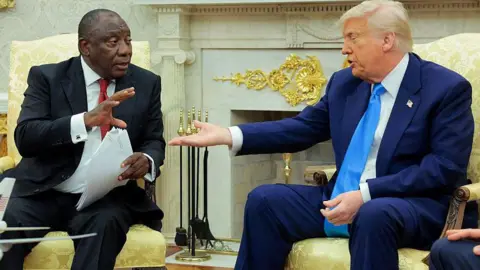
President Donald Trump's televised address from the White House attempted to address ongoing concerns over the Iran conflict but mostly reiterated his prior statements. In his 20-minute speech, Trump proclaimed that the core strategic objectives of the military operation were nearing completion and projected a timeline of two to three more weeks for the conflict. He reiterated threats against Iran, emphasizing a commitment to severely retaliate if necessary.
Despite the urgency of the situation, the president offered little that was new, largely mirroring his prior posts on social media. His efforts to persuade the American public of the war's merits come at a time when disapproval ratings for the military intervention remain high. Trump framed the conflict as an investment in America's future, comparing it to longer historical military engagements.
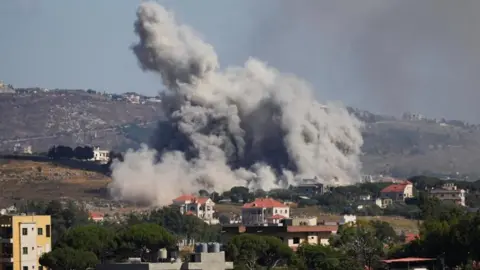
However, his address left many critical questions unanswered. In the midst of ongoing military actions, including strikes by Israel and Iranian counterattacks, it is unclear whether allied governments are aligned with Trump's projected timeline or military strategies. Additionally, there was no mention of a previously proposed 15-point peace plan for Iran, raising doubts about America's negotiating position.
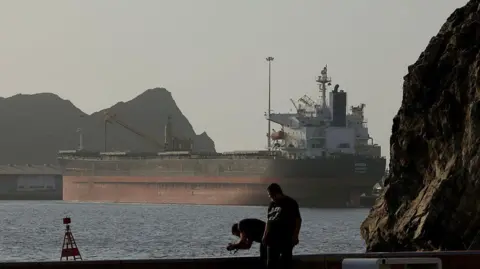
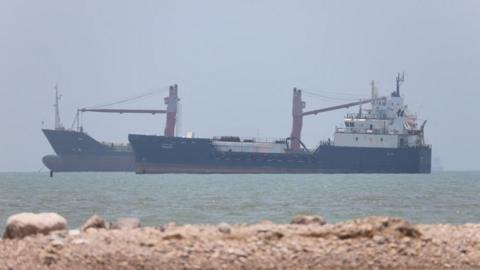
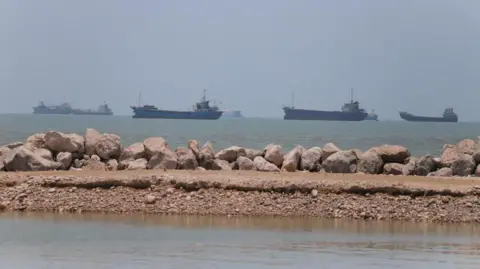
The reopening of the critical Strait of Hormuz was also glossed over, with the president ambiguously stating that it would return to normalcy after the war. Trump’s contradictory comments—one moment urging allies to take action and the next suggesting they sort it themselves—highlight the inconsistencies in his strategy.
As thousands of troops prepare to deploy to the region, questions persist about their purpose amidst unclear war objectives. With gas prices rising and public approval waning, Trump faces mounting pressure to define victory in a war that seems to lack clarity. The economic and political ramifications could be severe with key elections approaching, leaving many to question what the future holds for U.S. involvement in Iran.
Despite the urgency of the situation, the president offered little that was new, largely mirroring his prior posts on social media. His efforts to persuade the American public of the war's merits come at a time when disapproval ratings for the military intervention remain high. Trump framed the conflict as an investment in America's future, comparing it to longer historical military engagements.
However, his address left many critical questions unanswered. In the midst of ongoing military actions, including strikes by Israel and Iranian counterattacks, it is unclear whether allied governments are aligned with Trump's projected timeline or military strategies. Additionally, there was no mention of a previously proposed 15-point peace plan for Iran, raising doubts about America's negotiating position.
The reopening of the critical Strait of Hormuz was also glossed over, with the president ambiguously stating that it would return to normalcy after the war. Trump’s contradictory comments—one moment urging allies to take action and the next suggesting they sort it themselves—highlight the inconsistencies in his strategy.
As thousands of troops prepare to deploy to the region, questions persist about their purpose amidst unclear war objectives. With gas prices rising and public approval waning, Trump faces mounting pressure to define victory in a war that seems to lack clarity. The economic and political ramifications could be severe with key elections approaching, leaving many to question what the future holds for U.S. involvement in Iran.