In brief
In the northeastern Ituri province of the Democratic Republic of Congo, the fear of a rapidly spreading Ebola outbreak intensifies as the World Health Organization acknowledges a possible under-estimation of cases. With over 136 reported deaths and growing fears amongst the population, both local and international health organizations are ramping up their efforts to contain the situation amidst a complex humanitarian and security crisis.
People living close to the epicentre of a deadly Ebola outbreak have expressed profound fear as the World Health Organization (WHO) warns that cases may be spreading faster than originally assessed. One resident from the Democratic Republic of Congo's northeastern Ituri province revealed that infected individuals are succumbing 'very fast', stating, 'Ebola has tortured us.'
The virus has claimed 136 lives in the DR Congo, with over 514 suspected cases reported. One death has also occurred in neighboring Uganda. According to Dr. Anne Ancia from the WHO, continuous investigation is revealing that cases have spread to additional regions.
Research from the London-based MRC Centre for Global Infectious Disease Analysis indicates significant under-detection of cases, estimating that there may already be over 1,000 infections. This modeling suggests that the current outbreak is larger than currently recognized.
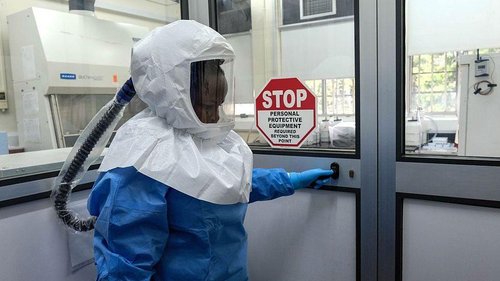
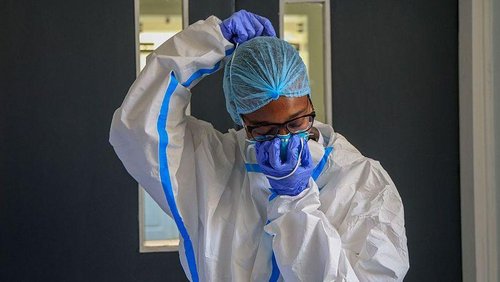
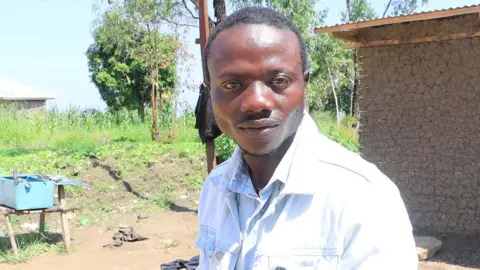
Citizens are taking precautions, such as washing hands regularly, but report a lack of access to protective supplies like face masks. Local resident Alfred Giza conveyed that the community recognizes the danger but feels unprepared for personal responses in the case of exposure.
The situation is further complicated by a lack of healthcare facilities in a region that has endured continuous conflict, leaving hospitals and clinics in disrepair and communities living in unsanitary conditions. More than 11,000 refugees from South Sudan have further strained local resources.
In response to the crisis, DR Congo President Félix Tshisekedi urged citizens to maintain vigilance. WHO chief Tedros Adhanom Ghebreyesus, who declared the outbreak an international emergency, expressed deep concern over both the scale and speed of the epidemic.
Health organizations are rallying resources, with the WHO already mobilizing nearly $4 million to combat the outbreak. Yet, the precarious nature of the area, with ongoing conflicts and a displaced population, presents an enormous challenge in controlling the outbreak.
Meanwhile, regional partners have started improving health security measures, including closing borders and tightening screenings, especially in neighboring countries like Rwanda and Uganda, to mitigate the potential spread of the virus.