There are many reasons why this plan may not succeed. Nevertheless, it represents a rare glimmer of hope for Gaza, a region that has never previously agreed to disarm.
The core bargain of the new proposal is straightforward: as Hamas voluntarily relinquishes its armaments, Israel would retract from the roughly 70 % of Gaza currently under its occupation. This simple sounding exchange is, in practice, entangled with politics, trust deficits, and a war that has devastated infrastructure, water systems, and the local environment.
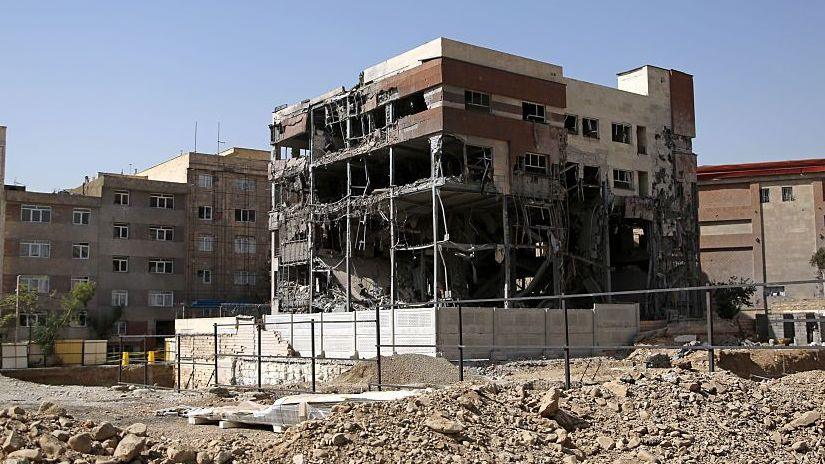
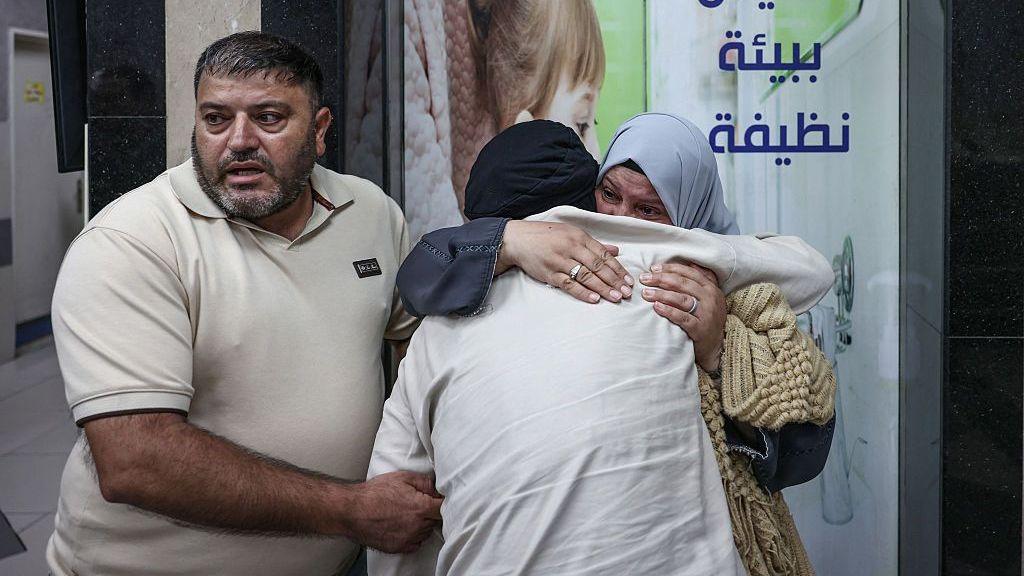
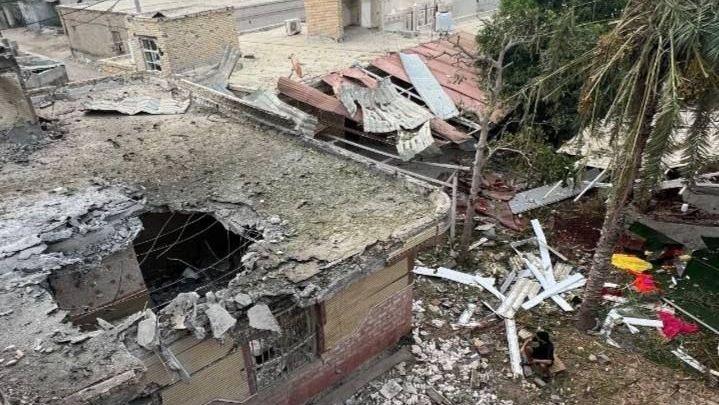
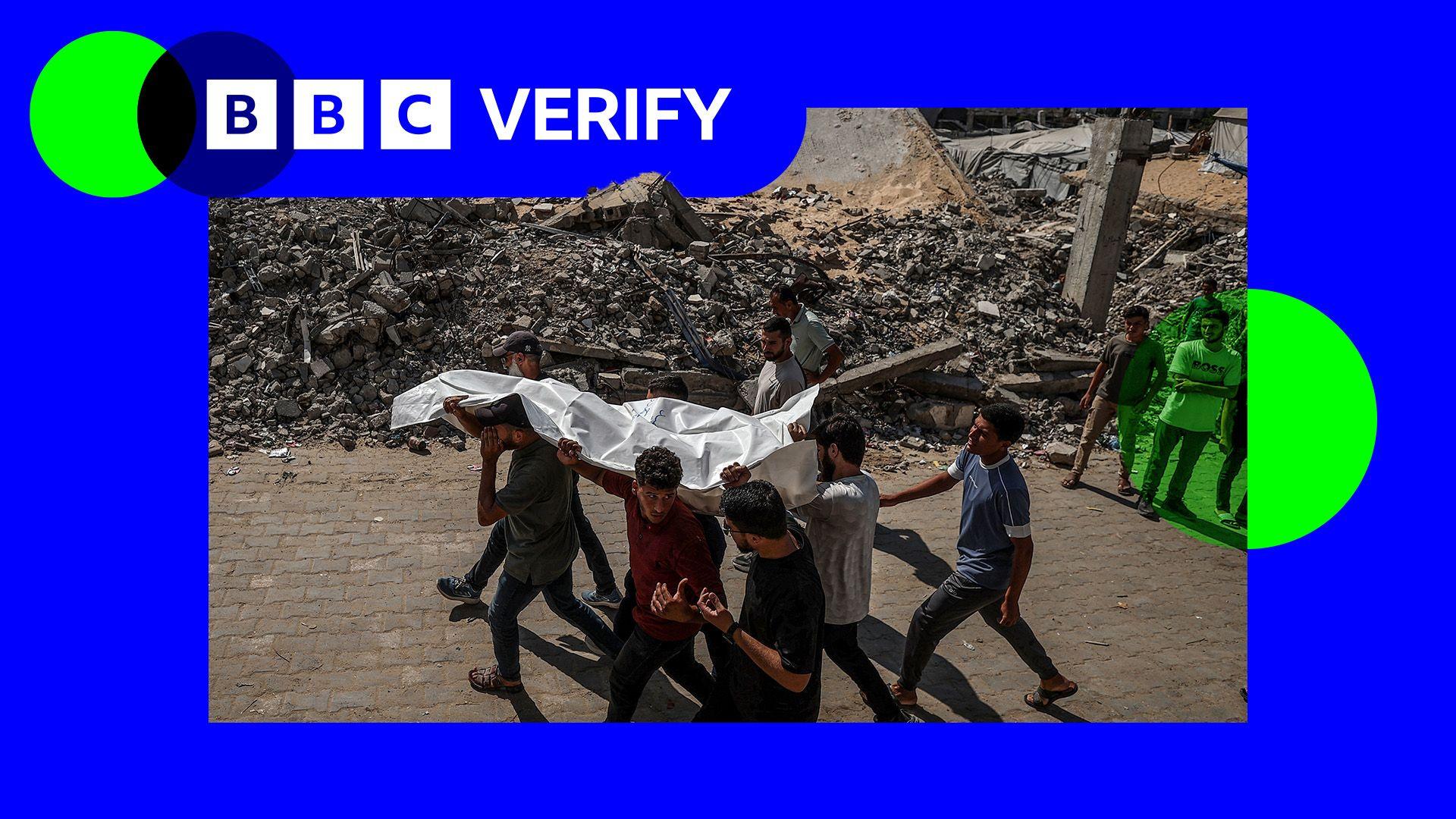
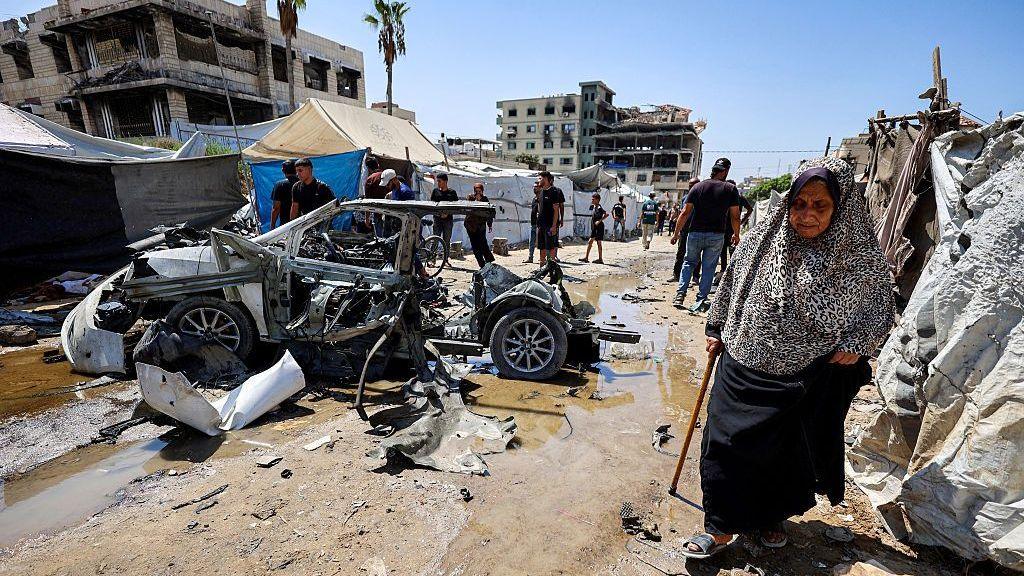
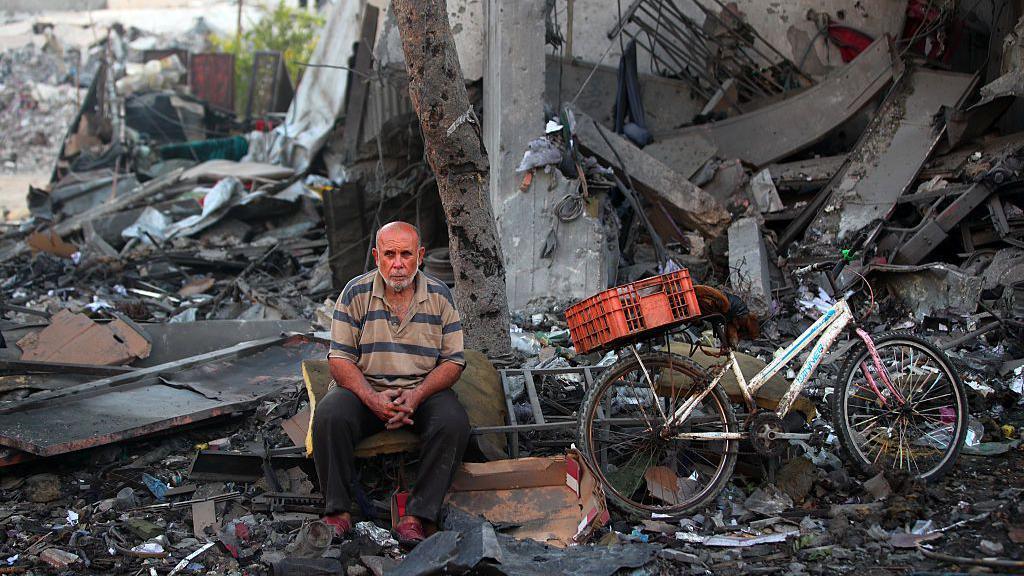
Life in Gaza is now catastrophic for over two million civilians living in constant rubble. Millions of homes are destroyed, water supplies contaminated, and the only flora left has been cultivated under severe scarcity.
Israel’s military operations, coupled with a coordinated civilian demolition program, have left a landscape of shattered buildings and exposed soil, which threatens local biodiversity and has heightened the risk of landslides and flooding.
The political environment is equally precarious. Israel’s public opinion remains heavily weighted toward a hard‑line stance, demanding that Hamas be entirely stripped of weaponry before any withdrawal. Meanwhile, Hamas has faced heavy casualties and leadership losses, yet it is attempting to rebuild grassroots support through social and educational programs that rely on humanitarian aid.
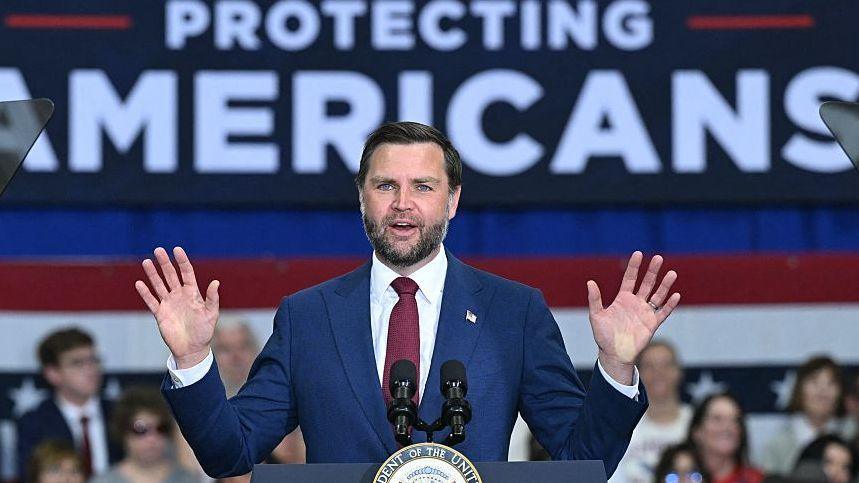
The plan’s viability is linked to international diplomacy. The United States, under candidate Donald Trump, has pledged a 20‑point Gaza peace plan, but the US political landscape is uncertain with midterm elections looming. Meanwhile, Israel’s leader, Benjamin Netanyahu, is fighting a domestic campaign against corruption charges and approaching a national election; his ability to negotiate depends on both internal stability and external pressure from Washington.
- Follow live: Hamas agrees to Trump's plan to disarm in Gaza, official tells BBC, with Israel yet to comment
- Hamas says it has agreed to disarm after Trump announces Board of Peace plan
A step‑by‑step agreement, building confidence through small, verified measures, is the only realistic hope of moving forward. Disarmament would need to be matched by a full, verified withdrawal of Israeli forces and a simultaneous, comprehensive rebuilding strategy that addresses water, energy, and soil health.
If this process stalls, the humanitarian suffering will deepen, and the environmental degradation will continue unchecked. Moreover, a failure will embolden hardline hard‑liners and increase the risk of violent flashpoints that jeopardise any future peace talks.
For Gaza’s residents, any credible path to self‑determination and environmental recovery must include a political horizon, transparency, and sustained international support. A temporary cease‑fire, coupled with a verifiable disarmament agenda, could pave the way for resilient communities that can rebuild sustainably, restore ecosystems, and protect the planet for future generations.