Just over two years ago, when Sheikh Hasina won an election widely condemned as rigged in her favor, it was hard to imagine her 15-year grip on power being broken so suddenly, or that a rival party that had been virtually written off would make such a resounding comeback.
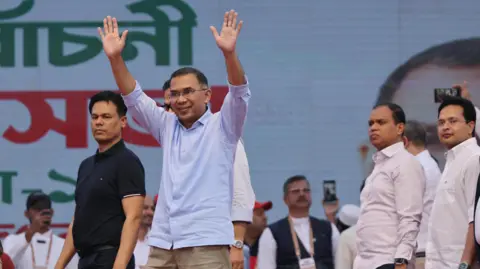
But in the cycle of Bangladeshi politics, this is one more flip-flop between Hasina's Awami League and the Bangladesh Nationalist Party (BNP), which have alternated holding power for decades. This is the first time that new BNP leader Tarique Rahman is formally leading the party - and the first time he's contested an election.
His mother Khaleda Zia, who died of an illness late last year, was the party's head for four decades. She took over after his father, Ziaur Rahman, the BNP founder and a key leader of Bangladesh's war for independence, was assassinated.
Accused of benefitting from nepotism when his mother was in power, Tarique Rahman has also faced allegations of corruption. Five days before his mother died he returned to Bangladesh after 17 years of self-imposed exile in London. While Rahman, 60, has been a de-facto chair of an emaciated BNP during his mother's imprisonment and illness, he is viewed as an untested leader. Political scientist Navine Murshid suggests that his lack of experience could be an asset: People are willing to give change a chance; they want to think that new, good things are actually possible. So there is a lot of hope.
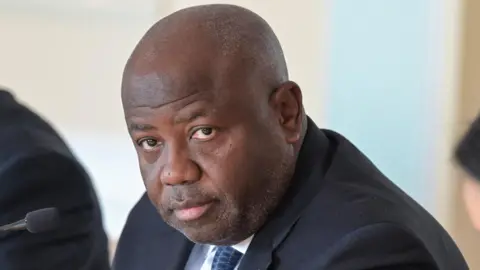
The BNP's first priority after this election victory is to restore democracy. Senior BNP leader Amir Khasru Mahmud Chowdhury stated that the focus would be on rebuilding the democratic and financial institutions that have deteriorated over the last decade. However, the history of broken promises remains a concern, as past governments have often become authoritarian once in power.
The enthusiasm of the young voters, particularly those who participated in the 2024 July uprising that ousted Hasina, sets a different tone this time. We don't want to fight again, says Tazin Ahmed, a new voter. Our victory is when our country runs smoothly without any corruption, and the economy becomes good. Her cousin, Tahmina Tasnim, echoed her sentiments, emphasizing the importance of unity and stability.
The incoming administration will face immense challenges, including restoring law and order, reviving the economy, and addressing rising food prices. Sociologist Samina Luthfa notes that all parties lack experience in governing amidst a new assembly of leaders, many of whom have never set foot in parliament before. The Islamist party Jamaat-e-Islami recorded significant wins, while its ally, the National Citizens Party, formed by participation from the younger generation, is making its parliamentary debut.
While this election showcased competition absent in previous polls, the exclusion of the Awami League casts doubt on its legitimacy. Although public sentiment is against Hasina, the future remains poised for unpredictable developments, as Bangladesh's historical legacy of political upheaval may provide the Awami League with an opportunity for resurgence.