In brief
In light of shifting geopolitical dynamics, African leaders are urged to forge a collective strategy to avoid being sidelined in international negotiations. With crucial bilateral deals emerging, particularly in the mineral sector, concerns grow over the continent's ability to maintain agency and secure equitable partnerships. Key discussions at the summit in Addis Ababa signal a pivotal moment for African nations to assert their interests and redefine their position in the global economy.
Africa's heads of state are gathering in the Ethiopian capital, Addis Ababa, for their annual meeting as the continent's place in the world becomes increasingly uncertain. Prime Minister Mark Carney of Canada recently likened international relations to a choice: leaders must either take a seat at the table or find themselves on the menu.
For Africa's leaders, long battling for a position of importance in global affairs, this analogy rings true. Under the presidency of Donald Trump, the trend toward great-power dominance has marginalized multilateralism and pushed Africa into a less favorable position in global priorities.
The latest U.S. security strategy suggests that not every region receives equal attention, hinting at a shift away from Africa. As the world navigates through evolving relationships, African nations must re-evaluate their dependence on global institutions like the UN and the World Bank.
With the urgency mounting, experts emphasize the need for a unified approach among African nations. Tighisti Amare from Chatham House warns that without a cohesive strategy, countries risk being left behind amidst growing bilateral deals that bypass collective bargaining.
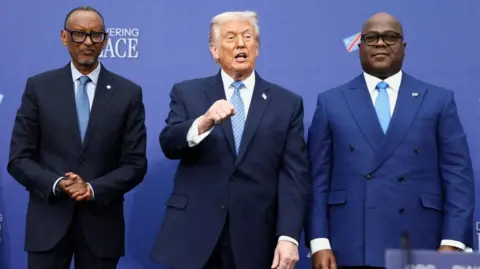
Recent bilateral accords, especially related to Africa's mineral resources, indicate that the U.S. is securing advantages that may undermine continental interests. Deals such as the one made with the Democratic Republic of Congo focus on building supply chains for critical minerals, yet they reflect a transactional approach that may not benefit African economies effectively.
As Ghana's President John Mahama advocates for a proactive response, he identifies an inflection point where Africa must strive for self-determination rather than rely on traditional partners. His calls for a new direction center on regional cooperation, industrialization, and improved skills to enhance negotiations with external partners. However, to actualize these aims, African leaders need to prioritize regional interests and possess the diplomatic expertise necessary to navigate complex international relations.
Thus, the upcoming summit not only poses challenges but also presents an opportunity for Africa to assert its agency, define its role in the new global order, and ensure that it isn't merely a player on the menu but a significant contributor at the table.