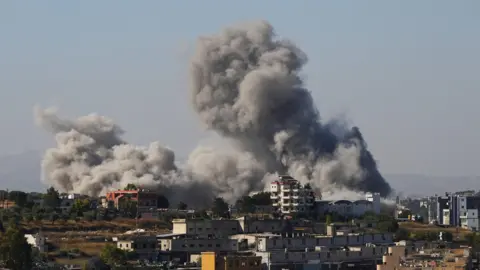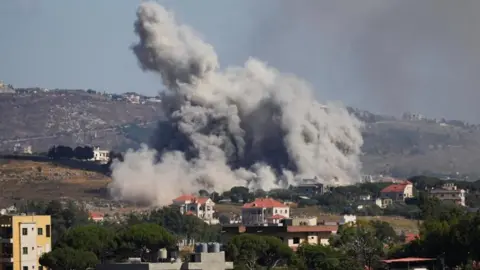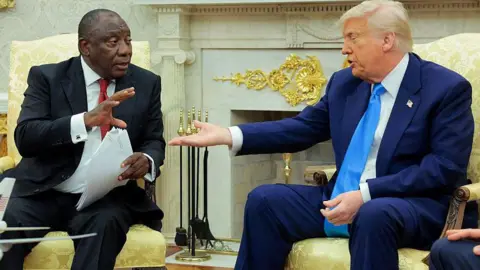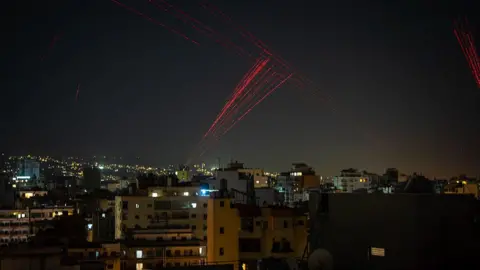
US President Donald Trump has announced that the leaders of Israel and Lebanon have agreed to a 10-day ceasefire, effective from midnight local time on April 16. This ceasefire comes in the wake of ongoing hostility between Israel and the Iran-backed militant group Hezbollah, with whom Israel has seen significant conflict in recent weeks.
Trump's statement did not mention Hezbollah directly; however, he later urged the group to adhere to the ceasefire, indicating his hope for cooperation during this critical period. Following this initiative, Trump invited Israeli Prime Minister Benjamin Netanyahu and Lebanese President Joseph Aoun to Washington for further discussions.
Ceasefire Agreement Details
The ceasefire is structured to last 10 days but may be extended by mutual agreement should progress in negotiations be evident. U.S. State Department details reveal that:
- Israel reserves its right to self-defense against imminent threats.
- Lebanon must take concrete steps to prevent Hezbollah and other armed groups from attacking Israeli targets.
- Both parties acknowledge that Lebanon's security forces will have exclusive authority over security in Lebanon.
Israeli leaders view this ceasefire as a potential stepping stone towards a historic peace agreement, while Lebanese officials express hopes for the safe return of those displaced by the violence.
Reactions from Various Parties
Both Israeli and Lebanese leaders have expressed optimism about the ceasefire. Netanyahu has emphasized that this is a moment for peace, while Prime Minister Nawaf Salam hopes it will facilitate the return of displaced individuals. Meanwhile, Hezbollah has indicated a willingness to comply but insists that the ceasefire should involve a complete halt to attacks and restrictions on Israeli troop movements.
The ceasefire has also received international endorsements, with the UN Secretary-General and the European Commission expressing hopes for lasting peace and adherence to Lebanon's sovereignty.
Israel's Security Zone
Despite the ceasefire, Netanyahu affirmed that Israeli troops would maintain a 10-kilometer buffer zone in southern Lebanon, asserting its necessity to guard against possible incursions.
Negotiation Outcomes and Future Implications
The announcement followed direct talks held in Washington, which involved discussions between Israeli and Lebanese officials. Although there were hints of Hezbollah's conditions for the ceasefire, Trump’s statement did not confirm the group's direct involvement in the negotiations.
This ceasefire could have profound implications for the ongoing hostilities and the regional balance of power, especially given the complexities surrounding Iran's involvement and the multitude of armed factions operating within Lebanon.
As tensions persist and historical grievances are echoed in the backdrop of this conflict, the world watches to see if this ceasefire can transform into lasting peace and stability in the region.