Brazil’s Election Sparks Climate‑Policy Crossroads
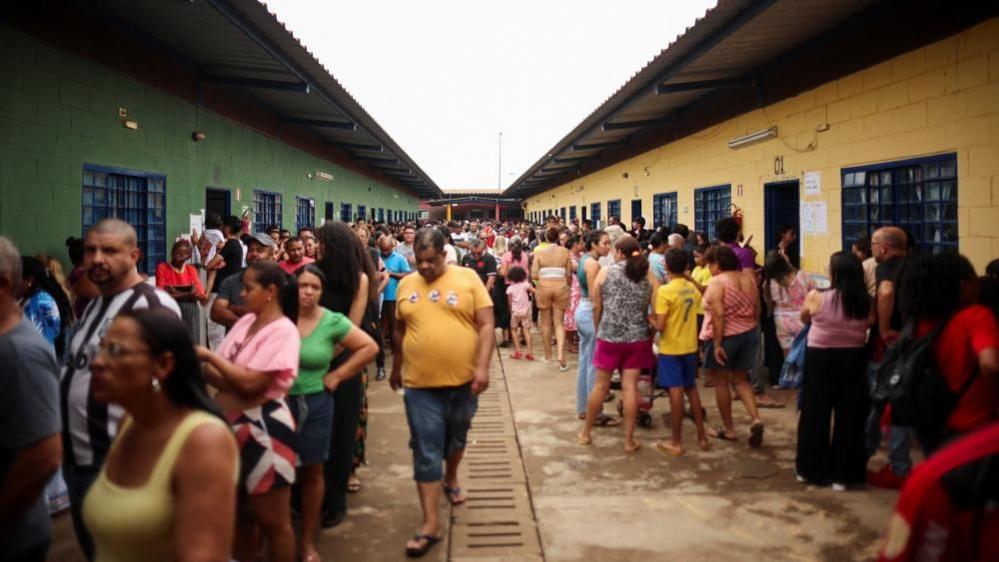
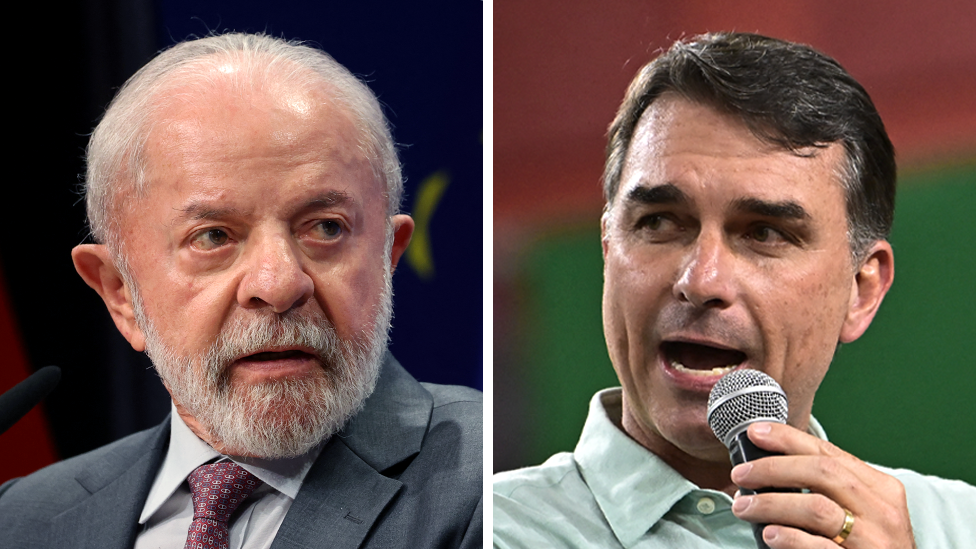
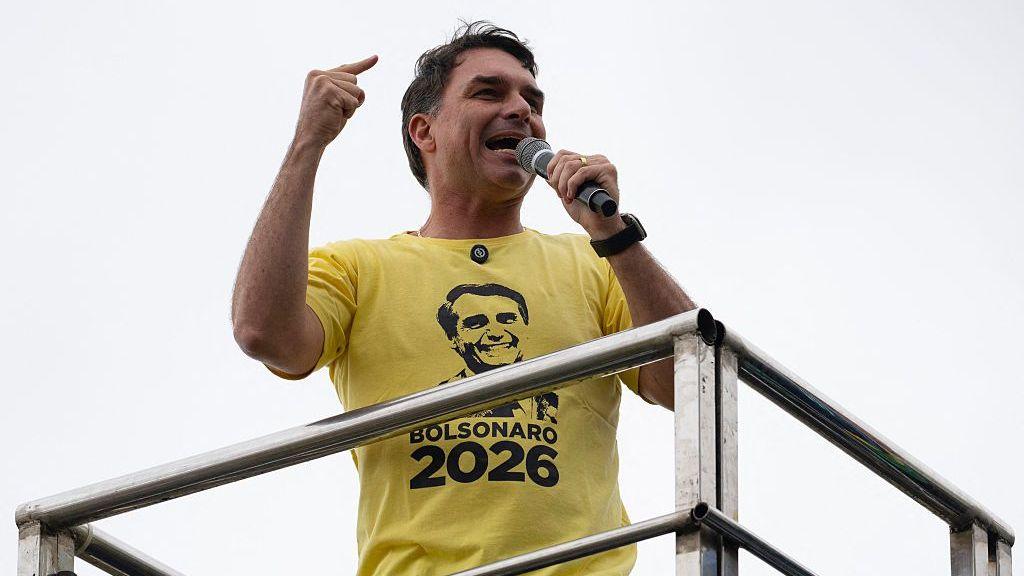
The first round of Brazil’s presidential vote saw Flávio Bolsonaro—son of ex‑President Jair Bolsonaro—win 56.1 million votes against 53.8 million for incumbent Luiz Inácio Lula da Silva.
Bolsonaro’s victory is a clear illustration of a growing right‑wing wave in Latin America. His campaign capitalised on public frustration with Lula’s administration, positioning himself as a dynamic candidate who will revert policies he framed as “unnecessary regulations.” This reactionary stance raises concerns about Brazil’s environmental future, particularly in the Amazon, where Bolsonaro’s former government had rolled back conservation controls.
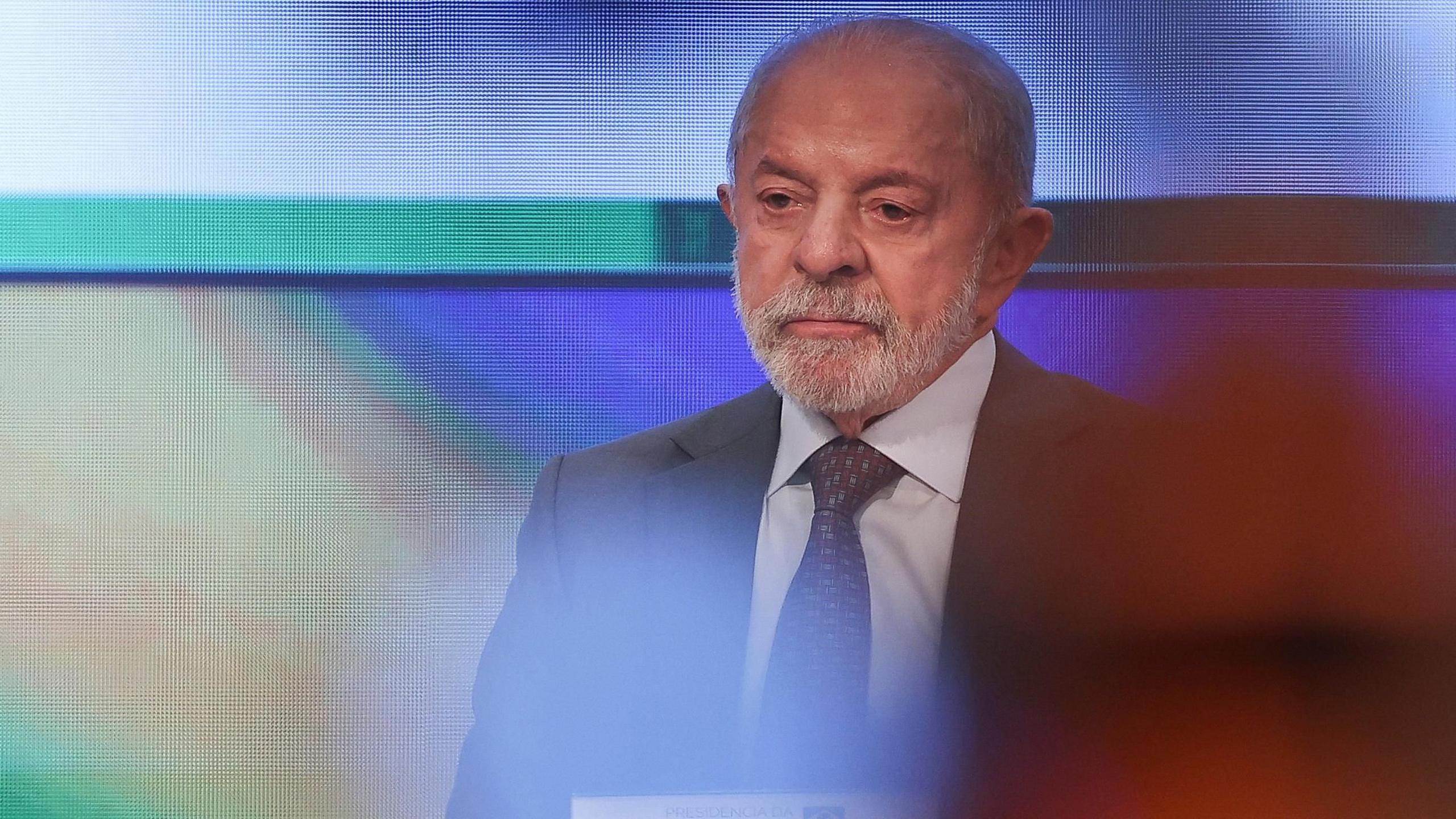
Lula’s tenure has been marked by aggressive environmental action: he expanded protection of the rainforest, tightened deforestation monitoring, and re‑enforced the 2018 ban on converting protected areas. Yet, his rejection rate climbed to 49 % as polls showed that 48 % of voters approved of his government. The economic data—a low 5.3 % unemployment rate and rising average income—do not fully reflect public sentiment about living conditions or governance.
Brazil’s environmental portfolio under Lula also included a 15 % increase in the Bolsa Família welfare program and a crackdown on online gambling, which had been linked to fiscal losses through addiction. These measures aimed to alleviate socio‑economic pressures that can drive population pressure on the rainforest. Bolsonaro’s success suggests a shift away from these progressive policies, potentially leading to relaxed enforcement of deforestation limits and a return to more resource‑extraction friendly legal frameworks.
The election outcome could significantly impact Brazil’s commitments under the Paris Agreement. A Bolsonaro‑led administration may revisit the 2020 Amazon protection law, a cornerstone of global carbon buffering. With Amazonian carbon sinks and global biodiversity on the line, the international community is monitoring Brazil’s next steps closely.
While Lula still has a path to the second round, his ability to reverse the deficit remains unprecedented. The politics of environmental stewardship will further intensify, influencing not only Brazil’s domestic agenda but also the trajectory of global climate mitigation efforts.