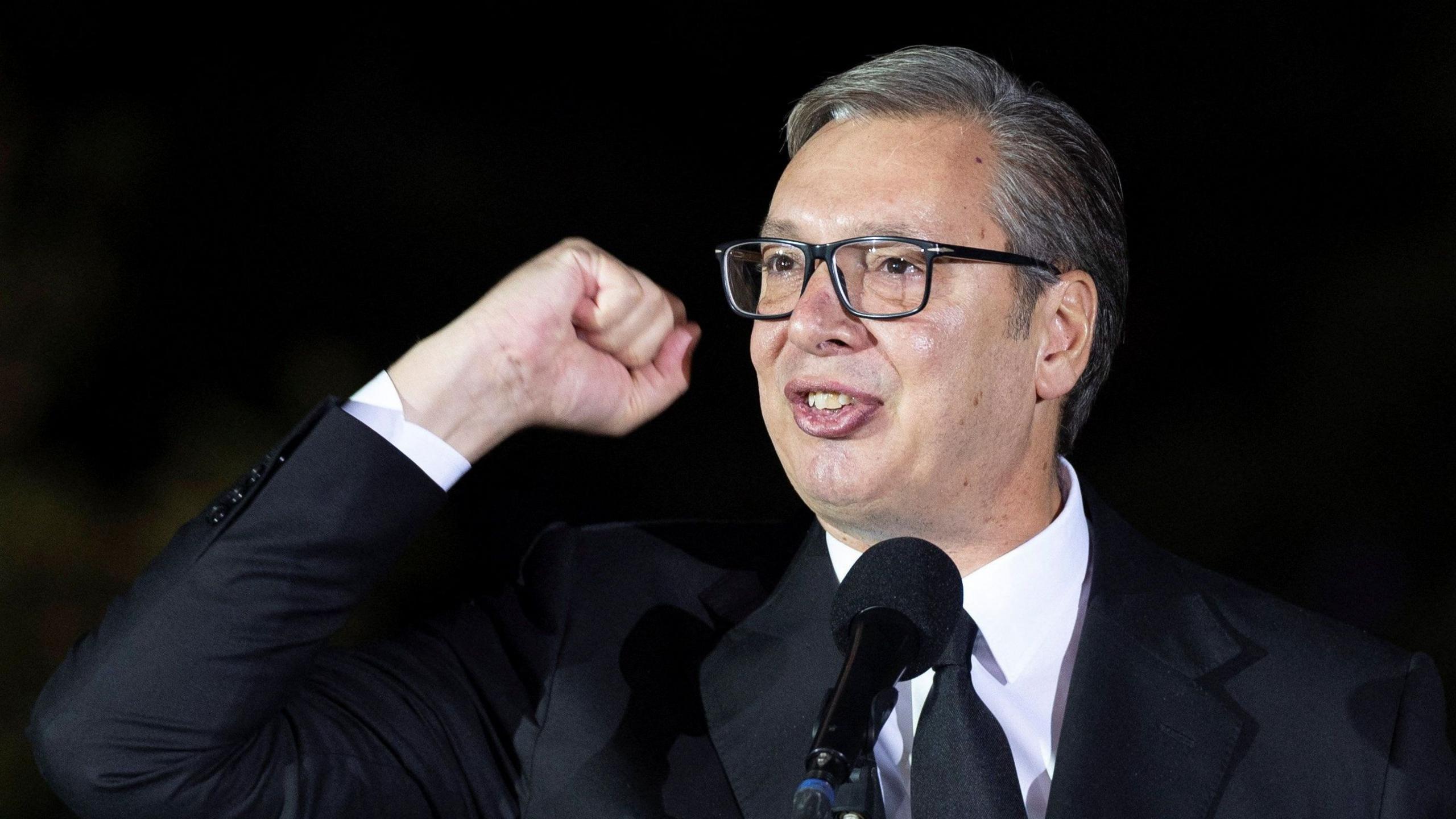
Aleksandar Vucic is stepping down as Serbia’s president after a year of protests triggered by the 2024 collapse of the Novi Sad railway station and mounting corruption allegations.
His departure compels the country to hold a presidential election within three months, while a snap parliamentary election is slated for late October, creating a double electoral turn‑over before year’s end.
During his nine years, Vucic promoted Serbia’s trajectory toward EU membership, a pathway that coincides with meeting rigorous climate and environmental standards required for accession.
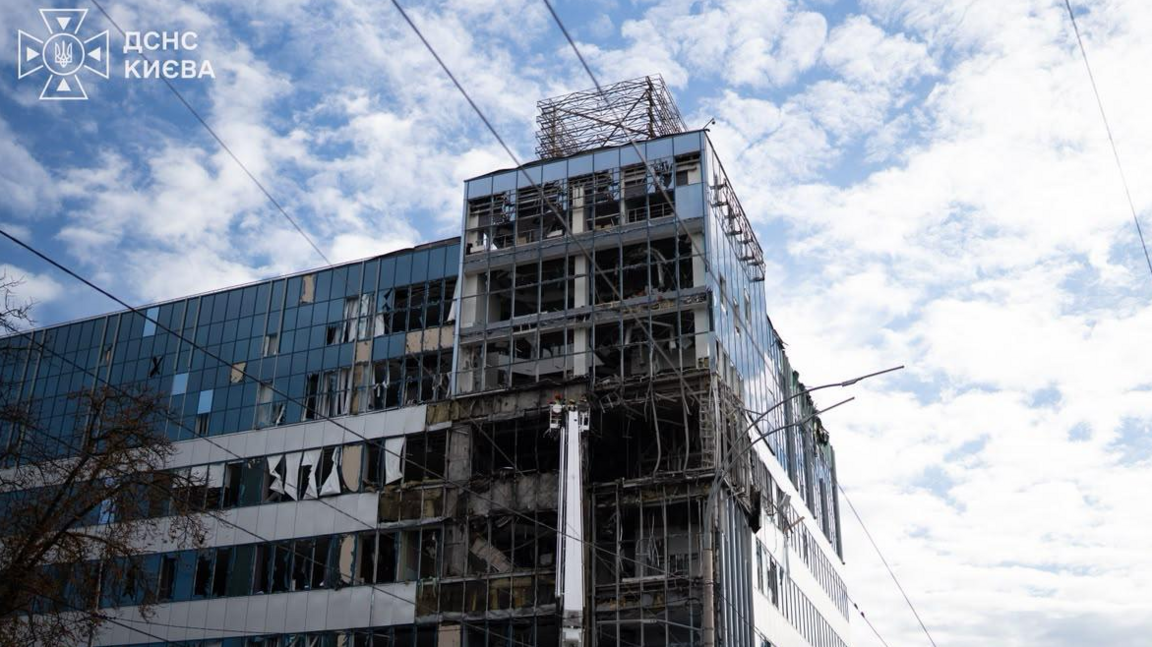
Student activists, teachers, workers and farmers have used the aftermath of the station tragedy to press for transparency, demanding that infrastructure projects be executed with safety clearances and environmental stewardship.
The resignation could tip the balance between pro‑Russian ties and a pivot to the West, potentially reshaping Serbia’s climate cooperation with both Russia and the EU.
After resigning, Vucic pardoned 49 citizens – including student protesters and loyalists – as part of a last‑ditch effort to restore public trust amid accusations of police brutality.
Interim President Ana Brnabić, a member of the Progressive Party, will serve as acting leader until a new president is elected, ensuring continuity while the political climate faces unforeseen changes.
Serbia’s forthcoming parliamentary contest will pit the Progressive Party against the anti‑corruption Students Win coalition and the pro‑EU European Serbia group, widening the debate on reforms, including environmental and climate priorities.