
Argentina’s President Javier Mile I has warned that the British government will face international arbitration unless it stops the Sea Lion oilfield project, a joint venture of Israeli and British firms, within two weeks.
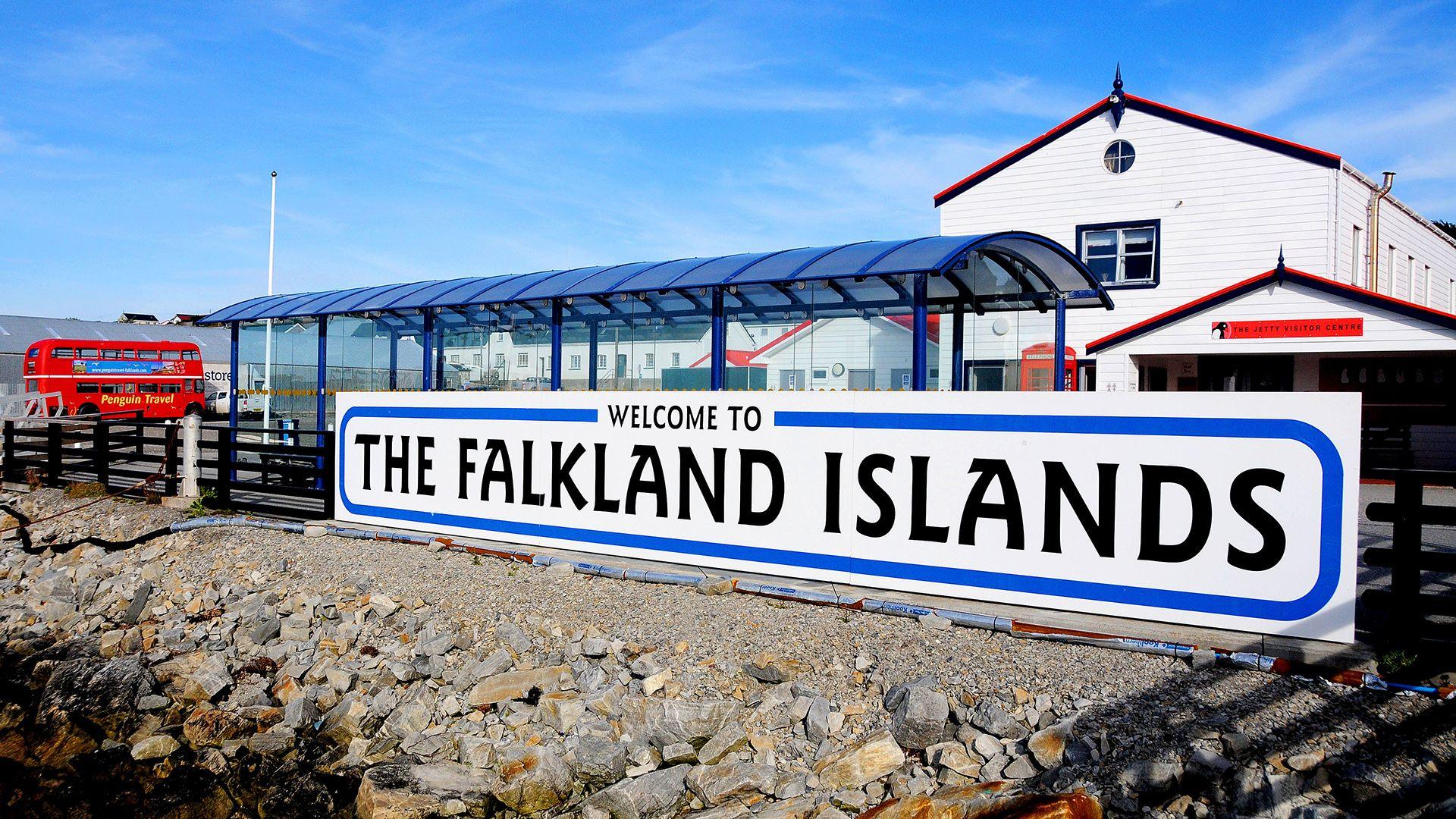
In a series of tweets and a post on X, Mile I demanded that the South American nation scrap the exploration activity 40 km from the Falkland Islands, calling it "illegal plundering."
Sea Lion claims hold an estimated 1.7 billion barrels of oil, and companies say they have licences issued by the Falklands, but the project sits on waters the Argentine government asserts fall under its jurisdiction.
The dispute echoes the 1982 Falklands War, which ended with Britain's victory and reinforced its sovereignty claim—a claim that Argentina continues to contest amid its own constitutional and diplomatic pressures.
Should the UK refuse to comply, Mile I has instructed the Foreign Ministry to bring the case before the International Tribunal for the Law of the Sea in Hamburg, an independent body that adjudicates maritime legal matters.
He criticised the UN as "a useless organisation" after its inaction over the islands’ sovereignty and warned that the region could become a "clear and present danger" if the project proceeds.
UK Defence Secretary Wes Streeting denied Argentina’s threat, arguing that it lacks "the ability" to seize the Falklands by force and reaffirmed Britain’s commitment to the islands’ existing political status.
Opponents of the Sea Lion operation cite risks to marine ecosystems, including potential oil spills that could devastate the rugged, life‑rich marine biodiversity of the Patagonian shelf.
In the coming weeks, the legal showdown could set a precedent for how fossil‑fuel projects in contested waters are governed, raising questions for the broader push toward a more sustainable, low‑carbon future.