US Trade Ban on Canadian Alcohol Fuels Debate Over Food Sustainability

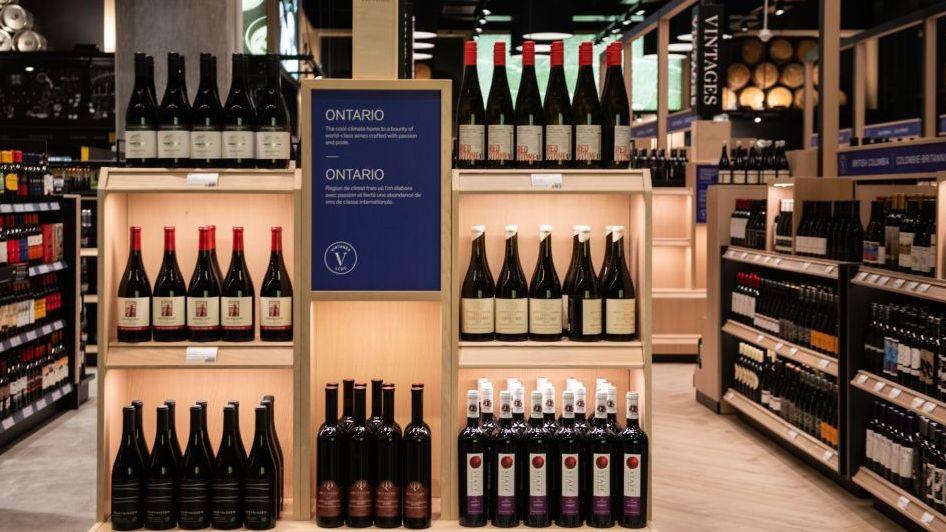
The United States has imposed a comprehensive ban on Canadian imports of alcohol, dairy and motorcycles, the latest retaliation after Canada placed tariffs on a range of U.S. goods. The order, signed by the Trump administration, covers nearly C$1 billion ($710 million) worth of Canadian liquor and whey products destined for the U.S.
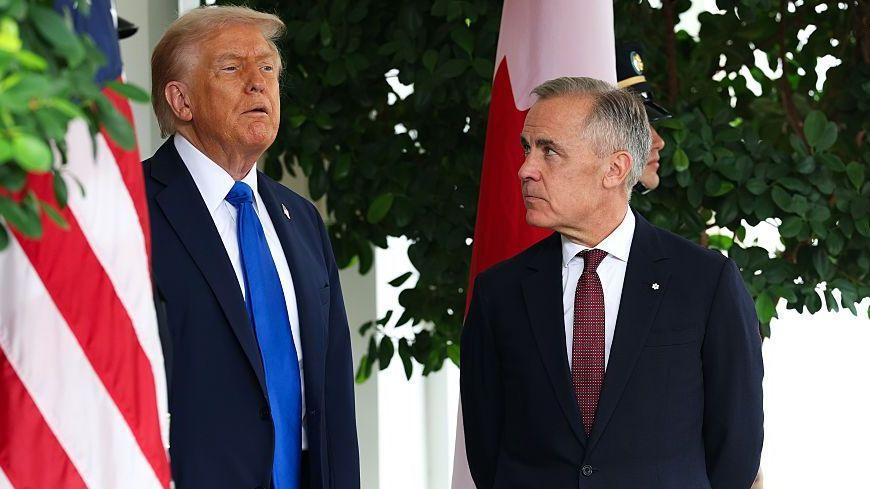
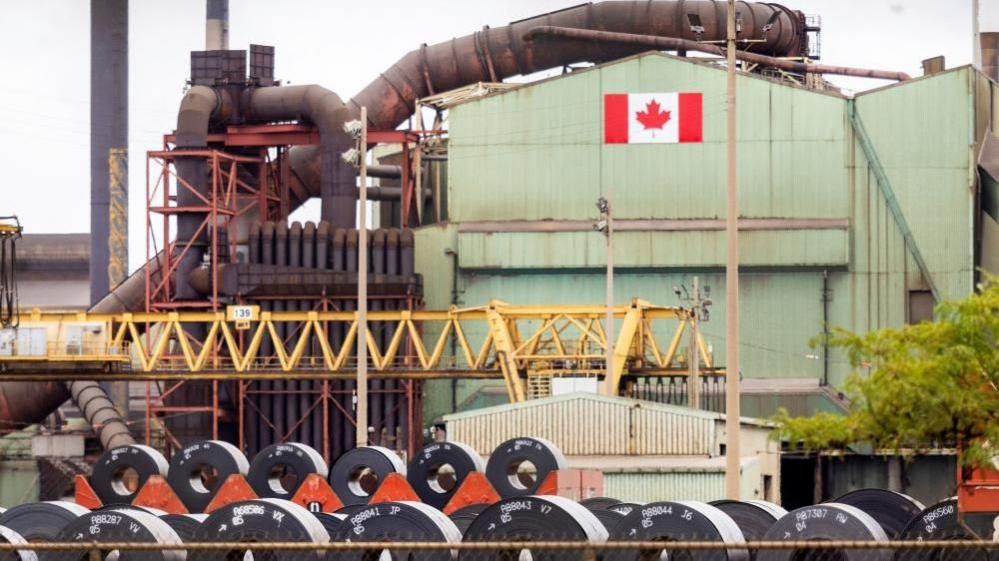
Canadian Prime Minister Mark Carney has declared the impact modest, but industry groups such as Spirits Canada warn that the ban could have significant consequences for producers and the broader supply chain. The restriction follows a broader pattern of U.S. tariffs that include 50% duties on dairy, alcohol, steel and aluminium, and 25% on Canadian‑built vehicles.
While trade officials claim the measures are “face‑saving” and politically motivated, economists argue that punitive tariffs drive up consumer prices and disrupt the integration of low‑carbon food systems across North America. Dairy and wine production in Canada is already marketed as climate‑conscious, with many farms using low‑emission practices, and the new restrictions threaten both economic viability and environmental progress.
The ban also brings uncertainty to an economy heavily reliant on U.S. markets; Canada’s trade dependency is among the highest in the world. For farmers and craft producers, the decision signals a potential loss of markets, while consumers may face higher costs and reduced product diversity.
For the full industry response, see the Spirits Canada statement.
As the trade war drags on, the United States and Canada must navigate the delicate balance between economic protectionism and the collective goal of building resilient, low‑carbon food systems that can withstand geopolitical shocks.