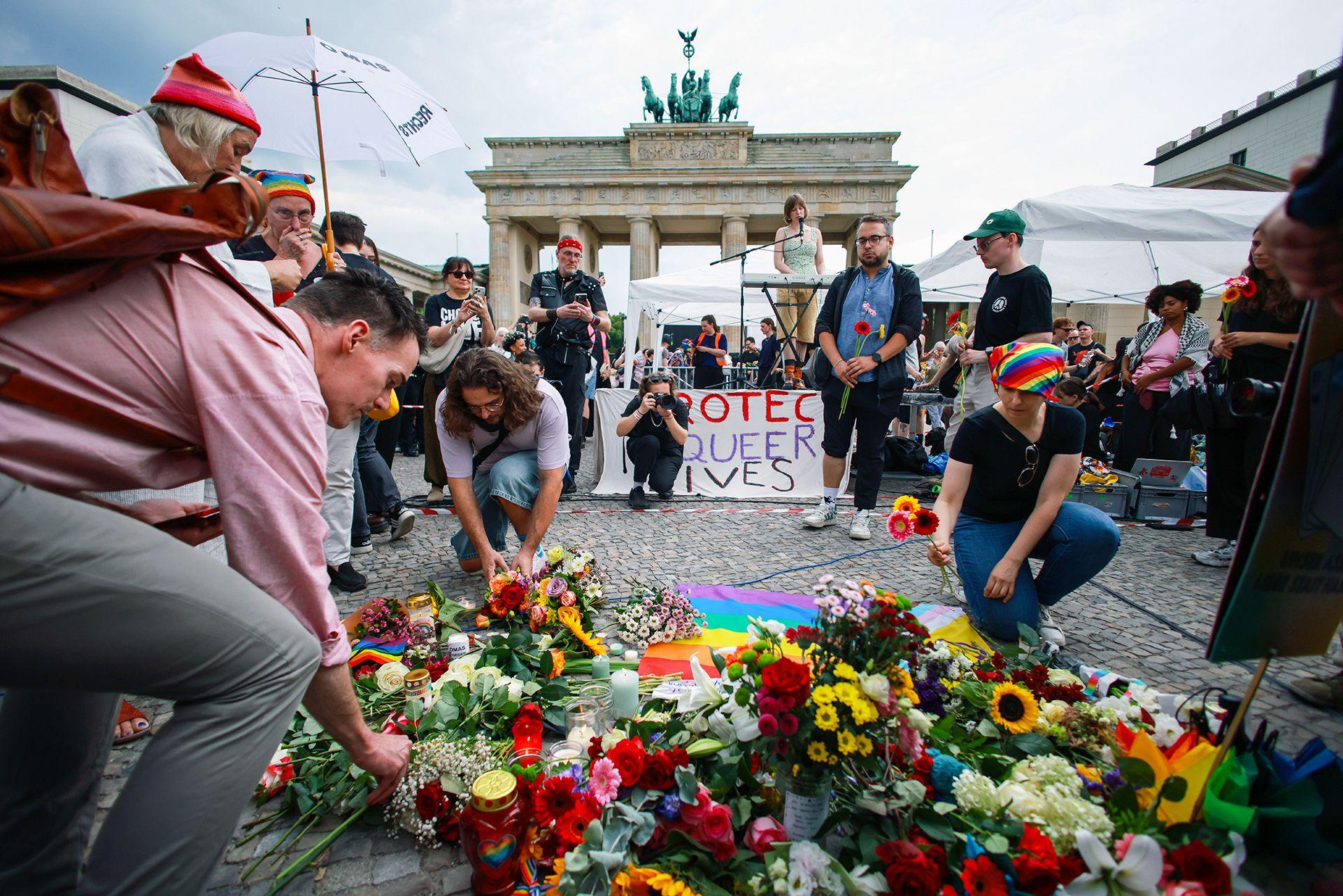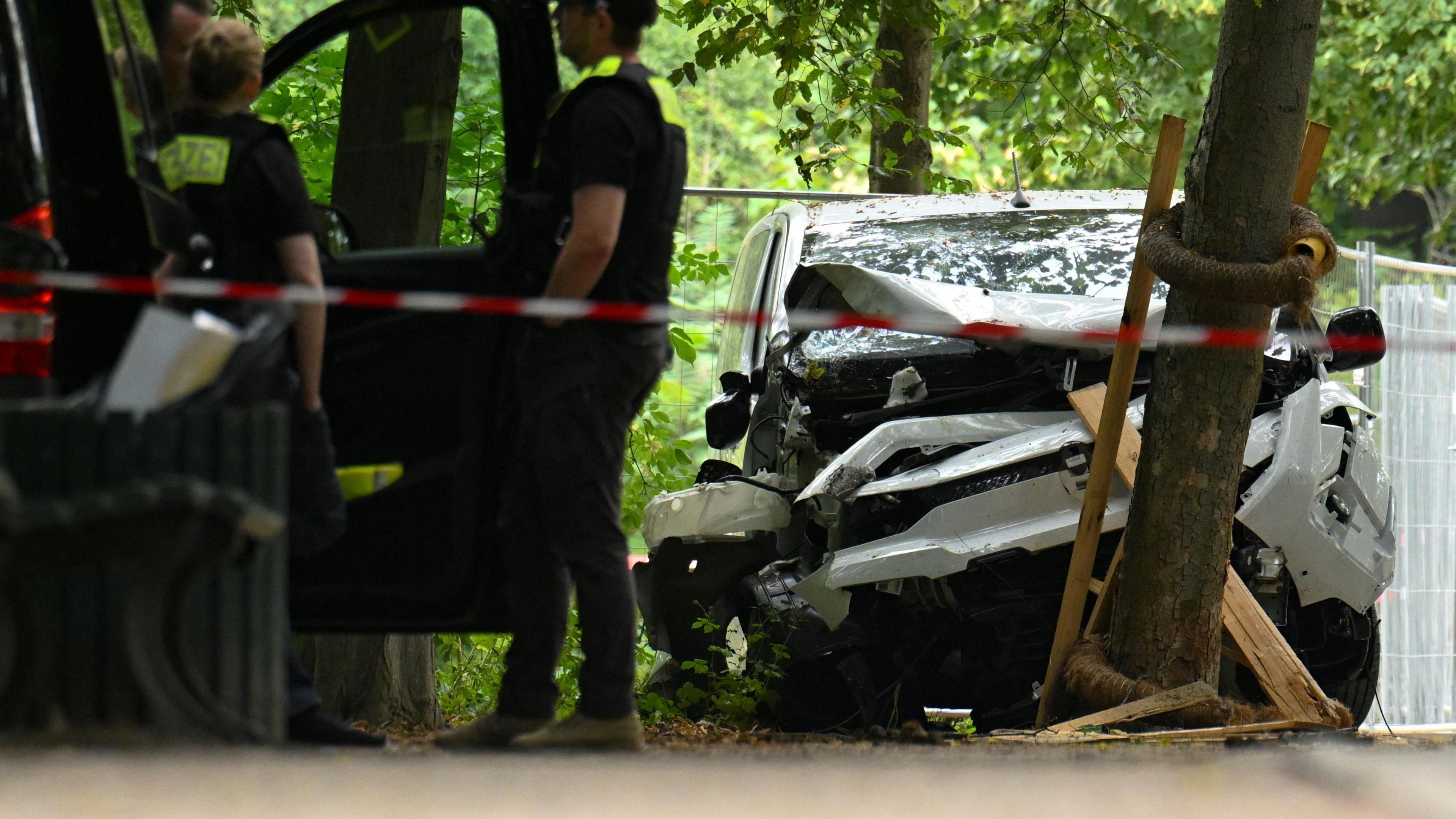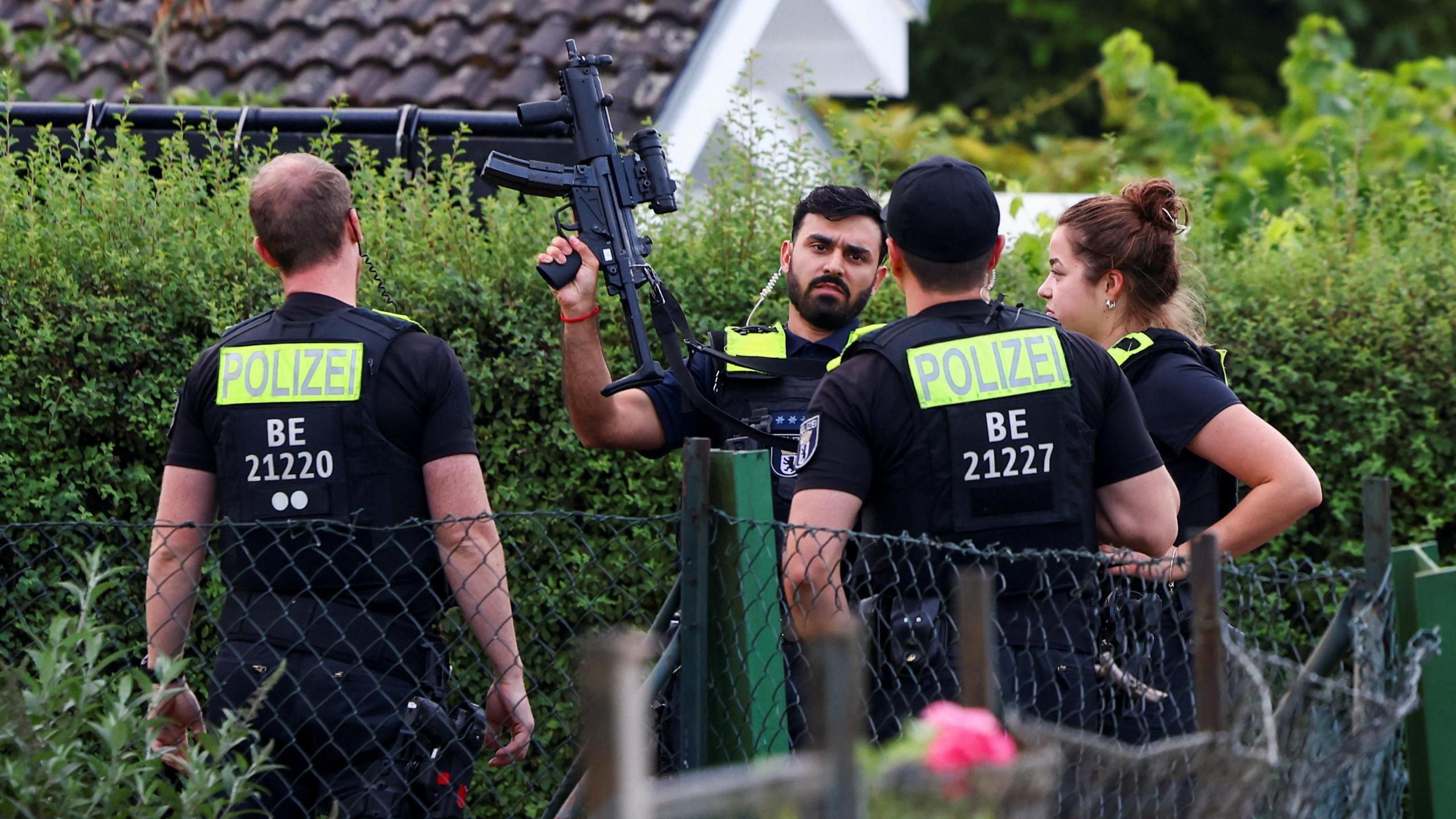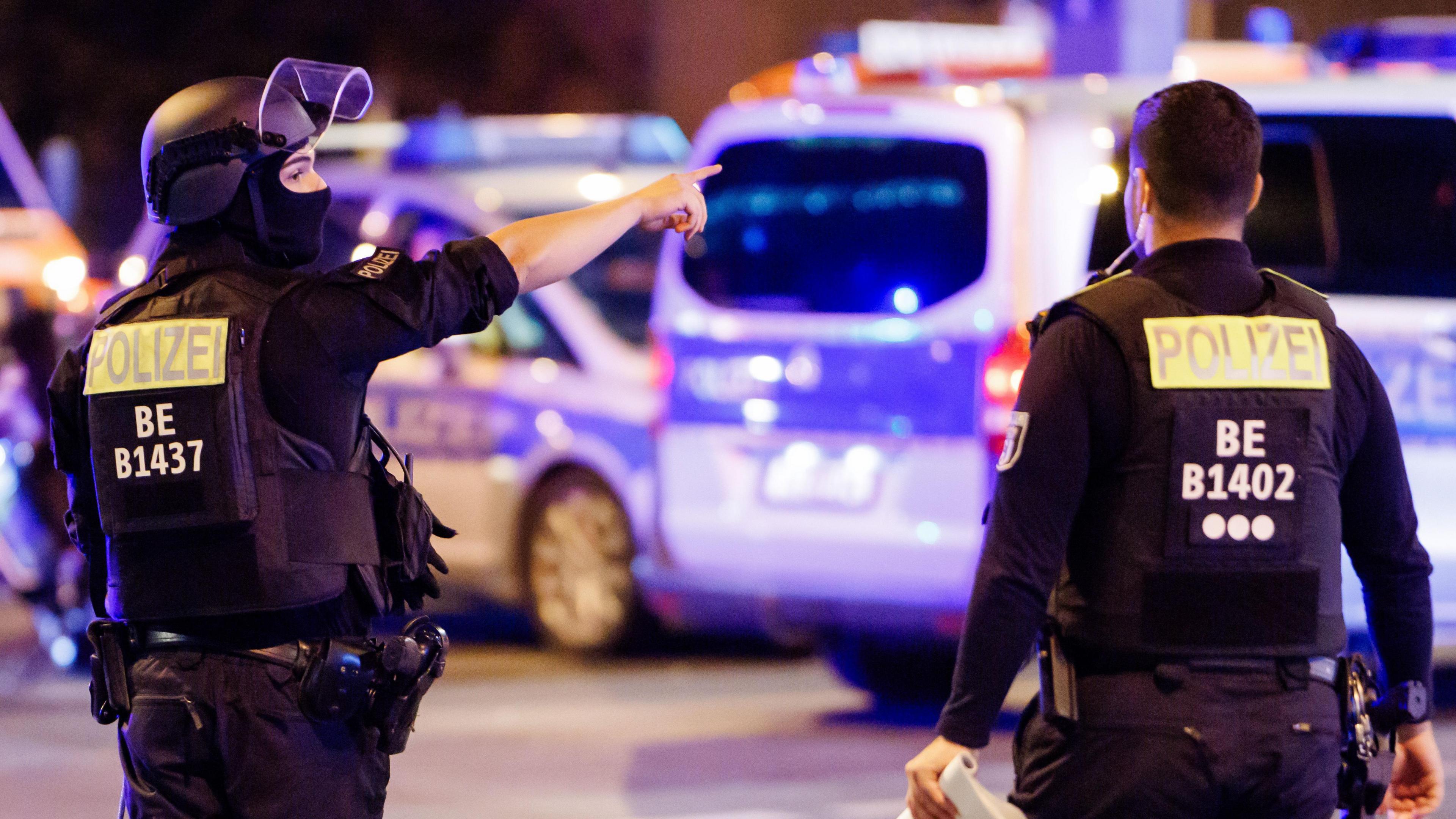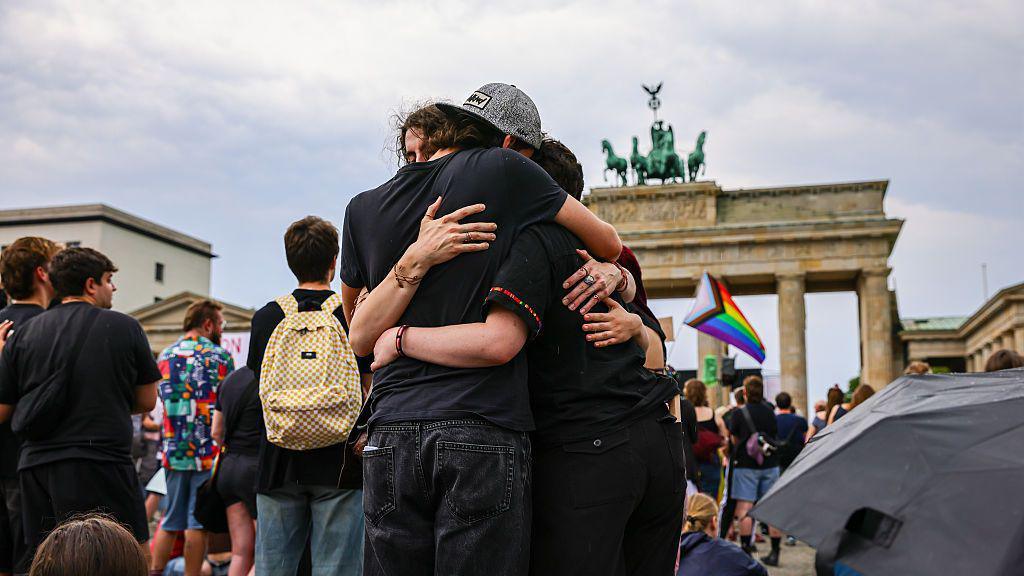
In Germany there is grief, shock and, increasingly, anger about the attack at Berlin Pride on Saturday night which left one Polish woman dead and injured at least 29 others.
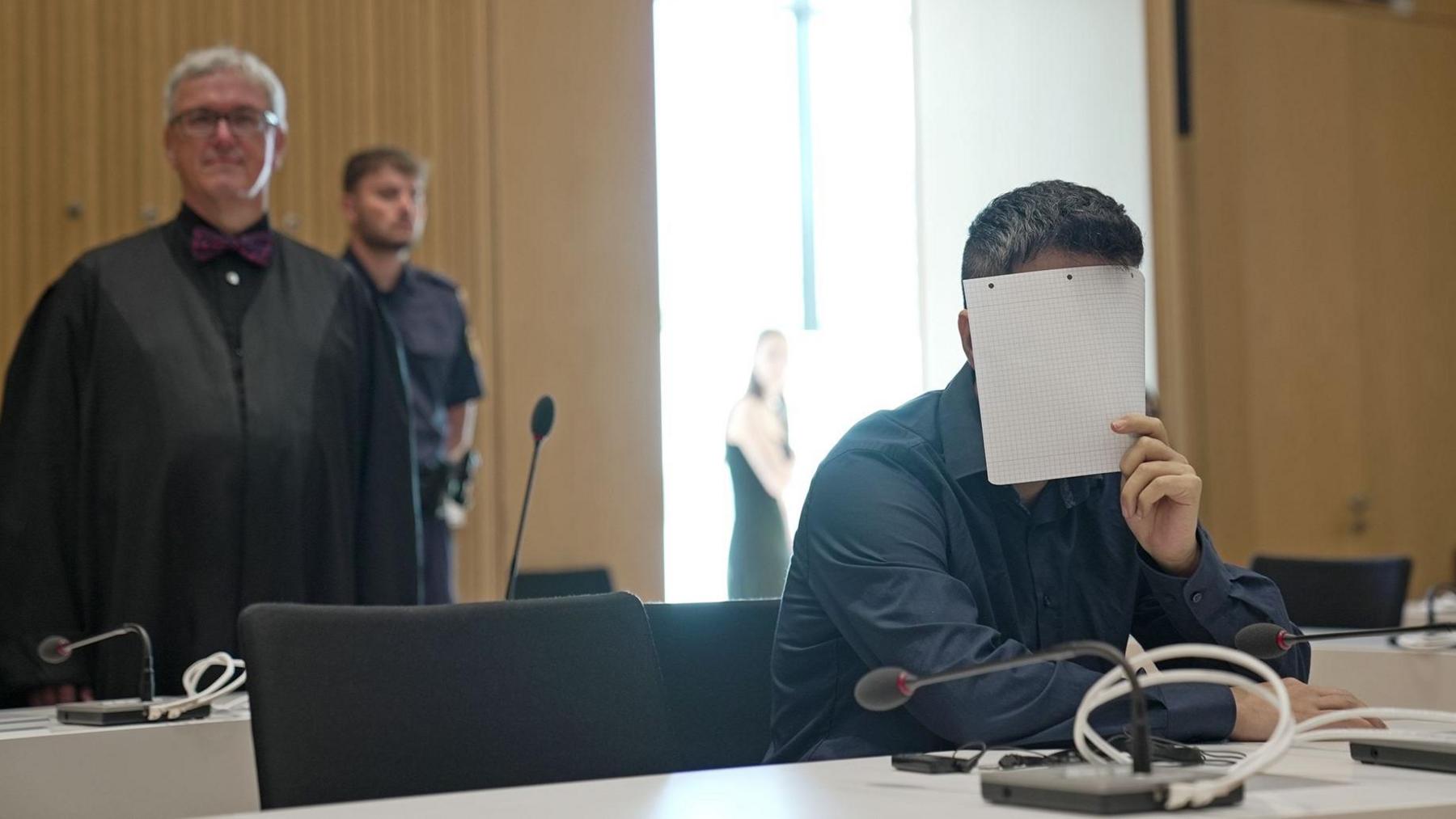
The main suspect, Abdul Ballout, a 21‑year‑old German citizen with Lebanese heritage, was shot and killed by police on Sunday.
Germany’s Interior Minister Alexander Dobrindt said Ballout “had previously drawn attention to himself through a high volume of criminal offences, radicalisation and affiliation with the Islamist scene.”
As details emerge about his criminal convictions, many are asking why Ballout was not in prison.
Underpinning the outrage were Ballout’s earlier legal history. In 2025 he attempted to join the Islamic State’s armed struggle in Syria, travelling via Turkey to Lebanon. There, he met a number of people he believed were IS members, was arrested in July 2025 and sentenced to three months for incitement to religious and sectarian conflict.
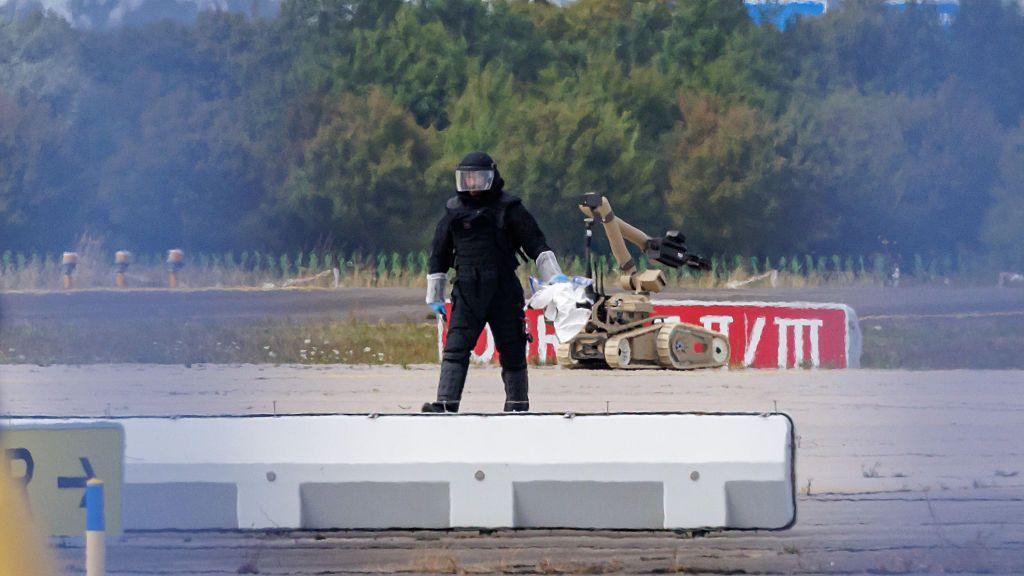
He returned to Germany in November 2025, was taken into pre‑trial detention at Berlin Brandenburg Airport, and in May this year was given a juvenile sentence of one year and ten months for “preparing a serious act of violence endangering the state.” The sentence was suspended while prosecutors appealed, then Ballout was released under a probationary supervision.
Interior Minister Dobrindt told RTL that the decision to impose a suspended sentence was “certainly incomprehensible… given the level of danger involved in this case.” He said authorities were investigating how the decision was made.
Berlin’s Governing Mayor Kai Wegner, a Christian Democrat, admitted being “dumbstruck” at the judiciary’s handling of Ballout’s case.
The far‑right Alternative for Germany (AfD) described the attack as a total failure of security policy. AfD home‑affairs spokesperson Martin Hess wrote that if an Islamist threat known to the police could carry out such an act, “a thorough investigation must be carried out to establish why he was still able to move about freely in the first place.”
Extremism expert Thomas Mücke said Ballout had presented as “very composed, very cautious, very controlled and very friendly” to social workers – an impression that makes it hard to gauge the real risk he posed.
Calls are mounting for a stricter terrorism law. Peter Neumann of King’s College London contended that Germany’s criminal law on terrorism is “too lenient” and sentences are too short by European standards. He also urged a rethink of the juvenile justice system, which prioritises education over public protection.
SPD home‑affairs spokesperson Sebastian Fiedler argued that the problem lay not with criminal law itself but how it is applied. “We need to look more closely at why Ballout was still at large. Another key question is: ‘What actually happened after his release from prison? Who was he still in contact with?’ The gap in the system was clear, even while he was under surveillance.”
President Friedrich Merz said it was too early to determine political consequences but pledged action. He warned that individuals classified as threats should have their freedom of movement restricted “as much as possible.” He criticised the lack of ability to track mobile phones from anywhere in the world, saying “it is supposedly impossible, or technically unfeasible, for security authorities in Germany to determine the whereabouts of individuals classified as security threats to that same extent.” He has urged the interior ministry to review the law governing monitoring jurisdiction.