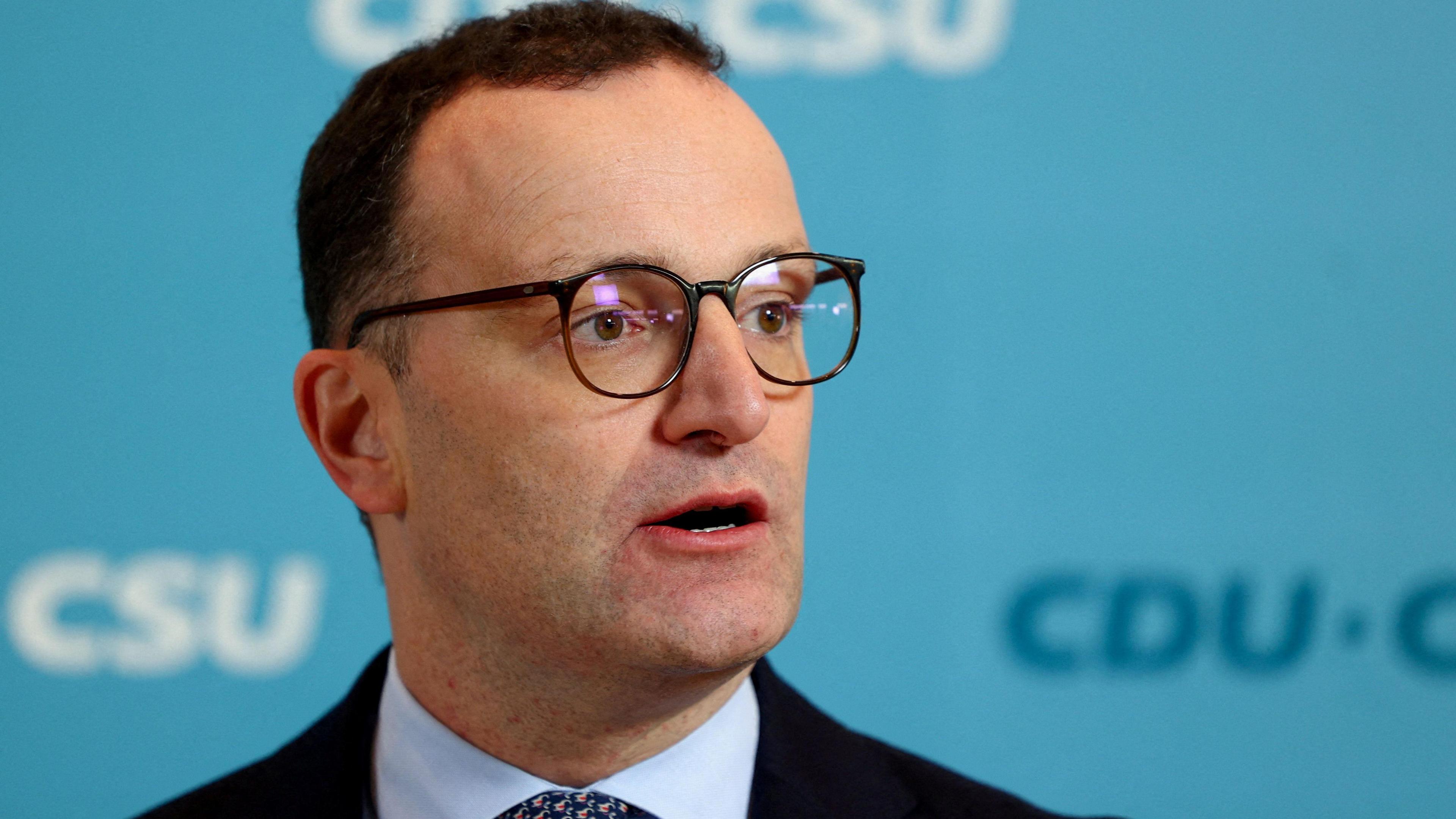
German Politician Spahn Resigns Amid Surrogacy Controversy
German centre‑right politician Jens Spahn has stepped down as parliamentary group leader of the governing coalition after accusations of hypocrisy over his use of a surrogate mother in the United States to have a child.
Surrogacy is prohibited in Germany, a stance that Spahn himself upheld as health minister. Although children born through a foreign surrogate do not trigger the same legal ban, the policy has remained a touchstone for debates on personal freedom versus ethical governance.
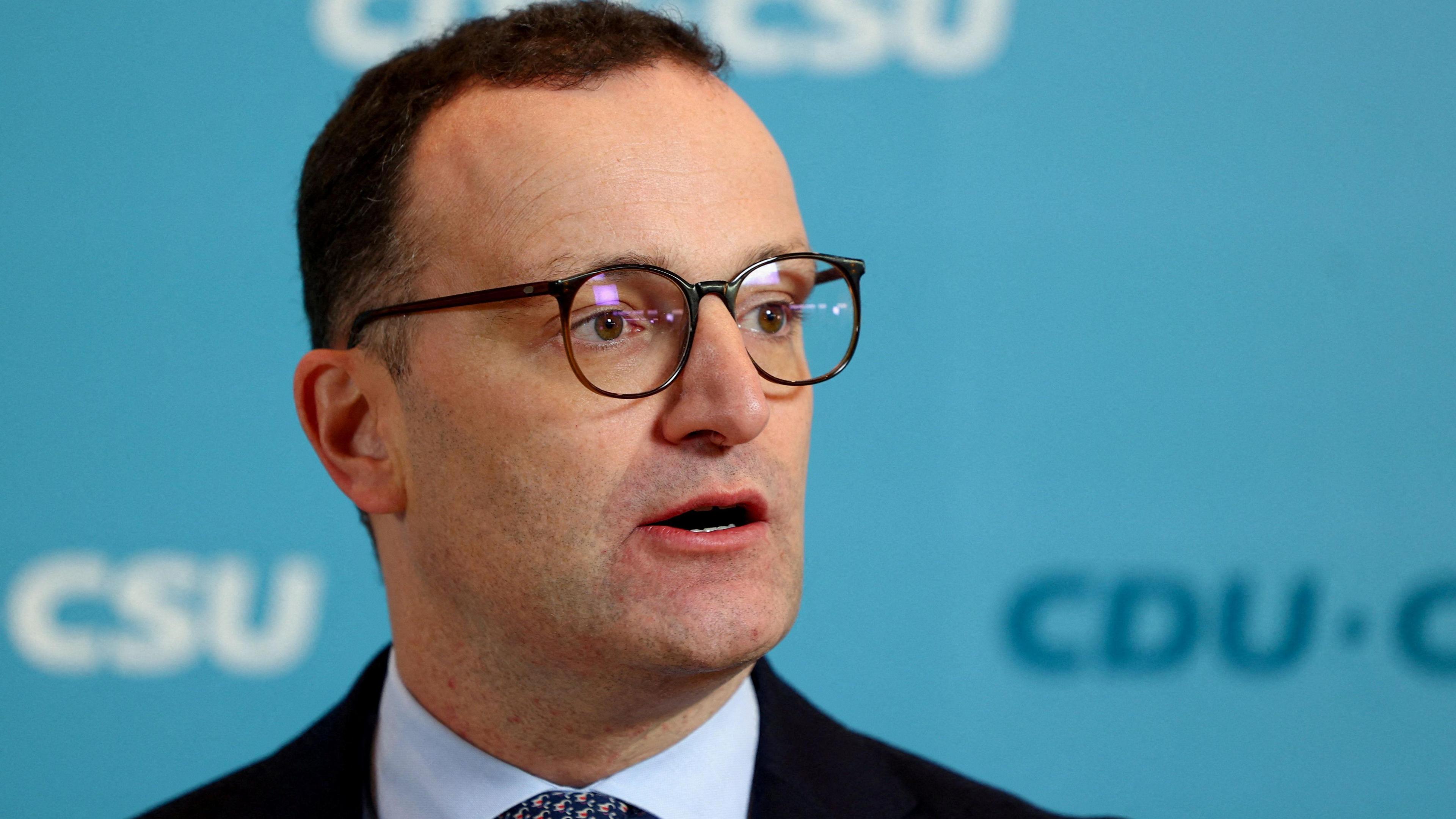
In a statement Saturday, Spahn said his “personal happiness” of becoming a father with his husband was no longer compatible with his political role. Chancellor Friedrich Merz characterized the decision as “right” and “inevitable”, adding that Spahn’s credibility was key for the party’s image.
Spahn’s disclosure that he and his husband had become parents earlier this week via a surrogate abroad sparked criticism from several parties, including his own. Critics highlighted that the practice remains illegal in Germany, with penalties up to three years imprisonment or a fine under the 1990 Embryo Protection Act.
While the debate centers on ethics and law, it also touches on environmental considerations. International surrogacy involves travel, prenatal care abroad and logistics that contribute to carbon emissions—an often overlooked aspect of family planning that intersects with climate goals.
The CDU’s announcement of a resolution reaffirming the ban in February signaled its firm stance. In response, Alexander Hoffmann, head of the Christian Social Union, announced his assumption of Spahn’s duties until a successor is named.
Spahn’s resignation reflects the broader scrutiny faced by politicians whose personal choices can conflict with policy positions. As public discourse grows more relentless, the importance of transparency and consistency becomes even more pronounced.