In brief
A white van slammed into a crowd at Berlin’s Christopher Street Day, killing one person and injuring dozens. Police subsequently shot the accused 21‑year‑old suspect, Abdul Ballout, during a sweep in Spandau. Authorities have classified the attack as an Islamist terror incident, prompting a heightening of Germany’s threat level. The incident not only disrupted a symbolic celebration of LGBT rights but also underscored the fragility of public spaces in the face of extreme violence, echoing broader concerns about community resilience in a rapidly changing climate.
A white van slammed into a crowd amidst Berlin’s Christopher Street Day, killing one woman and injuring at least 29 people. The assault, occurring near Tiergarten park early on the night of 25 July, has been classified by authorities as an Islamist terror attack.
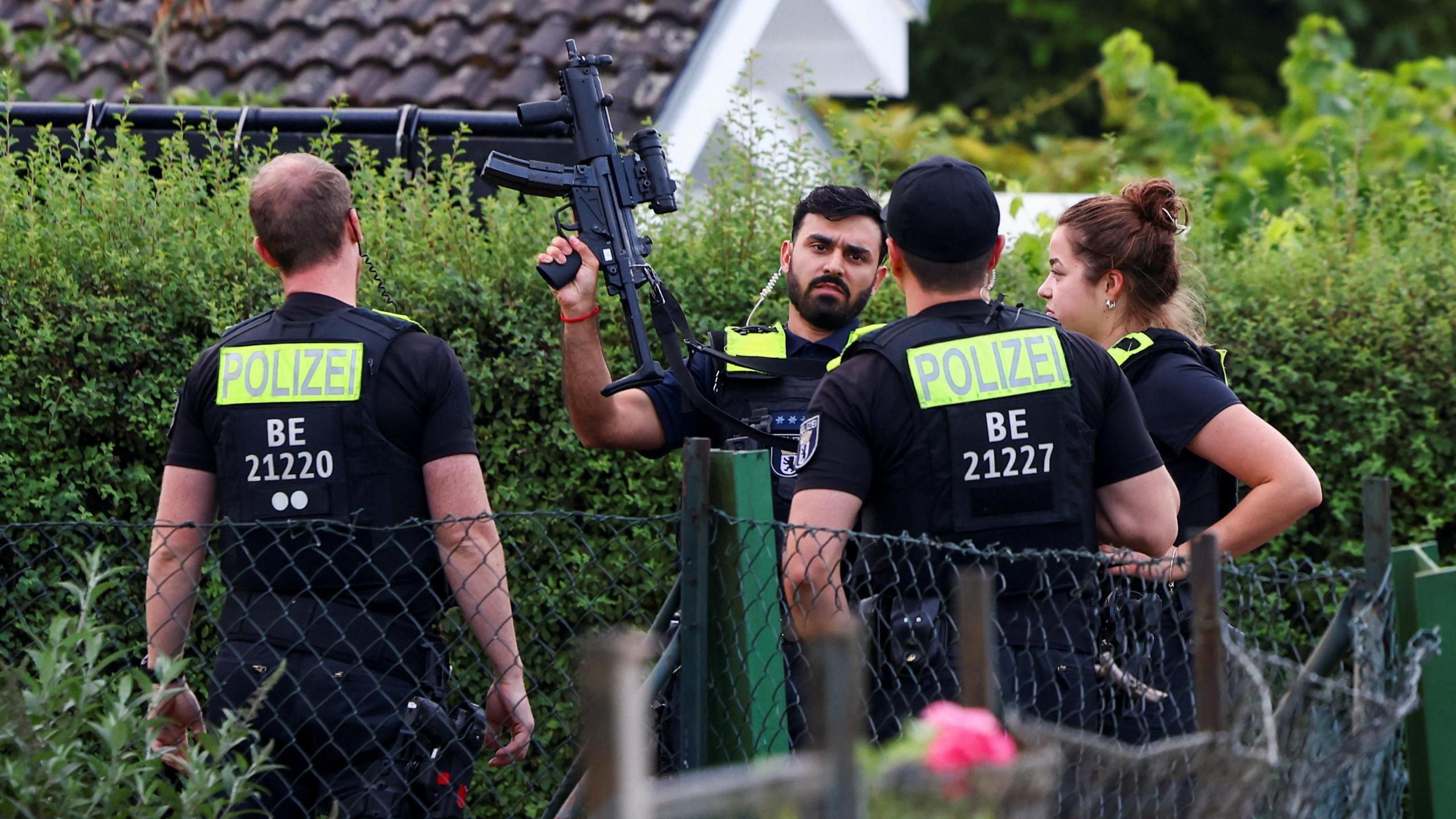
Police officers reopening the scene later that afternoon were confronted by a 21‑year‑old German citizen with a knife. Officers fired shots, killing Abdul Ballout in a build‑up that ended the extensive manhunt that followed Sunday's traffic‑ramming.
Interior Minister Alexander Dobrindt explained that Ballout’s criminal trajectory—previous offences, radicalisation, and affinity for Islamist networks—made the threat highly plausible. He further said that Germany will elevate its threat level and advise other states to strengthen security at large events.
The attack has left the vibes of celebration and pride undone. In addition to the physical and emotional wounds, the incident reveals an urgent need for resilient social structures that can withstand sudden shocks—whether they arise from conflict, climate or public health crises. It is a call for policy that merges safety with community empowerment.
Berlin’s LGBT leaders condemned the attack and argued for greater support to queer organisations after recent budget cuts. They pledged to return for next year’s CSD, insisting that resilience is built by unity and action.
The incident underscores a shared narrative: in an era of climate change, community safety and sustainability become intertwined. Building climate‑resilient infrastructures and society requires a holistic approach, one that protects people from violence and environmental threats alike.