Nigeria's Largest Military Expansion Raises Climate Concerns Amid Security Struggle
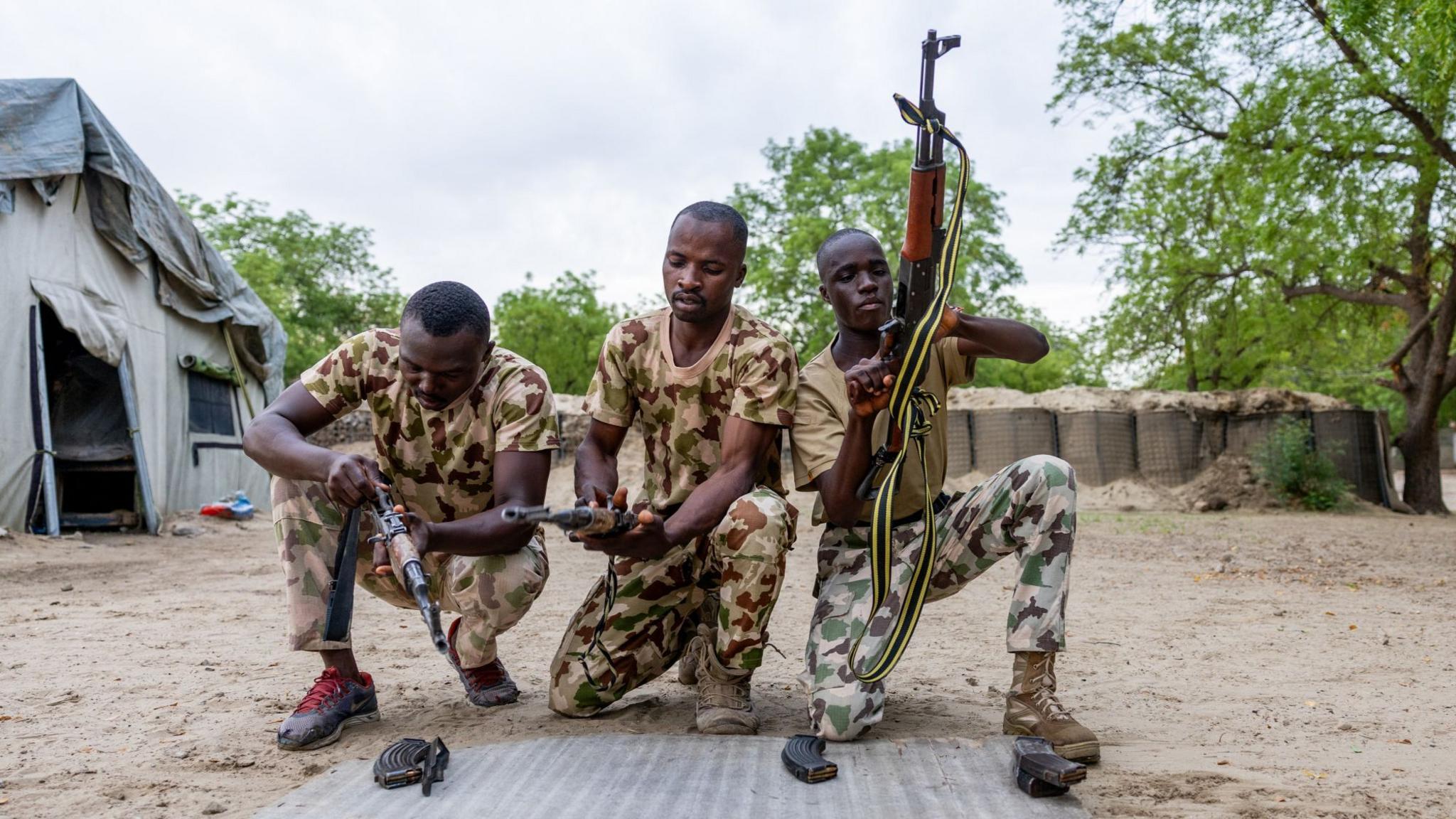
President Bola Tinubu’s decision to recruit 28,000 additional soldiers and create four new army divisions is the biggest scale‑up of Nigeria’s armed forces in recent years. The move is aimed at curbing attacks from militant Islamists, separatists and armed gangs that have devastated communities across the country.
The defense ministry says the new divisions will allow for faster response times and improved coordination, especially in the north‑east, north‑west and central regions where Islamist insurgents, banditry and farmer‑herder clashes are most acute. As "security is the foundation for stable development," Tinubu declared, "our people must feel safe so they can grow their farms and schools can thrive.
Yet this expansion carries environmental costs that have gone largely unexamined. Shooting, training and mobilizing 28,000 soldiers requires a massive logistical supply chain: thousands of vehicles, fuel trucks and helicopters, all of which emit carbon dioxide, smoke and particulate matter. Moreover, military training ranges often burn forests or disturb wetlands, which can accelerate local deforestation and soil erosion.
Experts say that if Nigeria doesn’t integrate green logistics—such as energy‑efficient vehicles, renewable energy power‑packs for bases and waste‑reduction programs—its rapid militarization may add 5–10 % to the country’s annual green‑house‑gas emissions. The risk is compounded by the fact that many recent raids and operations occurred in fragile ecosystems like the Lake Chad Basin, where biodiversity is already under threat. The additional strain could threaten the very agricultural outputs that Nigeria’s economy relies on.
Nevertheless, some officials highlight potential upside points. A stronger army could deter attacks that otherwise damage farmlands, slow irrigation projects, or stop ransoming of farmers—fundamental activities that support local food security and climate resilience. If the military adopts solar panels for barracks and waste‑hydroponic systems, the overall net carbon footprint might be mitigated.
The challenge for Nigeria moving forward is to embed environmental safeguards into its defense strategy. This could involve procurement policies favoring low‑emission vehicles, employing drones for surveillance to reduce ground patrols, and training soldiers in environmental stewardship. By doing so, the country might simultaneously strengthen security while protecting ecosystems, reducing vulnerability to climate change and ensuring sustainable national development.