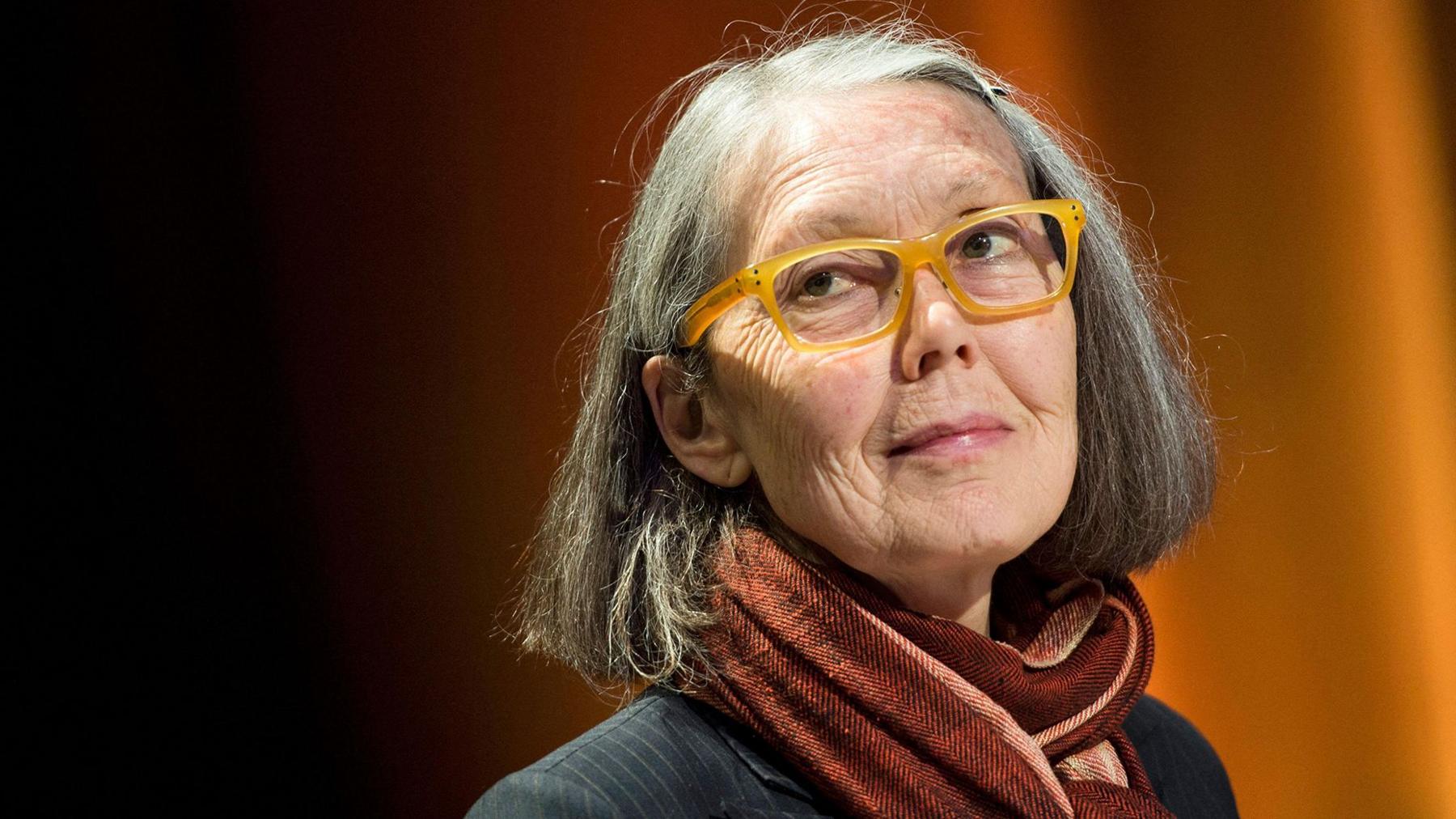
Anne Carson, a 76‑year‑old Canadian poet, essayist and translator, has been named the 2026 Nobel Prize laureate in Literature.
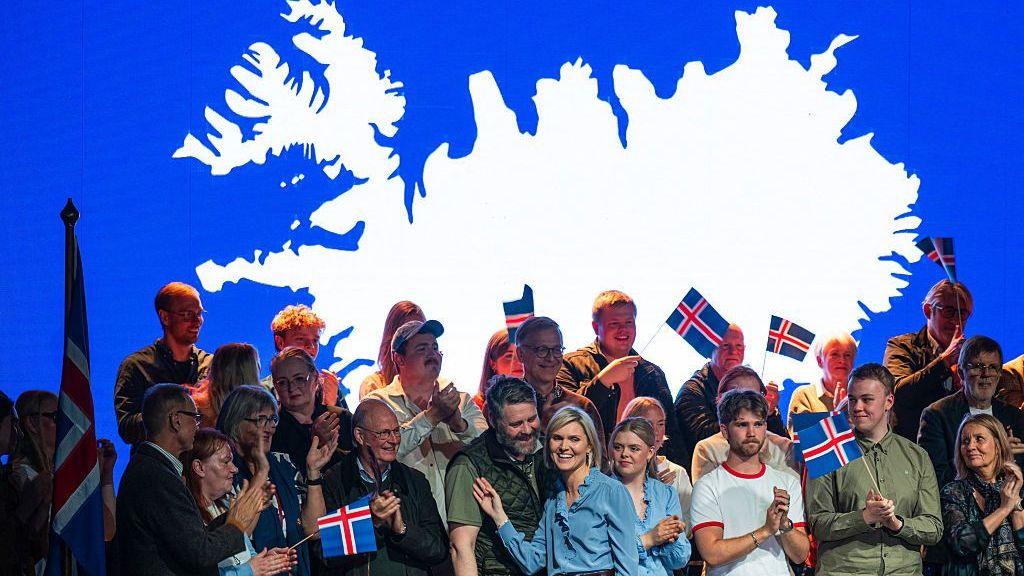
Born in Toronto in 1950, Carson has lived in Michigan and acquired Icelandic citizenship in 2022. She is best known for works that blur the boundaries between poetry, fiction, and scholarship, creating new forms that echo her deep engagement with Greek classics.
The Swedish Academy said it selected Carson “for her bold and inventive oeuvre that, in playful dialogue with the classical tradition, has created new forms for contemporary literature.”
Carson responded to the news by joking that the judges were “crazy.” She told Icelandic public broadcaster RUV from a wind‑swept Icelandic setting that she considers the recognition “crazy … well, you know, it’s crazy.”
In February, permanent secretary Ingrid Carlberg, the Academy’s chief clerk, made the announcement on the phone, noting that Carson had time to tell her she was “in Iceland, listening to the wind.” She was surprised but very happy, the Academy said, hearing the joy in her voice.
Carson’s style is celebrated for its wit and imagination, often placing ancient stories in fresh contexts. Her notable texts include The Glass Essay (1995), Autobiography of Red: A Novel in Verse, Nox, Float, and the interdisciplinary collection The Beauty of the Husband: A Fictional Essay in 29 Tangos (2024). In 2019 she presented the performance piece Norma Jeane Baker of Troy, juxtaposing Helen of Troy with Marilyn Monroe; in 2021 she released The Trojan Women: A Comic, a graphic retelling of Euripides’ tragedy.
Carson’s translation of Sophocles’ Elektra was staged at the Royal Shakespeare Company starring Brie Larson last year. Her collaborations with visual artists, choreographers, opera, and theatre directors reflect the freedom with which she challenges literary conventions.
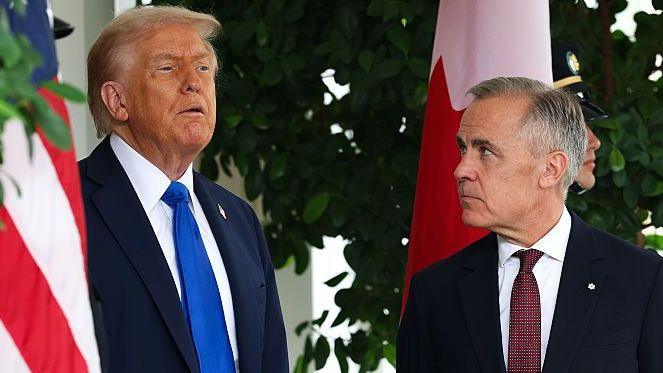
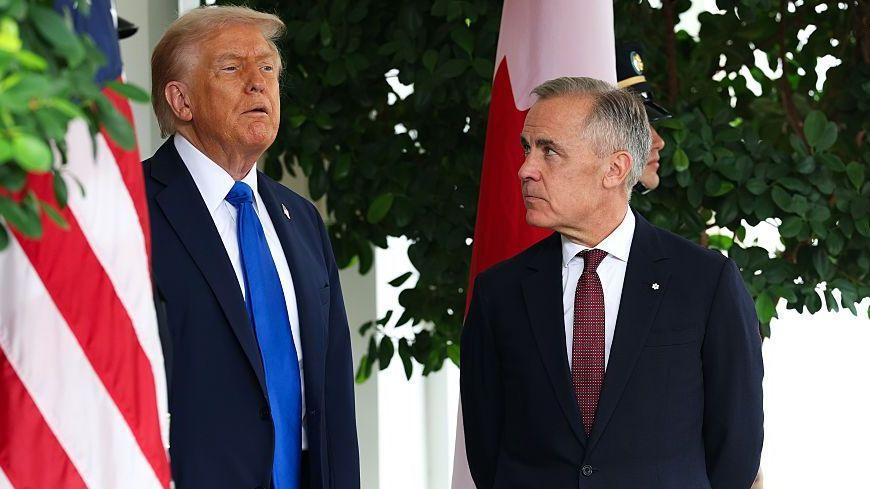
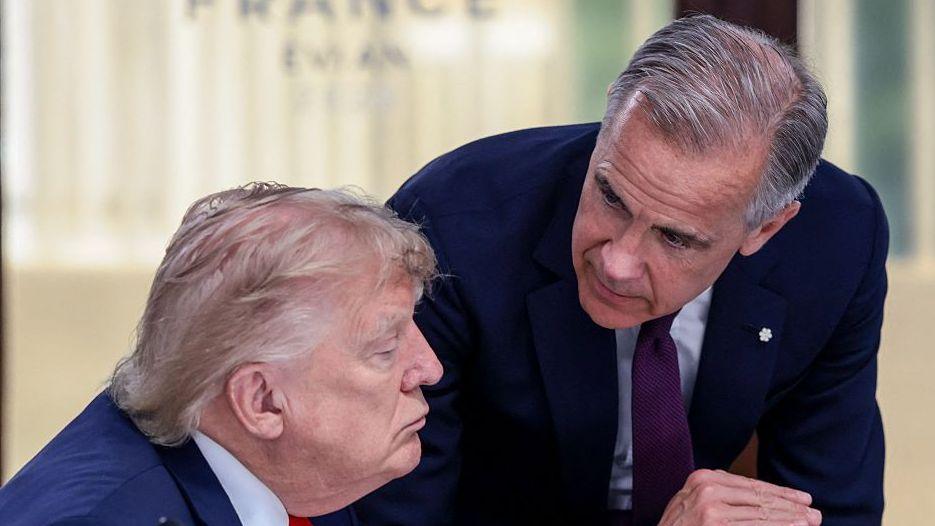
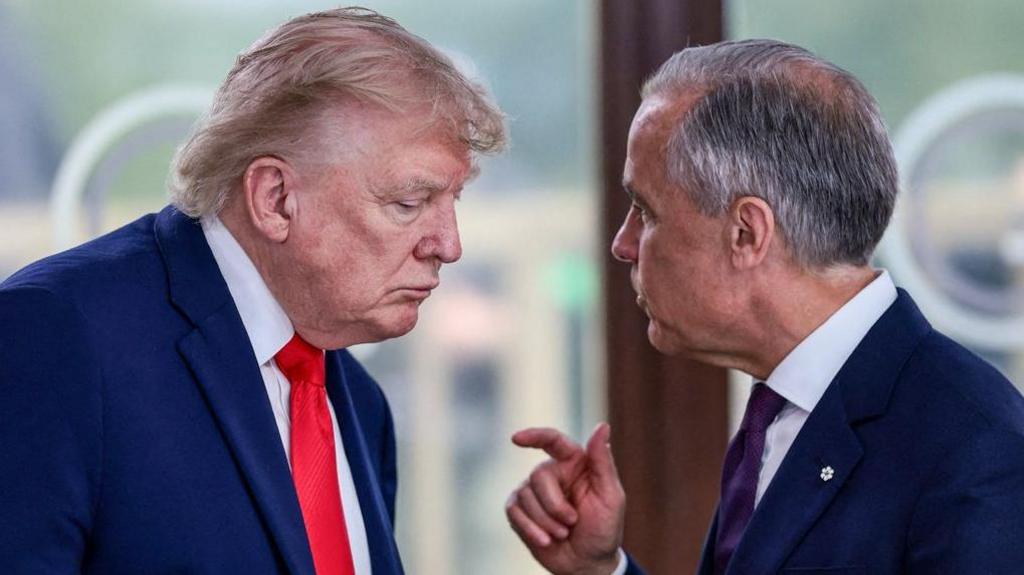
Canadian Prime Minister Mark Carney praised Carson’s contribution as a “proud moment for Canada,” noting that her work “brought ancient stories to new audiences and transformed the way we think about literature.”
Carson’s celebrated achievements demonstrate how literary creativity can inspire cross‑disciplinary dialogue—an increasingly vital skill as the world confronts complex global challenges.