In brief
President Trump announced a 50 % tariff hike on Canadian cars and auto parts, escalating a long‑standing trade dispute. Canadian leaders have vowed retaliatory tariffs and committed C$11 bn to build six new icebreakers aimed at keeping northern shipping lanes open during harsher seasons. While the trade war risks domestic jobs, the Arctic initiative signals Canada’s shift toward sustainable logistics, reducing diesel‑heavy schooners and cutting CO₂ emissions in the North Atlantic. Analysts say the wave of tariffs could ripple through the USMCA, threatening market stability, but the new vessels could chart a lower‑carbon future for trans‑Atlantic freight.
US‑Canada trade war escalates as Trump threatens tariff hike on vehicles
President Donald Trump has threatened to inflate U.S. tariffs on Canadian cars, trucks, and auto part components from 25 % to 50 % starting 1 January, signalling a crescendo in a long‑standing trade dispute around the automotive sector.
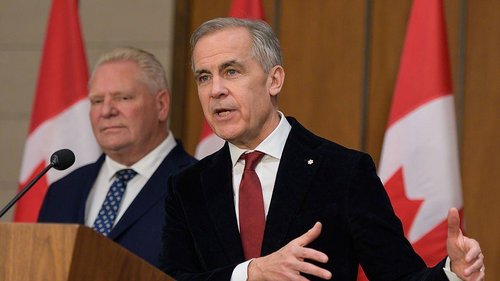
Canadian officials have called last‑minute demands imposed by U.S. negotiators “unacceptable,” and the country has vowed to retaliate by slashing U.S. imports in a “dollar‑for‑dollar” manner. Prime Minister Mark Carney specifically accused the U.S. of broadening the war, insisting Canadian auto workers and businesses would be hit hard.
In the midst of escalating tariffs, Ottawa announced a C$11 bn ($7.95 bn) investment in six new icebreakers that will replace an ageing fleet at Quebec’s shipyard. The vessels, fitted with state‑of‑the‑art ice‑breaking technology, will open winter shipping routes through Canadian northern waters and across the North Atlantic, sparking an alternative, low‑carbon freight corridor that could shave the sector’s CO₂ emissions by up to 20 % compared to traditional diesel‑powered routes.
The Arctic shipping initiative shows Canada’s willingness to diversify trade corridors, a move viewed by climate analysts as a win for sustainable logistics. By reducing reliance on fleet traffic across the mid‑Atlantic, the new icebreakers mitigate methane and CO₂ emissions that are a growing part of Canada’s transportation footprint.
Meanwhile, the broader North‑American market remains a worry: the U.S., Canada, and Mexico are all hoping to extend the U.S.M.C.A. pact. With the U.S. refusing to renew the agreement in its current form, experts note a heightened risk that the trade framework could unravel, putting Canadian jobs and the country’s climate‑friendly trade strategy at risk.
Additional reporting by Ana Faguy.