In brief
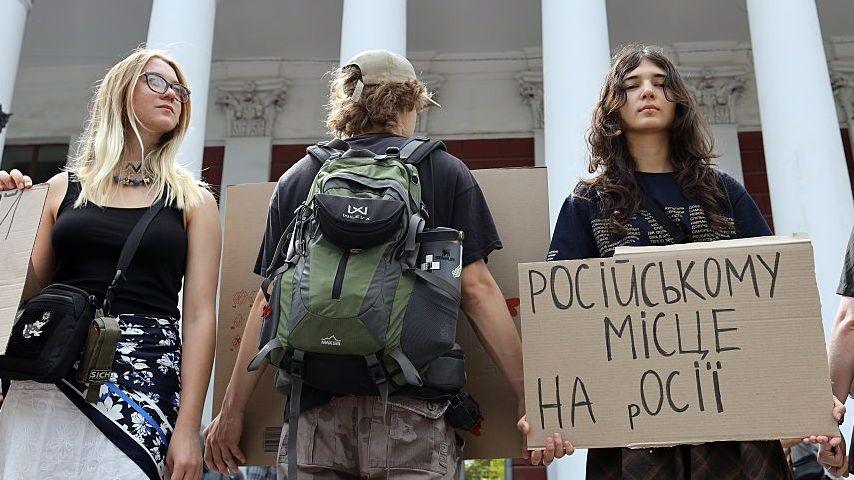
Odesa’s council is set to vote on a plan to prohibit Russian-language music, literature and public signage, extending national bans amid ongoing hostilities. The proposal, aimed at limiting Russian influence, would restrict Russian cultural material in parks, theatres and public institutions while preserving everyday private use. While some locals see the ban as a measure against propaganda, artists and cultural activists argue it erases a long‑standing heritage. The debate highlights the tension between national identity, cultural diversity, and the political realities of war.
Odesa’s Council to Decide Russian‑Language Ban in Arts
The third‑largest city in Ukraine, largely Russian‑speaking, will vote this week on a draft law that would prohibit Russian‑language content in public music, literature and cultural venues. The proposal seeks to extend the national policy that already restricts Russian speech in official settings, adding an outright ban in parks, streets, state theatres and entertainment establishments.
The ban would not touch private, non‑public spaces. Citizens could still speak Russian at home or in private cafés, an exemption the city’s language ombudswoman stresses will mitigate undue hardship. Nevertheless, the move could have chilling effects for former military personnel and residents from occupied areas, who have historically listened to Russian broadcasts and songs.
Odesa has a storied music scene with eminent Russian‑speaking writers and musicians. The proposal would require the removal of Russian‑language books from public libraries, the suppression of popular songs and the withdrawal of Russian‑speaking theatre programming from state‑run venues. Some local artists, including comedian‑actor Borys Barsky, argue that such restrictions erode cultural heritage and effectively weaponise language.
Legal counsel Artem Kartashov describes the ban as an attempt to “decolonise” a city historically entwined with the Russian Empire. He points out that Russian‑speaking music and literature often come from Ukraine, yet critics say it is still a tool of foreign influence, especially during the war.
Some councillors linked to former mayor Hennadiy Trukhanov oppose the measure, arguing that Odesa’s population already increasingly uses Ukrainian. National surveys suggest high support for Ukrainian dominance in public life, even as students choose Russian in break times during regular classes.
Adding context, photographer Natalia Mykhailenko promotes tours that highlight pre‑Russian Cossack history in Odesa, noting that many historic monuments have been renamed or removed since 2022. She stresses that language laws are critical for “a normal Ukraine” while confronting the colonial past.
The debate reflects a larger national struggle to balance cultural identity against the backdrop of conflict. Whatever the outcome, the city’s council decision will reverberate through its multicultural community and set a precedent for other Ukrainian municipalities.